Physical Address
304 North Cardinal St.
Dorchester Center, MA 02124
Physical Address
304 North Cardinal St.
Dorchester Center, MA 02124


Gut health is one of those topics that sounds trendy until you connect the dots in your own life.
Bloating that comes out of nowhere. Energy dips after meals. Skin that flares for no obvious reason. Random food sensitivities. Even mood changes that feel disconnected from what you ate.
A lot of that traces back to your gut, specifically your microbiome: the trillions of bacteria (plus some fungi and viruses) living in your digestive tract. When that ecosystem is diverse and well-fed, it supports digestion, immune function, metabolism, and even brain signaling through the gut-brain axis.
When it is depleted or irritated, you feel it.
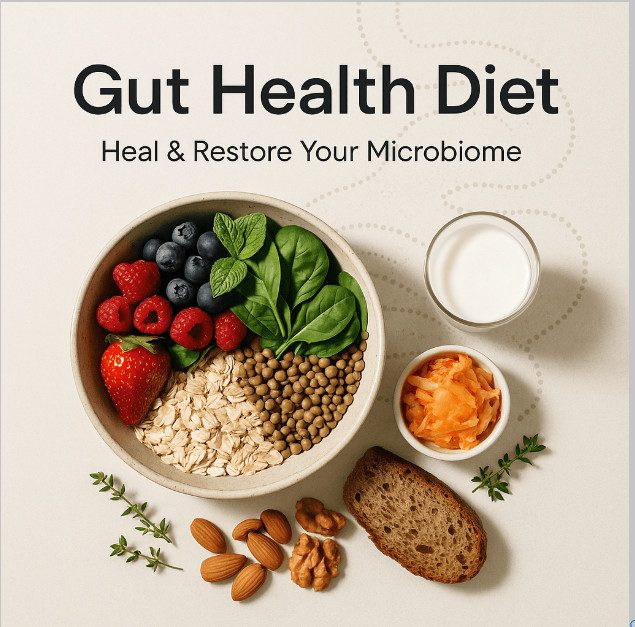
This guide breaks down the best diet for gut health in a practical, food-first way: what to eat, what to reduce, and how to build meals that help your microbiome recover and thrive.
A healthy gut is not about having “more bacteria.” It is about having the right mix of microbes, plus a strong gut lining and balanced digestion.
Here are a few markers that often improve when your gut is in a good place:
Your diet is the biggest daily lever you can pull to influence all of that, because your microbes eat what you eat. Feed the good ones consistently, and they grow. Starve them, and less helpful species tend to take over.
If you only remember a few things, make it these:
You do not need a perfect diet. You need a consistent one.
Fiber is not just for “regularity.” Many fibers are prebiotics, meaning they feed beneficial bacteria that produce short-chain fatty acids like butyrate. Those compounds help maintain the gut barrier and calm inflammation.
Aim for a mix across the week:
If you are currently low-fiber, increase gradually to avoid gas. Your gut needs time to adapt.

Fermented foods can introduce beneficial microbes and support digestion through acids and enzymes. They are not magic on their own, but they can be a powerful add-on when eaten consistently.
Good options include:
Start small, especially if you have bloating: 1 to 2 tablespoons of sauerkraut, or half a cup of yogurt, then build.
Some foods are especially good at feeding the microbes you want more of.
Try including several of these each week:
If onion and garlic bother you, you can still build a healthy gut. Use what you tolerate and focus on overall plant variety.
Polyphenols are plant compounds that help reduce inflammation and support beneficial bacteria. Think of them as fertilizer for a healthier gut ecosystem.
Top sources:
Even small daily doses help, like a cup of green tea or a handful of berries.
Omega-3s can support gut barrier function and reduce inflammation, which matters if your gut is irritated.
Good sources:
If you rarely eat fish, aim for 2 servings per week, and add chia or flax several times weekly.
Your gut lining is constantly renewing itself. For that, it needs protein, zinc, iron, vitamin A, and more.
Helpful foods:
You do not need a “gut healing supplement stack” to support the gut lining. Most of it comes from solid nutrition.
If you are dealing with irritation, reflux, or post-antibiotic sensitivity, these are often easier on digestion:
These help you maintain nutrition while you work back toward more variety.

You do not have to eliminate these forever, but reducing them for a few weeks often makes a noticeable difference.
These tend to be low in fiber and high in additives, refined starches, and industrial oils. They can crowd out the foods your microbiome needs.
Examples: packaged snacks, fast food, sugary cereals, frozen “ready meals,” processed meats.
Added sugar can encourage an imbalance in gut bacteria and worsen cravings. Focus on reducing sweet drinks, desserts, and “healthy” bars that are basically candy.
Alcohol can irritate the gut lining and disrupt microbial balance. If gut healing is the priority, keep alcohol occasional.
Some people with IBS-like symptoms notice triggers from certain additives found in processed foods. The simplest approach is to eat more whole foods, not to obsess over labels.
If you want a framework that consistently performs well in research and real life, it is this:
It is naturally high in:
You can adapt it to your culture and preferences. The gut does not care if your fiber comes from lentil soup, rajma, or black bean tacos. It cares about diversity and consistency.
Use this for lunch and dinner most days:
This structure naturally builds microbiome support without complicated rules.
If you like goals you can actually track, use this list:
That “30 plants” idea is popular for a reason. It pushes diversity, and diversity is one of the strongest predictors of a resilient microbiome.
This is where most generic gut-health advice fails, because telling someone with active symptoms to “eat more beans and broccoli” can backfire in the short term.
A more workable approach:
If symptoms are severe, persistent, or include weight loss, blood in stool, anemia, or night-time symptoms, it is worth seeing a clinician to rule out conditions like IBD, celiac disease, or infections.
Breakfast
Lunch
Snack
Dinner
You can mix and match endlessly as long as the structure stays microbiome-friendly.
Sometimes probiotics help, sometimes they do nothing, and sometimes they worsen symptoms. Food and fiber are the long-term foundation because they shape the ecosystem. Supplements are optional.
Not true. Some people feel better reducing them, especially with intolerance, celiac disease, or lactose issues. But if you tolerate yogurt or kefir well, they can actually support gut health.
Fiber is still the goal, but type and dose matter. If you are symptomatic, build gradually and prioritize what you tolerate.
The best diet for gut health is not a cleanse, a strict elimination plan, or a single “superfood.”
It is a consistent way of eating that builds microbial diversity and reduces irritation:
If you want one simple place to start this week, aim for two changes: add one fermented food you tolerate, and add one extra plant food per day. Your microbiome responds to what you do consistently, not what you do perfectly.
Gut health refers to having the right mix of microbes in your digestive tract, along with a strong gut lining and balanced digestion. A healthy gut supports digestion, immune function, metabolism, and brain signaling through the gut-brain axis. When your gut ecosystem is diverse and well-fed, you experience regular bowel movements, less bloating, better food tolerance, stable energy, improved skin, and mood resilience.
Your diet is the biggest daily lever to influence your gut microbiome because the microbes eat what you eat. Feeding beneficial bacteria consistently with fiber-rich plants, fermented foods, polyphenols, and supportive nutrients helps them thrive. Conversely, starving good microbes by eating ultra-processed foods, excess alcohol, or too much added sugar can lead to an imbalanced gut ecosystem.
The core principles include: 1) Prioritize fiber diversity by eating many different plants weekly to feed various microbes; 2) Add fermented foods like yogurt and sauerkraut to support microbial balance; 3) Eat enough polyphenols from plant compounds that beneficial bacteria love; 4) Support the gut lining with protein, omega-3s, minerals, and soothing foods; 5) Reduce common irritants such as ultra-processed foods, excess alcohol, and added sugars. Consistency matters more than perfection.
High-fiber plant foods fuel your microbiome by providing prebiotic fibers that beneficial bacteria ferment into anti-inflammatory compounds like butyrate. Aim to include beans and lentils (chickpeas, black beans), whole grains (oats, barley), vegetables (leafy greens, broccoli), fruits (berries, apples), and seeds (chia, flax) across your week. Increase fiber gradually if currently low to avoid gas while your gut adapts.
Fermented foods introduce beneficial microbes and support digestion through acids and enzymes. They help maintain microbial balance when eaten consistently but aren’t a magic cure alone. Good options include unsweetened yogurt with live cultures, kefir, sauerkraut (unpasteurized), kimchi, miso, tempeh, and traditional fermented pickles. Start small if you have bloating issues to allow your system to adjust.
Prebiotic star foods especially nourish beneficial microbes in your gut. These include onion and garlic, leeks and scallions, asparagus, slightly green bananas, cooked-and-cooled potatoes or rice (resistant starch), oats, apples, and chicory root often found in teas or coffee substitutes. If some cause discomfort like onion or garlic do for some people, focus on overall plant variety using what you tolerate well.