Best probiotic supplement for gut health

Best Probiotics & Supplements for Gut Health (Complete Guide 2026)

Solidhealthinfo.com image

Gut health has become one of those topics that shows up everywhere, and for good reason. Your gut does a lot more than “digest food.” It helps you absorb nutrients, supports your immune system, produces important compounds (like short-chain fatty acids), and communicates with your brain through nerves, hormones, and immune signals.

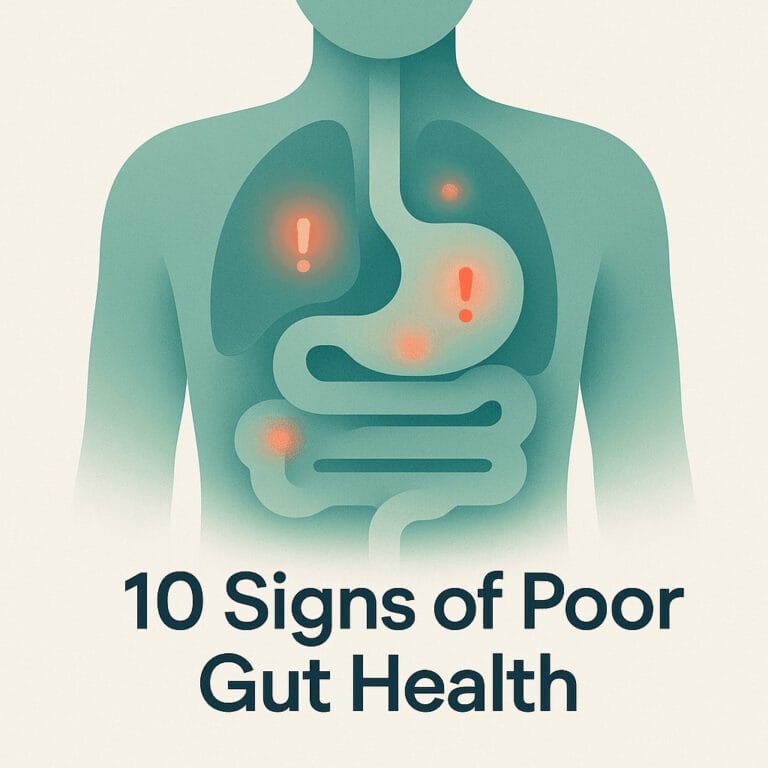
But if you have bloating, irregular stools, food sensitivities, reflux, frequent antibiotics, stress, or you just feel “off,” it’s natural to wonder:

Which probiotics and supplements actually help, and which are mostly marketing?

This guide walks you through the probiotics and gut supplements that are most useful in 2026, how to choose them, and how to use them safely.

Important note: Supplements can be helpful, but they are not a substitute for diagnosing real GI conditions. If you have blood in stool, unexplained weight loss, persistent severe pain, anemia, fever, or night symptoms, get medical care.

Table of Contents

What “gut health” actually means

Most people are really talking about one (or more) of these:

  1. Balanced microbiome (diverse, resilient gut bacteria and helpful microbes)
  2. Healthy digestion and motility (normal stool frequency and form)
  3. Strong gut barrier (proper mucus layer, tight junctions, lower gut inflammation)
  4. Low GI symptoms (less bloating, gas, pain, reflux, constipation, or diarrhea)
  5. Good immune tolerance (fewer food reactions, less chronic inflammation)

Different supplements target different buckets. That is why “best probiotic” is not one product for everyone.

A quick “best of” shortlist (so you can pick fast)

If you want a simple starting point, here are evidence-backed categories:

  • For antibiotic-associated diarrhea: Saccharomyces boulardii (specific yeast probiotic)
  • For IBS (bloating/pain): certain strains of Bifidobacterium and multi-strain blends (strain matters)
  • For constipation: partially hydrolyzed guar gum (PHGG), magnesium (type and dose matter), sometimes specific probiotics
  • For diarrhea: S. boulardii, some Lactobacillus strains, soluble fiber (carefully)
  • For “leaky gut” support: glutamine (selected cases), zinc carnosine, serum-derived immunoglobulins (under clinician guidance), plus diet
  • For reflux that may be linked to low motility: alginate products (not a microbiome supplement, but often useful), and sometimes ginger
  • For overall microbiome support: prebiotics (PHGG, inulin/FOS if tolerated), resistant starch, polyphenols, fermented foods

Now let’s break everything down so you can choose correctly.

Probiotics 101 (what matters more than the brand)

A probiotic works when it has:

  • The right strain(s) for your goal
  • Adequate dose (often measured as CFU, but not always the whole story)
  • Viability and stability through shelf life
  • A delivery system that survives stomach acid for at least some organisms
  • Consistency (most benefits appear after 2 to 8 weeks)

The key detail most people miss: strain specificity

“Lactobacillus rhamnosus” is not the same as “Lactobacillus rhamnosus GG.” The letters/numbers after the species are the strain ID, and the research usually applies to that specific strain.

If a label does not list strains, it is harder to know what you are getting.

The best types of probiotics for gut health (by goal)

Solidhealthinfo.com image

1) Saccharomyces boulardii (best for diarrhea, travel, and antibiotics)

This is a beneficial yeast, not a bacteria. It is widely used for:

  • Antibiotic-associated diarrhea
  • Traveler’s diarrhea prevention
  • Support for certain types of recurrent diarrhea, often alongside medical care

Why it’s useful: antibiotics do not kill it the way they kill bacteria, so it can be used during antibiotic courses.

How to use (typical):

  • Commonly 5 to 10 billion CFU/day, often split doses
  • Start with the antibiotic and continue for 1 to 2 weeks after

Caution: Avoid in severely immunocompromised individuals or those with central venous catheters unless a clinician approves.

2) Bifidobacterium strains (great for IBS, bloating, and stool consistency)

Many people with IBS symptoms (bloating, discomfort, irregular stools) do better with Bifidobacterium-forward formulas.

Most common use cases:

  • Bloating and gas
  • IBS mixed type (constipation/diarrhea swings)
  • General stool regularity support

What to look for on labels:

  • Clear strain IDs
  • A reasonable dose range (often 1 to 20 billion CFU/day depending on formula)

Practical tip: If you are sensitive, start low and increase slowly. Some people feel more gas for a few days as the gut adapts.

3) Spore-based probiotics (hardy, convenient, but not for everyone)

Spore-forming bacteria (often Bacillus species) are stable at room temperature and survive stomach acid well.

Potential benefits:

  • Stool regularity
  • Gas and bloating support in some people
  • Convenience for travel and storage

Who should be cautious:

  • People with histamine intolerance (some report symptom flare)
  • Highly sensitive IBS patients who react to many supplements
  • Anyone with significant immune compromise should consult a clinician

4) Multi-strain “broad spectrum” probiotics (helpful when chosen well)

High-quality multi-strain formulas can help when you want support across:

  • General digestion
  • Regularity
  • Mild bloating
  • Post-antibiotic recovery

But blends can also be too strong if you are very symptomatic.

Tip: If you have IBS and react easily, starting with one proven strain or a simpler formula is often better than a 20-strain megablend.

5) Probiotics for constipation (what actually works)

Probiotics can help constipation, but results vary. Constipation often responds better to:

  • Soluble fiber (PHGG)
  • Magnesium (for many people)
  • Hydration, movement, meal timing
  • Addressing underlying causes (thyroid, pelvic floor, medications)

That said, some people do benefit from Bifidobacterium-heavy probiotics or specific strains.

Prebiotics: the “feed your good bacteria” category (often more effective than probiotics)

Solidhealthinfo.com image 1

Prebiotics are fibers (or compounds) that your gut microbes ferment into helpful metabolites.

Best prebiotic supplements in 2026

1) PHGG (Partially Hydrolyzed Guar Gum)

One of the most consistently well-tolerated prebiotic fibers.

Often helps with:

  • Constipation
  • IBS symptoms (including bloating in some cases)
  • Stool consistency

How to use:

  • Start very low (for example, 2 to 3g/day), increase slowly to 5 to 10g/day
  • Mix into water, smoothies, or yogurt

2) Inulin / FOS (effective, but can bloat some people)

Inulin and fructooligosaccharides can increase beneficial Bifidobacteria, but they can cause gas in IBS patients, especially those sensitive to FODMAPs.

Use carefully:

  • Start with tiny amounts
  • If bloating gets worse and stays worse, switch to PHGG

3) Resistant starch (RS)

Resistant starch feeds butyrate-producing microbes, which can support gut barrier and inflammation balance.

Sources: green banana flour, potato starch, cooked-and-cooled rice/potatoes (food-based approach)

Tip: Start low. Some people get gas early on.

The most useful non-probiotic gut supplements (and when to use them)

Solidhealthinfo.com image 2

Digestive enzymes are not for “gut health” in general. They are for symptoms tied to eating, like heaviness, gas, or discomfort after certain foods.

Most helpful types:

  • Lactase for dairy intolerance
  • Alpha-galactosidase for beans and cruciferous vegetables
  • Broad-spectrum blends for mixed meals (variable benefit)

Who benefits most: people who can clearly link symptoms to specific foods.

2) Betaine HCl (only for selected cases)

Betaine HCl is marketed for “low stomach acid,” but self-prescribing can backfire.

Avoid if you have:

  • Reflux symptoms that worsen with acid
  • Gastritis, ulcers, Barrett’s esophagus
  • You use NSAIDs frequently
  • You take acid-suppressing meds unless supervised

If you suspect low acid, it is better to test and discuss with a clinician.

3) Peppermint oil (one of the best for IBS pain and spasms)

Enteric-coated peppermint oil is often used for IBS-related abdominal pain and cramping.

Why it helps: it can relax intestinal smooth muscle and reduce spasms.

Caution: can worsen reflux in some people. Enteric-coated versions reduce that risk but do not eliminate it.

4) Ginger (motility and nausea support)

Ginger can support gastric emptying and reduce nausea. It is a gentle option if your symptoms include:

  • Meal-related nausea
  • “Food sitting in the stomach” feeling
  • Mild motility sluggishness

5) Magnesium (constipation, stress, sleep, and bowel regularity)

Magnesium is one of the most practical supplements for constipation.

Common forms:

  • Magnesium citrate: often effective for constipation, can be too strong for some
  • Magnesium oxide: can work, more likely to cause loose stools at higher doses
  • Magnesium glycinate: more for sleep/stress, usually less laxative

Tip: Increase dose slowly and track stool consistency.

6) Zinc carnosine (mucosal support)

Zinc carnosine is used to support the stomach and intestinal lining.

Often considered for:

  • Sensitive stomach lining
  • Mild gastritis-like symptoms (along with medical guidance)
  • Gut barrier support as part of a broader plan

Avoid high total zinc intake long-term without monitoring copper and labs.

7) L-glutamine (situational, not universal)

Glutamine is a fuel source for intestinal cells and is commonly recommended for “gut lining.”

Where it may help:

  • Some cases of gut barrier dysfunction
  • High training load athletes with GI issues
  • Post-infectious gut sensitivity (case-dependent)

Where to be cautious:

  • If you have liver disease, severe medical conditions, or are unsure, ask a clinician
  • If it makes symptoms worse, stop

8) Omega-3s (inflammation balance, not a direct “microbiome” supplement)

Omega-3 fatty acids can support systemic inflammation balance and may indirectly support gut health.

Best for:

  • People who eat little fatty fish
  • Those focusing on inflammation reduction as part of a broader plan

9) Vitamin D (a “quiet” gut health lever)

Vitamin D status is associated with immune function and gut barrier integrity. If you are deficient, correcting it can make a real difference.

Best approach: test 25(OH)D and supplement based on results.

10) Polyphenols (microbiome-friendly without being a probiotic)

Polyphenols act like “fertilizer” for beneficial microbes.

Supplement examples:

  • Curcumin (some people tolerate it well, others find it irritating)
  • Green tea extract (use cautiously; can upset stomach in higher doses)
  • Pomegranate extract
  • Grapeseed extract

Food-first options: berries, cocoa, olive oil, herbs, coffee, tea.

How to choose the right probiotic (a simple decision tree)

Step 1: Identify your main issue

Pick one primary goal for 30 days:

  • Diarrhea tendency (or antibiotics)
  • Constipation
  • IBS pain and bloating
  • “General” gut support

Step 2: Match the category

  • Antibiotics/diarrhea: S. boulardii
  • IBS pain: enteric peppermint oil + a Bifidobacterium-focused probiotic (trial)
  • Constipation: PHGG + magnesium (then consider probiotics)
  • General gut support: PHGG or resistant starch + a simple, well-labeled probiotic

Step 3: Start low, go slow

Especially if you are reactive:

  • Use half-dose for 3 to 7 days
  • Increase gradually
  • Track stool form, bloating, pain, and energy

Step 4: Give it enough time, but not forever

  • Most probiotic trials: 2 to 8 weeks
  • If there is no meaningful improvement by then, switch strategy.

Best supplement stacks (practical combos that make sense)

Stack A: Antibiotic support

  • S. boulardii (during and 1 to 2 weeks after)
  • PHGG (if tolerated)
  • Focus on protein, cooked vegetables, and hydration

Stack B: IBS bloating and discomfort

  • PHGG (slow build)
  • Bifidobacterium-forward probiotic (simple formula)
  • Enteric peppermint oil (if reflux is not a problem)

Stack C: Constipation and sluggish motility

  • PHGG daily
  • Magnesium citrate or oxide (titrate)
  • Consider kiwi fruit, prunes, or chia (food-based add-ons)

Stack D: “General gut health” for busy people

  • PHGG or resistant starch (choose one)
  • A transparent probiotic with strains listed
  • Vitamin D if low (based on labs)

What to avoid (common gut supplement mistakes)

  1. Taking 30+ strains at max dose on day one
  2. This is a common reason people feel worse and quit.
  3. Using probiotics instead of fiber
  4. Many gut issues improve more from the right fiber than from probiotics.
  5. Ignoring basics that overwhelm the gut
  6. Poor sleep, chronic stress, alcohol, ultra-processed foods, and low protein can cancel out supplement benefits.
  7. Staying on “gut repair” stacks forever
  8. The goal is to improve function, then simplify.

Gut health basics that make supplements work better

Supplements are multipliers. If the foundation is weak, results are limited.

  • Eat 20 to 40g of fiber/day (build gradually)
  • Prioritize protein (helps repair and satiety)
  • Add fermented foods if tolerated (yogurt, kefir, kimchi, sauerkraut)
  • Walk after meals (supports motility and glucose)
  • Manage stress (gut-brain axis is real)
  • Limit alcohol (common microbiome disruptor)
  • Sleep (your gut has a circadian rhythm too)

Safety notes and who should talk to a clinician first

Talk to a clinician before experimenting heavily if you have:

  • Inflammatory bowel disease (Crohn’s, UC)
  • History of pancreatitis
  • Severe immune compromise
  • Recent GI surgery
  • Persistent unexplained symptoms
  • Suspected SIBO (some fibers and probiotics can worsen symptoms)

Also, if a supplement causes severe pain, rash, breathing symptoms, or persistent worsening, stop and get evaluated.

FAQ

Are probiotics or prebiotics better?

For many people, prebiotics (fiber) drive bigger long-term changes because they feed your existing beneficial microbes. Probiotics can be more targeted for certain problems like antibiotic-associated diarrhea or IBS symptoms.

Should I rotate probiotics?

Not required. Start with one approach, track results, and only change if you plateau or do not respond.

Do I need a refrigerator probiotic?

Not necessarily. Stability depends on the strains and packaging. Look for clear storage instructions and reputable quality control.

Can probiotics cause bloating?

Yes, especially early on, or if the product is too strong for you. Reduce dose, switch strain category, or prioritize PHGG first.

Let’s wrap up

The best gut health supplements are the ones that match your symptoms and that you can actually tolerate consistently.

If you want a reliable starting plan for 2026, this is the simplest approach that works for most people:

  • Start with PHGG (slowly)
  • Add magnesium if constipation is an issue
  • Use S. boulardii when antibiotics or diarrhea risk is the main problem
  • Trial a Bifidobacterium-forward probiotic if IBS bloating and discomfort are your main symptoms
  • Keep the basics strong (fiber, sleep, stress, movement), because supplements work best on a solid foundation

FAQs (Frequently Asked Questions)

What does ‘gut health’ actually mean and why is it important?

Gut health refers to a balanced microbiome with diverse and resilient gut bacteria, healthy digestion and motility, a strong gut barrier with low inflammation, minimal gastrointestinal symptoms like bloating or reflux, and good immune tolerance. It’s important because the gut supports nutrient absorption, immune function, produces key compounds, and communicates with the brain.

Which probiotics are most effective for antibiotic-associated diarrhea?

Saccharomyces boulardii, a beneficial yeast probiotic, is widely recommended for preventing and treating antibiotic-associated diarrhea. It survives antibiotic treatment since antibiotics target bacteria but not yeast. Typical dosing is 5 to 10 billion CFU per day, starting with the antibiotic course and continuing for 1 to 2 weeks after.

How do I choose the right probiotic for IBS symptoms like bloating and irregular stools?

For IBS symptoms such as bloating and stool irregularity, probiotics containing specific strains of Bifidobacterium are most helpful. Look for formulas with clear strain IDs and doses ranging from 1 to 20 billion CFU per day. Start with a low dose if you have sensitivities to minimize initial gas or discomfort.

What supplements help support a ‘leaky gut’ or impaired gut barrier?

Supplements like glutamine (in selected cases), zinc carnosine, and serum-derived immunoglobulins under clinician guidance can support the gut barrier. Additionally, dietary approaches focusing on reducing inflammation complement these supplements to improve mucus layer integrity and tight junctions in the gut lining.

Are spore-based probiotics beneficial for gut health?

Spore-based probiotics containing Bacillus species are hardy and stable at room temperature, surviving stomach acid well. They may support stool regularity and overall gut resilience but are not suitable for everyone. It’s important to choose them based on individual needs and consult healthcare professionals if unsure.

What should I consider when selecting a probiotic supplement?

Key factors include choosing the right strain(s) specific to your health goal, ensuring an adequate dose often measured in CFUs, confirming viability and stability through shelf life, having a delivery system that protects organisms from stomach acid, and maintaining consistent use over 2 to 8 weeks for benefits. Always check labels for specific strain identification rather than generic species names.