Stomach Pain After Eating Explained

Sometimes it’s harmless and short-lived, like eating too fast or having a heavy, greasy meal. Other times, it’s your gut’s way of telling you something isn’t working well, like acid reflux, a food intolerance, constipation, gallbladder issues, or even an ulcer.

The good news is this: the details matter a lot. Where the pain is, how long it lasts, what foods trigger it, and whether you have other symptoms can usually narrow things down quickly.

Let’s break it all down in a simple, practical way.

Table of Contents

Why eating can trigger stomach pain

After you eat, your digestive system shifts into “work mode”:

  • Your stomach stretches and produces acid and enzymes.
  • Your gallbladder squeezes out bile (especially after fatty foods).
  • Your pancreas releases digestive enzymes.
  • Your intestines start moving (motility) to push food along.

If any part of that process is irritated, inflamed, blocked, overly sensitive, or struggling to digest certain foods, you can feel pain, cramping, burning, pressure, or bloating soon after meals.

First, identify where the pain is

Location is one of the most helpful clues.

Pain in the upper middle abdomen (epigastric area)

This is the area between your ribs, centered. Common causes include:

  • Acid reflux (GERD)
  • Gastritis (stomach lining irritation)
  • Peptic ulcer
  • Functional dyspepsia (indigestion without a clear structural cause)

Pain in the upper right abdomen

This can point toward:

  • Gallbladder issues (gallstones, biliary colic)
  • Liver or bile duct problems (less common, but important)

Pain in the upper left abdomen

Possible causes:

  • Gastritis
  • Trapped gas or bloating
  • Sometimes pancreatic irritation (usually more severe and persistent)

Pain around the belly button or lower abdomen

Often linked to:

  • Gas and bloating
  • Constipation
  • IBS (irritable bowel syndrome)
  • Food intolerance
  • Intestinal cramping (including from infections)

Pain low on the right side

This can be digestive, but if it’s sharp and worsening, appendicitis needs to be considered, especially with fever or vomiting.

The most common reasons you get stomach pain after eating

1) Indigestion (dyspepsia)

This is the classic “my stomach feels off after meals” problem. You may feel:

  • Full quickly
  • Heavy or uncomfortable in the upper abdomen
  • Mild nausea
  • Burping

Common triggers:

  • Large meals
  • Fatty or spicy foods
  • Eating fast
  • Stress and anxiety
  • Alcohol, coffee, carbonated drinks

What helps:

  • Smaller meals
  • Slowing down and chewing well
  • Avoiding late night heavy dinners
  • Limiting greasy, spicy, and acidic foods for a couple of weeks

If it’s frequent, persistent, or wakes you up at night, don’t just label it as “indigestion” and move on. It may overlap with GERD, gastritis, or an ulcer.

2) Acid reflux (GERD) or heartburn

Pain can feel like burning behind the breastbone or upper stomach, often worse:

  • After large meals
  • When lying down
  • After coffee, chocolate, peppermint, tomatoes, citrus, alcohol, fried foods

Other clues:

  • Sour taste in the mouth
  • Regurgitation
  • Chronic cough or throat clearing
  • Hoarseness

What helps:

  • Don’t lie down for 2 to 3 hours after eating
  • Elevate the head of your bed if nighttime symptoms are common
  • Reduce trigger foods for a few weeks
  • Talk to a clinician if you’re relying on antacids often

3) Gastritis (irritated stomach lining)

Gastritis is inflammation or irritation of the stomach lining. Pain is usually upper central and can feel like burning or gnawing.

Common causes:

  • NSAIDs (ibuprofen, naproxen, aspirin)
  • Alcohol
  • H. pylori infection (a common bacteria linked to ulcers too)
  • Stress on the body (illness, surgery)
  • Frequent reflux

Clues it might be gastritis:

  • Pain or nausea soon after eating
  • Feeling better temporarily with bland foods
  • Worse with coffee, alcohol, spicy foods
  • Sometimes vomiting

Important note: if gastritis symptoms are frequent, testing for H. pylori is often worth discussing with your doctor.

4) Peptic ulcer (stomach ulcer or duodenal ulcer)

Ulcers are sores in the lining of the stomach or upper small intestine.

Pain patterns can vary, but common experiences include:

  • Burning or gnawing pain in the upper abdomen
  • Pain that comes and goes
  • Pain related to meals (either worse after eating or a few hours later)
  • Nighttime pain
  • Temporary relief with antacids

Common causes:

  • H. pylori
  • NSAID use

Red flags with ulcers:

  • Black, tarry stools
  • Vomiting blood or coffee ground material
  • Unexplained weight loss
  • Severe or worsening pain

Those need urgent medical evaluation.

5) Gallbladder problems (especially after fatty meals)

If your pain tends to show up after rich, fatty meals and sits in the upper right abdomen (sometimes radiating to the right shoulder or back), think gallbladder.

Typical gallbladder pain (“biliary colic”) often:

  • Starts 30 to 90 minutes after eating
  • Can last 30 minutes to several hours
  • Feels intense, steady, and gripping rather than “gassy”
  • May come with nausea or vomiting

Gallstones are common and treatable, but complications can be serious. If you have fever, yellowing of the skin/eyes, or severe persistent pain, seek urgent care.

6) Food intolerance (lactose, fructose, FODMAP sensitivity)

Food intolerance is different from a true food allergy. It usually causes gut symptoms, not hives or throat swelling.

Common patterns:

  • Cramping, bloating, gas
  • Diarrhea (sometimes constipation)
  • Symptoms 30 minutes to a few hours after eating

Frequent culprits:

  • Lactose (milk, ice cream, soft cheeses)
  • Fructose (some fruits, fruit juice, honey)
  • Sugar alcohols (sorbitol, xylitol in “sugar-free” products)
  • High FODMAP foods (onions, garlic, wheat, some legumes)

What helps:

  • Track your triggers with a simple food and symptom log
  • Try a targeted elimination (for example, lactose free for 2 weeks)
  • If symptoms are chronic, a dietitian can help you do a structured low FODMAP trial safely

7) IBS (irritable bowel syndrome)

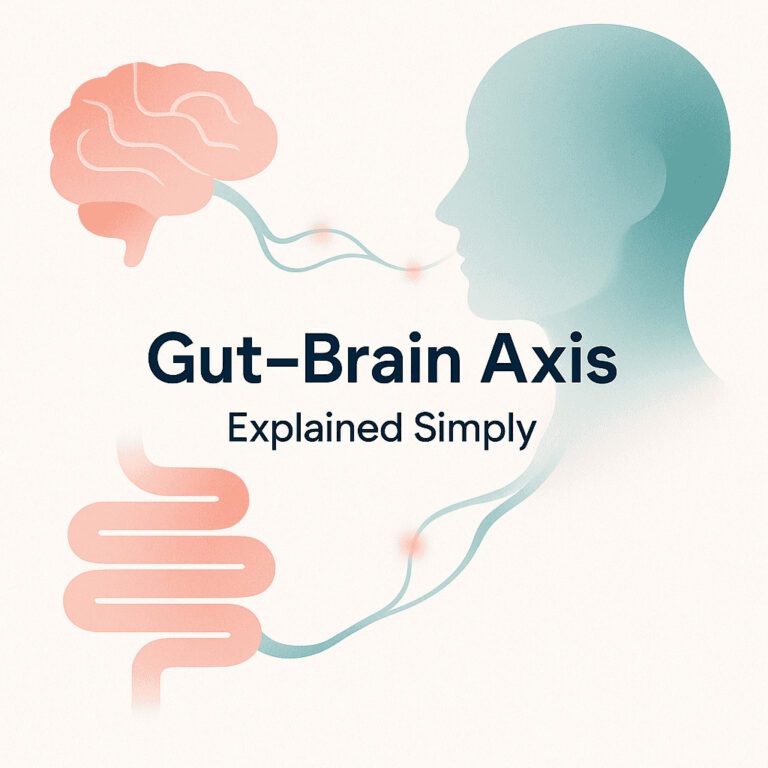
IBS is common, real, and often misunderstood. It’s a gut brain interaction problem where the intestines become more sensitive and motility becomes irregular.

After eating, the “gastrocolic reflex” can be stronger in IBS, triggering pain, urgency, or cramping.

Clues:

  • Pain linked to bowel movements (better after going, or associated with changes in stool)
  • Alternating diarrhea and constipation, or one dominant pattern
  • Bloating that builds during the day
  • Symptoms worse with stress, poor sleep, certain foods

IBS can feel intense, but it shouldn’t cause red flag signs like blood in stool, persistent fever, or unexplained weight loss.

8) Constipation and gas buildup

If stool is moving slowly, meals can trigger cramping as your gut tries to push things along.

Clues:

  • Infrequent bowel movements
  • Hard stools, straining
  • Feeling incomplete after going
  • Bloating and relief after passing gas or stool

What helps:

  • More water
  • Fiber, but introduced slowly (psyllium tends to be better tolerated than random high-fiber jumps)
  • Regular movement (walking helps motility more than people realize)
  • Addressing routine, stress, and sleep

9) Stomach bugs or foodborne illness

If pain after eating comes with:

  • Sudden diarrhea
  • Vomiting
  • Fever
  • Body aches

Then a viral or bacterial gastroenteritis may be the cause. Usually it improves in a couple of days, but dehydration risk is real. Severe pain, blood in stool, or symptoms lasting more than a few days should be assessed.

10) Less common but important causes

These are not the most common explanations, but they matter:

  • Celiac disease (immune reaction to gluten): chronic bloating, pain, diarrhea, fatigue, anemia, weight changes
  • Inflammatory bowel disease (Crohn’s/ulcerative colitis): abdominal pain, persistent diarrhea, blood/mucus, weight loss
  • Pancreatitis: upper abdominal pain often radiating to the back, nausea/vomiting, worse after eating, can be severe
  • Mesenteric ischemia (typically older adults with vascular disease): severe pain after meals and fear of eating
  • Medication effects (antibiotics, metformin, iron supplements, NSAIDs)

If symptoms are persistent, progressive, or severe, it’s worth getting checked rather than guessing.

Timing clues: when does the pain hit?

Pain within minutes of eating

  • Reflux, gastritis, ulcer, fast eating, swallowing air

Pain 30 to 90 minutes after eating

  • Gallbladder pain is a classic here
  • Some food intolerances can also show up in this window

Pain several hours after eating

  • Duodenal ulcer patterns
  • Constipation related cramping
  • IBS patterns depending on trigger foods

Pain that happens after almost every meal

  • GERD, gastritis, functional dyspepsia, IBS, chronic constipation

A simple self-check: what does the pain feel like?

  • Burning: reflux, gastritis, ulcer
  • Cramping: IBS, intolerance, gas, constipation
  • Sharp and localized: sometimes gallbladder, sometimes something urgent depending on location
  • Pressure and fullness: indigestion, slow stomach emptying, overeating
  • Pain radiating to back or shoulder: gallbladder or pancreas should be considered

What you can do at home (safe, practical steps)

If you’re not having red flag symptoms (we’ll cover those next), these steps are often a good place to start for 7 to 14 days.

1) Try “smaller and simpler” meals

Go smaller portions, less fat, less spice, fewer acidic foods. This reduces workload on the stomach and gallbladder.

2) Slow down your eating

Aim for:

  • Sitting down
  • Chewing well
  • Avoiding rushed meals
  • This alone can noticeably reduce bloating and post-meal pain for many people.

3) Reduce common triggers temporarily

If you’re unsure, start by reducing:

  • Fried and greasy meals
  • Alcohol
  • Coffee (especially on an empty stomach)
  • Carbonated drinks
  • Very spicy foods

4) Do a targeted intolerance trial

Pick one likely trigger and test it cleanly:

  • Lactose-free for 2 weeks
  • Or cut “sugar-free” gum/candy with sugar alcohols
  • Or reduce onion/garlic for a week if bloating is a major issue

5) Support regular bowel movements

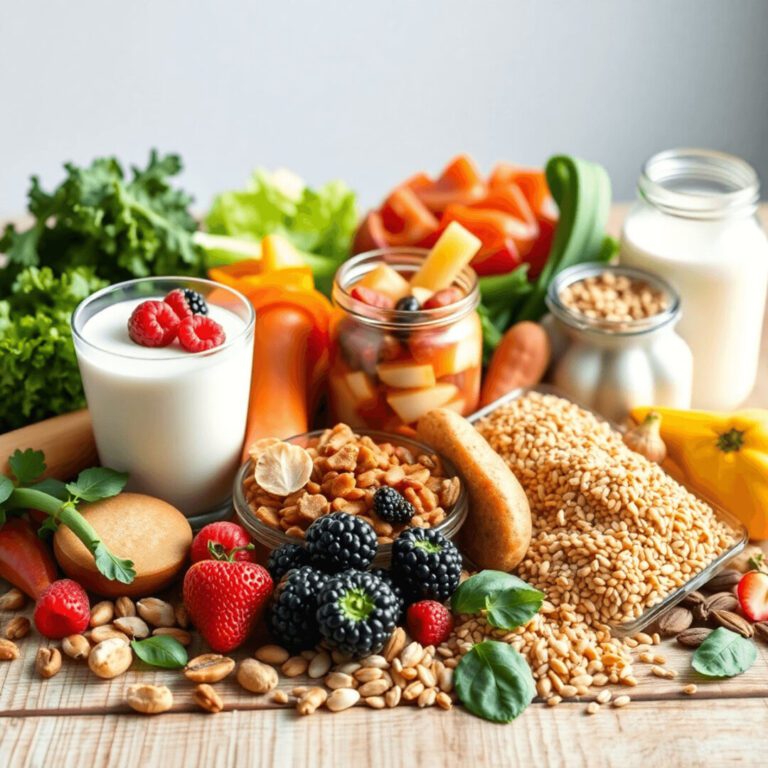
To support regular bowel movements, consider the following:

6) Be cautious with painkillers

If you’re frequently using NSAIDs (like ibuprofen), that can irritate the stomach lining. Ask a clinician about safer options for you.

When to see a doctor (and when it’s urgent)

Seek urgent care if you have:

  • Severe abdominal pain that is worsening or doesn’t ease
  • Fever with abdominal pain
  • Repeated vomiting or can’t keep fluids down
  • Black, tarry stools or vomiting blood
  • Yellow skin/eyes (jaundice) or dark urine with pale stools
  • Chest pain, shortness of breath, or pain radiating to jaw/arm
  • Signs of dehydration (dizziness, very low urine)

Book a medical visit soon if:

  • Pain keeps coming back for more than 2 to 3 weeks
  • You’re losing weight without trying
  • You have trouble swallowing, persistent nausea, or early fullness
  • You have anemia, fatigue, or blood in stool
  • Symptoms begin after starting a new medication
  • You’re over 60 with new, persistent indigestion symptoms

Doctors may recommend tests depending on your symptoms, like H. pylori testing, blood work, stool tests, ultrasound for gallbladder, or an endoscopy in certain cases.

A quick “most likely” guide based on your pattern

  • Burning upper stomach + worse with coffee/spicy foods: gastritis or reflux
  • Upper right pain after fatty meals + nausea: gallbladder
  • Bloating + cramps + diarrhea after dairy: lactose intolerance
  • Pain with bowel changes + stress sensitive: IBS
  • Gnawing pain + NSAID use: gastritis or ulcer
  • Full quickly + heavy uncomfortable upper abdomen: functional dyspepsia (and sometimes reflux)

This isn’t a diagnosis, but it’s a useful direction.

The gut health angle: why your “baseline” matters

At SolidHealthinfo, we talk a lot about gut health because it shapes how your digestion behaves day to day.

Two people can eat the same meal and have totally different outcomes. That often comes down to things like:

  • Gut motility (how smoothly food moves), which can be affected by chronic constipation
  • Microbiome balance (which affects gas production and sensitivity), a crucial aspect of our overall health as highlighted by sources such as the Cleveland Clinic
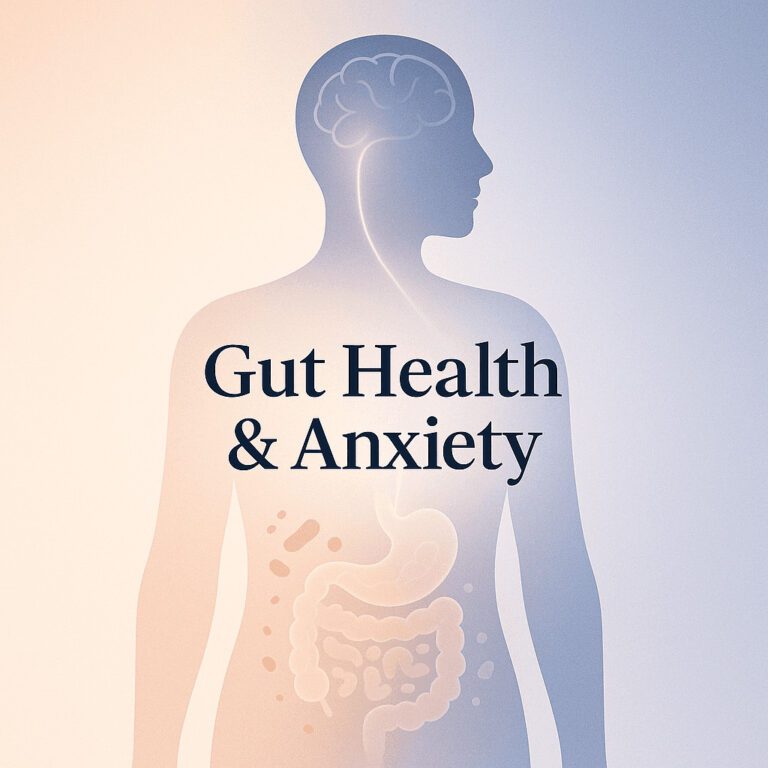
  • Stress and nervous system tone (the gut-brain connection is real)
  • Inflammation or irritation in the stomach and intestines
  • Enzyme and bile flow (important for fats and complex meals)

That’s why the best approach is usually a mix of smart symptom tracking, gentle food adjustments, and medical evaluation when needed.

Let’s wrap up

Stomach pain after eating is common, but it’s not something you have to just “live with.”

Start by noticing your pattern: location, timing, specific trigger foods, and what the pain feels like. For many people, a short period of simpler meals, slower eating, constipation support, and a targeted intolerance trial can make a big difference.

And if you’re seeing red flags like severe pain, bleeding, fever, vomiting, jaundice, or unexplained weight loss, get medical care promptly. That’s where early evaluation really matters.

If you want, share your pain location, timing (how soon after eating), and top trigger foods, and I can help you narrow down the most likely causes to discuss with your doctor.

FAQs (Frequently Asked Questions)

What causes stomach pain after eating?

Stomach pain after eating can be caused by various factors such as indigestion, acid reflux (GERD), gastritis, peptic ulcers, gallbladder issues, food intolerances, constipation, or even more serious conditions like appendicitis. The digestive system’s response to food intake—including acid production, enzyme release, and intestinal motility—can sometimes lead to discomfort if any part is irritated or inflamed.

How does the location of stomach pain help in identifying its cause?

The location of stomach pain is a crucial clue for diagnosis. Pain in the upper middle abdomen often relates to acid reflux or ulcers; upper right abdomen pain may indicate gallbladder or liver issues; upper left abdomen pain can be due to gastritis or pancreatic irritation; pain around the belly button or lower abdomen might be from gas, constipation, IBS, or food intolerance; and sharp pain low on the right side could suggest appendicitis.

What are common symptoms and triggers of indigestion after meals?

Indigestion typically presents as feeling full quickly, heaviness or discomfort in the upper abdomen, mild nausea, and burping. Common triggers include large meals, fatty or spicy foods, eating too fast, stress or anxiety, and consumption of alcohol, coffee, or carbonated drinks. Managing it involves smaller meals, eating slowly with thorough chewing, avoiding late heavy dinners, and limiting greasy or spicy foods temporarily.

How can I differentiate between acid reflux (GERD) and other causes of stomach pain?

Acid reflux usually causes a burning sensation behind the breastbone or upper stomach that worsens after large meals, lying down soon after eating, or consuming trigger foods like coffee, chocolate, peppermint, tomatoes, citrus fruits, alcohol, and fried foods. Additional signs include sour taste in the mouth, regurgitation of food or acid, chronic cough or throat clearing, and hoarseness. Lifestyle changes like not lying down for 2-3 hours post-meal and elevating the head during sleep can help manage symptoms.

When should I be concerned about gastritis or peptic ulcers as causes of stomach pain?

Gastritis often causes burning or gnawing upper central abdominal pain soon after eating and may improve temporarily with bland foods but worsen with coffee, alcohol, and spicy foods. Peptic ulcers cause burning pain that may come and go and relate to meals either worsening immediately after eating or a few hours later. Red flags include black tarry stools, vomiting blood or material resembling coffee grounds, unexplained weight loss, severe worsening pain—all requiring urgent medical evaluation.

What indicates gallbladder problems related to stomach pain after eating?

Gallbladder issues typically cause pain in the upper right abdomen starting 30 to 90 minutes after consuming rich fatty meals. The pain may radiate to the right shoulder or back. This type of discomfort is often referred to as biliary colic. If you experience these symptoms frequently after fatty foods intake, it’s advisable to consult a healthcare provider for evaluation.