What to Eat for Better Digestion
Affiliate Disclosure: This post contains affiliate links. If you purchase through our links, we may earn a small commission at no extra cost to you. We only recommend products we trust.
The good news is that for many people, digestion improves a lot when you consistently eat the kinds of foods your gut actually thrives on. Not “perfect” foods. Just the right mix of fiber, fluids, fermented foods, and simple, easy-to-digest meals that support your gut lining and the trillions of microbes living in your digestive tract. For more background, see Harvard Health notes.
Let’s walk through what to eat for better digestion, why it works, and how to put it into practice without overcomplicating your meals.
First, what does “better digestion” actually mean?
Most people mean one (or more) of these:
- Regular, comfortable bowel movements (not straining, not urgent)
- Less bloating and gas
- Less reflux, heaviness, or nausea after meals
- Less abdominal discomfort
- More predictable digestion day to day
Food can influence all of that because it affects stool bulk, gut motility, the microbiome, stomach emptying, acid balance, and how much inflammation your gut is dealing with.
1) Eat more fiber (but do it the smart way)
Fiber is the most consistent “foundation” nutrient for digestion. It helps keep stool soft and bulky, feeds beneficial gut bacteria, and supports regularity.
There are two main types:
- Soluble fiber forms a gel-like substance that can ease diarrhea, soften stool, and calm an irritated gut.
- Insoluble fiber adds bulk and helps move things along, which is helpful for constipation.
Best high-fiber foods for digestion
Soluble-fiber friendly options:
- Oats and oat bran
- Chia seeds and ground flaxseed
- Psyllium husk (small amounts can be very effective)
- Apples, pears, citrus
- Carrots, sweet potato
- Beans and lentils (start small if you bloat easily)
Insoluble-fiber options:
- Whole grains (brown rice, whole wheat, quinoa)
- Leafy greens
- Cabbage, broccoli, cauliflower (some people are sensitive)
- Nuts and seeds
- Vegetable skins (potato, cucumber, apple)
The “smart way” to increase fiber
If you jump from low fiber to high fiber overnight, you can get gassier and more bloated, even though fiber is healthy. The gut needs time to adapt.
A simple plan:
- Increase fiber gradually over 1 to 3 weeks
- Add water alongside it (fiber without fluid can worsen constipation)
- Cook your vegetables more often at first (cooked is typically easier than raw)
Easy digestion upgrade: add 1 tablespoon of ground flaxseed to yogurt, oatmeal, or smoothies daily and reassess in a week.
2) Choose gut-friendly carbs that are easier to digest
A lot of digestive discomfort isn’t from carbs in general, but from the type of carb, the portion size, and how fast you eat it.
If your gut is sensitive, start with simple, gentle options and build from there.
Easier-to-digest carb options
- White rice or jasmine rice
- Oatmeal
- Potatoes and sweet potatoes
- Sourdough bread (often easier than regular bread for some people)
- Ripe bananas
- Cooked carrots, squash, zucchini
These foods tend to be soothing, especially if your digestion is irritated.
A note on “whole grains”
Whole grains are great for many people, but if you’re currently bloated and backed up, a big bowl of wheat bran cereal can feel like throwing a log on a fire. You may do better starting with oats, quinoa, or cooked grains, then adding heavier whole grains later.
3) Eat fermented foods (a little, consistently)
Fermented foods can support digestion by introducing beneficial bacteria and compounds that may help balance the gut microbiome. You don’t need huge amounts. In fact, smaller servings often work better.
Best fermented foods to try
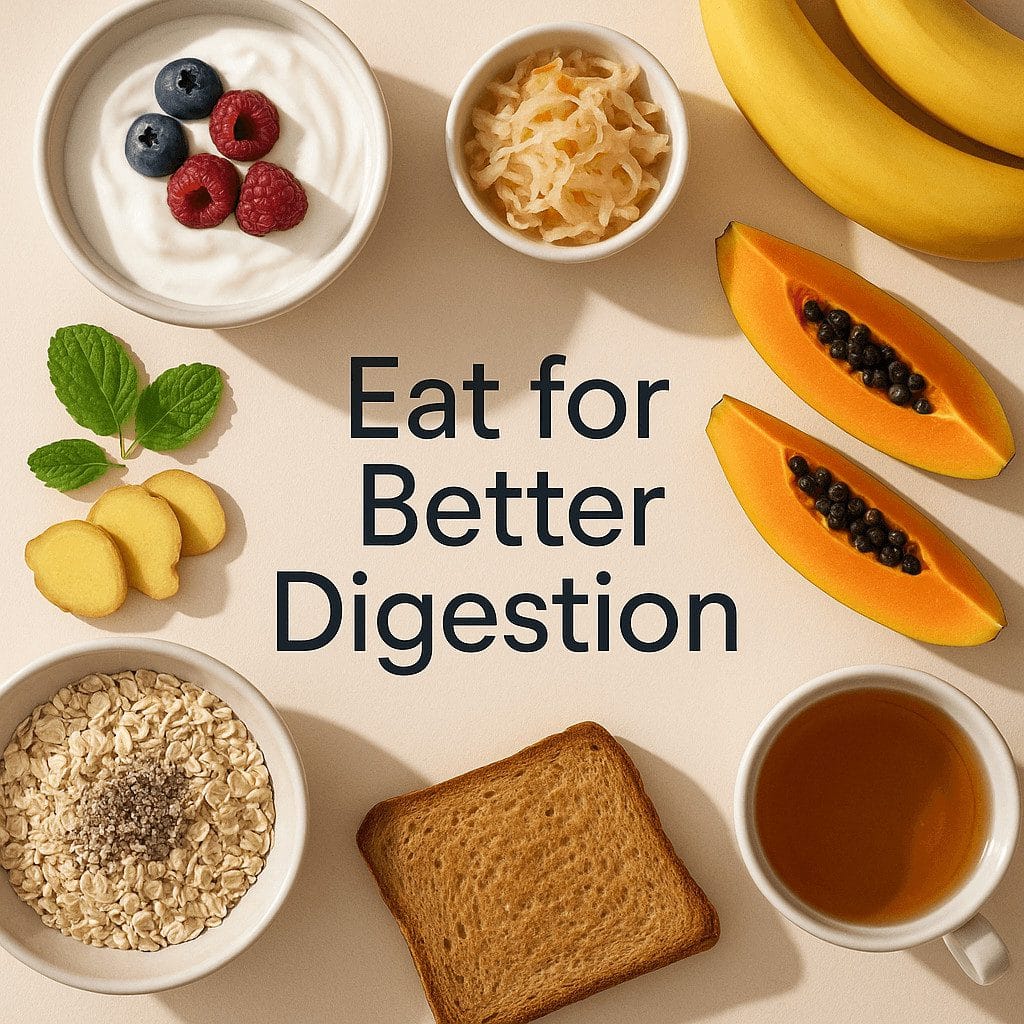
- Yogurt with live active cultures (plain if possible)
- Kefir (often easier to digest than milk)
- Sauerkraut (refrigerated, unpasteurized if available)
- Kimchi
- Miso
- Tempeh
Start small: 1 to 2 tablespoons of sauerkraut with a meal, or 1/2 cup yogurt daily.
If fermented foods make you feel more bloated at first, pause and reintroduce later. Some guts need a slower ramp-up.
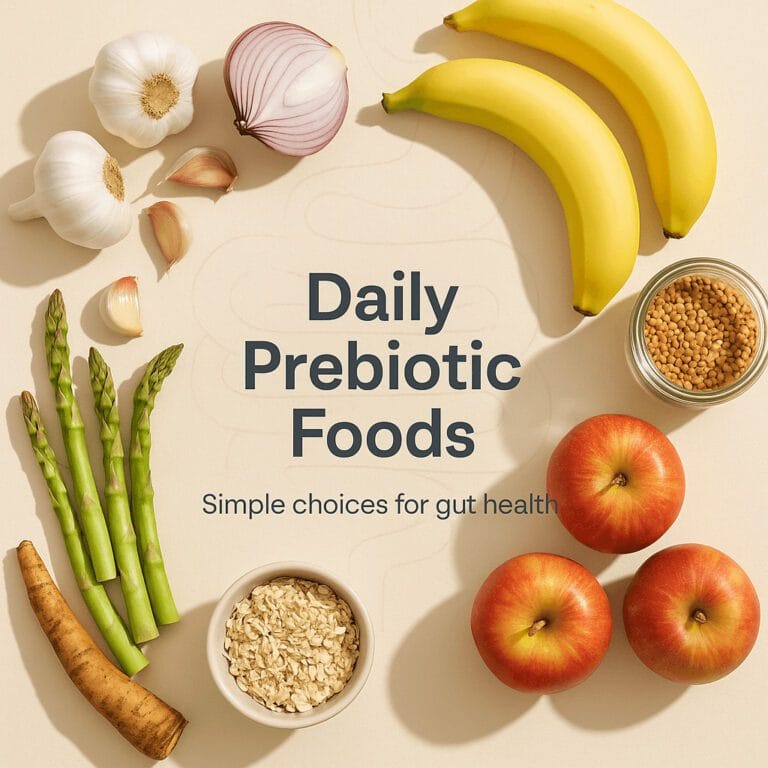
4) Prioritize prebiotic foods (they feed your good bacteria). Also see our full breakdown of what the gut microbiome is to understand why this matters.
Prebiotics are specific fibers that act like “fertilizer” for helpful gut microbes. They can improve stool consistency and regularity over time.
Great prebiotic foods
- Garlic and onions (cooked is often easier)
- Leeks
- Asparagus
- Slightly green bananas
- Oats
- Barley
- Apples
- Beans and lentils
If you’re prone to gas, introduce these slowly and focus on cooked versions first.
5) Add healthy fats, but avoid “fat overload”
Fat helps digestion in a few ways. It supports bile flow, helps you absorb fat-soluble vitamins, and can make meals more satisfying. But very high-fat meals can slow stomach emptying and trigger reflux or heaviness, especially if you’re sensitive.
Digestion-friendly fat choices
- Extra virgin olive oil
- Avocado (small portions if it triggers bloating)
- Nuts and nut butters (moderate portions)
- Seeds (chia, flax, pumpkin)
- Fatty fish (salmon, sardines)
Tip: If you get reflux, keep dinner lower-fat and finish eating at least 2 to 3 hours before lying down.
6) Pick proteins that feel “lighter” on your stomach
Protein is important, but some forms are harder to break down, especially in large portions.
Often easier-to-digest proteins
- Eggs
- Fish
- Chicken or turkey
- Tofu or tempeh
- Greek yogurt
- Slow-cooked meats (more tender can be easier)
If you’re bloated often, try reducing portion sizes slightly and balancing the plate with cooked vegetables and gentle carbs.
7) Don’t underestimate cooked vegetables
Raw vegetables are healthy, but cooking breaks down fiber and can make veggies much easier on your digestive system.
Great cooked veggie choices for digestion
- Zucchini
- Carrots
- Spinach
- Green beans
- Pumpkin and squash
- Sweet potato
- Bell peppers (some people do better with them peeled)
If salads make you bloat, switch to warm bowls and soups for a couple of weeks and see what changes.
8) Eat fruits that support regularity (without upsetting your gut)
Fruit can be amazing for digestion, but some fruits are more “gentle” than others. The goal is regularity without triggering excessive gas.
Often helpful fruits
- Kiwi (excellent for regularity for many people)
- Berries
- Oranges and mandarins
- Grapes
- Ripe bananas
- Papaya (contains enzymes that may support digestion)
If constipation is your main issue
- Prunes or prune juice (small servings can work well)
- Pears
- Kiwi daily is a simple option many people tolerate well
9) Build meals that are easy for your gut to process
Sometimes better digestion isn’t about a single “superfood.” It’s about meals that are balanced and not chaotic for your gut.
A gut-friendly plate looks like:
- 1/2 plate cooked vegetables (or soup)
- 1/4 plate protein
- 1/4 plate gentle carbs
- 1 to 2 teaspoons healthy fat
- Optional: a small fermented food serving
Simple meal ideas for better digestion
- Oatmeal with chia seeds, blueberries, and a spoon of yogurt
- Rice bowl with salmon, cooked zucchini, carrots, olive oil, and a little sauerkraut
- Scrambled eggs with sourdough toast and sautéed spinach
- Lentil soup (start with a small bowl), olive oil drizzle, and a side of rice
- Greek yogurt with kiwi, honey, and ground flaxseed
- Baked potato topped with cottage cheese or tuna and cooked greens
10) Hydration matters more than most people think
If you eat more fiber but don’t drink enough, you can feel worse. Water helps fiber do its job.
Basic targets:
- Pale yellow urine most of the day
- Add extra fluids if you sweat, walk a lot, or increase fiber
Warm fluids can also help some people, especially:
- Warm water in the morning
- Ginger tea
- Peppermint tea (note: peppermint can worsen reflux in some people)
11) Common “healthy” foods that can upset digestion (and what to do instead)
This is important because many people eat objectively healthy foods but still feel bad.
If these trigger bloating or discomfort:
- Beans and lentils
- Broccoli, cauliflower, cabbage
- Dairy
- Onions and garlic
- Large salads
- Sugar alcohols (xylitol, sorbitol, erythritol)
- Very spicy meals
- Greasy fried foods
Try these swaps:
- Use smaller portions of beans, and try lentils (often easier than larger beans)
- Choose cooked veggies instead of raw
- Try lactose-free yogurt/kefir or aged cheeses if lactose bothers you
- Use garlic-infused oil instead of lots of garlic (flavor without as many triggers)
- Reduce sugar alcohols and stick to small amounts of regular sugar or maple syrup if needed
If symptoms are intense or persistent, it can be worth exploring whether you’re sensitive to FODMAPs (a group of fermentable carbs). You don’t have to self-diagnose. A dietitian can help you do it properly without overly restricting your diet.
12) A simple “3-day digestion reset” (not a detox)
This is not a cleanse. It’s just a short, calming food plan that many people find helpful when their gut feels irritated.
For 3 days, focus on:
- Cooked meals (soups, stews, warm bowls)
- Gentle carbs (rice, oats, potatoes)
- Easy proteins (eggs, fish, chicken, tofu)
- Cooked vegetables (zucchini, carrots, spinach)
- 1 small fermented food serving per day (optional)
- 1 to 2 tablespoons ground flax or chia daily (if tolerated)
- Plenty of water
Example day
Breakfast: oatmeal + chia + blueberries
Lunch: rice + chicken + sautéed zucchini + olive oil
Snack: yogurt or kefir (or lactose-free option)
Dinner: potato + baked fish + cooked spinach
Optional: kiwi after dinner for regularity
If you feel better after this, you can slowly reintroduce more variety while keeping the core habits.
What to eat based on your main digestion problem
If you’re constipated
Prioritize:
- Kiwi, prunes, pears
- Oats, chia, flax, psyllium (slowly)
- Cooked vegetables
- Beans and lentils (small portions)
- Water and regular movement (a walk helps motility)
If you’re bloated and gassy
Prioritize:
- Cooked vegetables over raw
- Smaller portions of high-fiber foods at first
- Rice, oats, potatoes, bananas
- Ginger tea
- Eating slower (seriously, this matters)
If you have reflux or heartburn
Prioritize:
- Smaller, lower-fat dinners
- Lean proteins, cooked veggies, gentle carbs
- Avoid late meals, big spicy or fried meals
- Limit peppermint if it worsens symptoms
When to get medical advice
Food can help a lot, but some symptoms shouldn’t be ignored. Talk to a clinician if you have:
- Unexplained weight loss
- Blood in stool or black stools
- Ongoing severe pain
- Persistent vomiting
- New symptoms after age 50
- Chronic diarrhea or constipation that doesn’t improve
- Symptoms that wake you from sleep
Also consider evaluation if you suspect celiac disease, inflammatory bowel disease, gallbladder issues, or significant food intolerances.
Let’s wrap up
If you want better digestion, start with the basics that work for most guts:
- Eat more fiber, slowly and consistently
- Focus on cooked, whole foods when your gut feels sensitive
- Add fermented foods in small amounts
- Feed your microbiome with prebiotics
- Choose balanced meals with gentle carbs, easy proteins, and healthy fats
- Hydrate enough to support regularity
You don’t need a perfect diet. You need a gut-friendly routine you can actually stick to.
If you tell me your main issue (constipation, bloating, reflux, or irregular stools) and what a typical day of eating looks like, I can suggest a simple food plan to start with.
FAQs (Frequently Asked Questions)
What does ‘better digestion’ mean and how can I recognize it?
Better digestion typically means having regular, comfortable bowel movements without straining or urgency, experiencing less bloating and gas, reduced reflux or heaviness after meals, less abdominal discomfort, and more predictable digestion day to day. These signs indicate your digestive system is functioning smoothly.
How can I increase fiber intake smartly to improve digestion?
To boost fiber intake effectively, increase it gradually over 1 to 3 weeks while also drinking plenty of water to prevent constipation. Start by adding easy-to-digest soluble fibers like oats, chia seeds, or ground flaxseed (about 1 tablespoon daily) to your meals. Cooking vegetables initially can make fiber easier on your gut as it adapts.
Which carbohydrates are easiest to digest for sensitive stomachs?
Gentle carbohydrates such as white or jasmine rice, oatmeal, potatoes, sweet potatoes, sourdough bread, ripe bananas, and cooked vegetables like carrots and squash are easier to digest. Starting with these can soothe an irritated gut before introducing heavier whole grains like wheat bran or barley.
What role do fermented foods play in supporting digestion?
Fermented foods introduce beneficial bacteria that help balance the gut microbiome and improve digestion. Consuming small amounts consistently—like 1/2 cup of yogurt with live cultures or 1-2 tablespoons of sauerkraut—can support gut health without overwhelming your system. If you experience bloating initially, reintroduce them gradually.
Why are prebiotic foods important for digestive health?
Prebiotic foods contain specific fibers that feed beneficial gut bacteria, acting like fertilizer for a healthy microbiome. This supports better stool consistency and regularity over time. Examples include cooked garlic and onions, leeks, asparagus, slightly green bananas, oats, barley, apples, beans, and lentils. Introduce these slowly if you’re prone to gas.
How do healthy fats affect digestion and what should I watch out for?
Healthy fats aid digestion by supporting bile flow and helping absorb fat-soluble vitamins while making meals more satisfying. However, very high-fat meals can slow stomach emptying and may trigger reflux or feelings of heaviness in sensitive individuals. It’s best to include moderate amounts of healthy fats without overloading your meals.
🛒 Recommended: Digestive Enzymes Supplement — a well-rated option available on Amazon to support your gut health routine.