
Does Sugar Destroy Your Gut?
Affiliate Disclosure: This post contains affiliate links. If you purchase through our links, we may earn a small commission at no extra cost to you. We only recommend products we trust.
One side says sugar is basically poison. The other side says it’s fine in moderation and that “your body needs glucose.” Both sides have a point, and both can also oversimplify what’s really happening. For more background, see studies published in PubMed.
So let’s answer the real question in a clear, practical way:
Does sugar destroy your gut?
Not overnight. Not for everyone. But a high-sugar diet can absolutely disrupt your gut environment over time, especially if it regularly crowds out fiber-rich foods — including the prebiotic foods your gut bacteria need to thrive. And for some people, it can make gut symptoms noticeably worse.
Let’s break down what “sugar” does in the digestive tract, what the research actually suggests, and what you can do if you suspect sugar is messing with your gut.
First, what do we mean by “sugar”?
When most people say “sugar,” they usually mean added sugars, like:
- table sugar (sucrose)
- high-fructose corn syrup
- honey, syrups, agave
- sugar added to soda, desserts, packaged snacks, flavored yogurt, cereal, sauces, and “healthy” bars
This is different from the naturally occurring sugar in whole foods like fruit and plain dairy, which come with fiber, water, and nutrients that change how your body handles them.
It’s also worth saying plainly: glucose is not the enemy. Your body uses glucose for energy. The issue is typically dose, frequency, and food context (especially low fiber, highly processed foods eaten repeatedly).
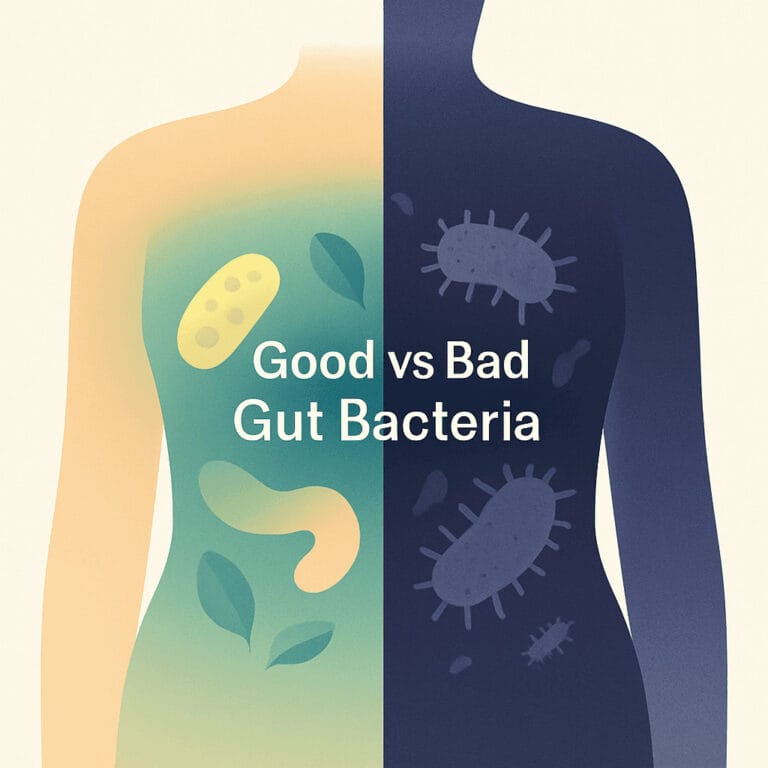
Your gut is an ecosystem, and sugar changes the “weather”
Your gut isn’t just a tube where food passes through. It’s home to trillions of microbes (bacteria, fungi, and other organisms) that help you:
- break down parts of food you can’t digest on your own
- produce helpful compounds like short-chain fatty acids (SCFAs)
- support your immune system
- maintain the gut lining and barrier function
- regulate inflammation and metabolic health
Think of your gut microbiome like a garden. It doesn’t need perfection. It needs the basics: variety, fiber, and stability.
A high-sugar diet can mess with that garden in a few important ways.
1) Sugar can shift your microbiome away from “fiber lovers”
Many of your most beneficial gut bacteria thrive on fiber and resistant starch (think legumes, oats, vegetables, nuts, seeds, and cooled potatoes or rice). When you feed these microbes, they produce SCFAs like butyrate, which helps support the gut lining and healthy inflammation levels.
Added sugar, especially when it displaces fiber-rich foods, can tilt the microbiome in the opposite direction by:
- reducing microbial diversity (generally not a good sign)
- promoting less helpful species that thrive in processed-food patterns
- decreasing SCFA production due to lower fiber intake
Important nuance: sugar doesn’t “kill” all good bacteria by itself. But diet patterns high in added sugar and low in fiber tend to be associated with a microbiome that looks less resilient and less diverse.
2) Sugar can feed yeast and worsen “overgrowth” symptoms in some people
Some people notice that when they eat a lot of sugar, they get:
- bloating
- more gas
- more cravings
- brain fog
- skin flare-ups
- recurrent yeast infections
Not all of these are purely gut-driven, but the gut can be involved.
Your digestive tract contains bacteria and fungi (including yeast). In certain contexts, frequent high sugar intake may contribute to an environment where yeast can thrive more easily, especially if there are other factors in play (antibiotic use, immune changes, diabetes, chronic stress, very low fiber intake).
This does not mean everyone has “Candida overgrowth” just because they like dessert. But if you consistently feel worse with sugar, it may be one piece of your personal puzzle.
3) Sugar can increase intestinal permeability in certain dietary contexts
You’ve probably heard the phrase “leaky gut.” The more accurate term is increased intestinal permeability, meaning the gut barrier becomes more permeable than it should be.
Your gut lining is designed to absorb nutrients while keeping unwanted particles where they belong. A healthy gut barrier is supported by things like:
- adequate fiber and SCFAs (especially butyrate)
- a balanced microbiome
- adequate micronutrients
- good sleep and stress regulation (yes, these matter)
- reduced chronic inflammation
A diet chronically high in added sugars, especially alongside ultra-processed foods and low fiber, has been associated in research with inflammatory shifts and gut-barrier changes. In plain terms: it can make the gut environment more irritated and less stable over time.
Again, sugar isn’t a magic wrecking ball. But in the real world, high sugar often travels with low fiber, low nutrient density, and more additives, which is where gut health tends to slide.
4) Sugar can worsen symptoms if you have IBS or a sensitive gut
If you have IBS (irritable bowel syndrome) or a gut that’s easily triggered, sugar can be a problem for a few reasons:
Fructose malabsorption (common enough to matter)
Some people poorly absorb fructose (found in many sweetened drinks, fruit juices, and foods sweetened with high-fructose corn syrup). Unabsorbed fructose can pull water into the gut and get fermented by microbes, increasing gas and bloating.
Sugar alcohols (often worse than sugar)
Many “sugar-free” products contain sugar alcohols like:
- sorbitol
- xylitol
- mannitol
- erythritol (tolerated better by some, but not all)
These can be highly fermentable and are common triggers for bloating and diarrhea.
Big sugar hits can speed up gut motility
Some people notice looser stools after large sugary meals, especially when paired with caffeine or high fat foods. That’s not your imagination.
If you suspect sugar is a trigger, you don’t necessarily need to cut it forever. But you may benefit from reducing the biggest sources and watching your symptom pattern.
5) Sugar may increase inflammation indirectly (and your gut feels that)
Chronic inflammation is not just about joints and heart health. The gut is heavily involved.
A consistent pattern of high added sugar can contribute to:
- blood sugar spikes and crashes
- higher triglycerides in some people
- weight gain over time (not always, but commonly)
- increased inflammatory signaling in metabolically sensitive individuals
Your gut and immune system are closely linked. Inflammation can change gut motility, gut sensitivity, and the microbiome itself. So even when sugar’s impact seems “metabolic,” it can still show up as digestive symptoms.
So… does sugar “destroy” your gut?
For most people, occasional sugar doesn’t destroy anything. A cookie after dinner is not gut apocalypse.
But if your diet is built around sugary drinks, daily desserts, constant snacking on sweet foods, and low fiber overall, then yes, sugar can contribute to a gut environment that is:
- less diverse
- more inflammation-prone
- more sensitive (especially if you already have GI issues)
- less supported by fiber-fermenting bacteria
A better way to phrase it is:
Sugar doesn’t usually destroy the gut by itself. It contributes to gut imbalance when it becomes a major, frequent part of your diet and displaces the foods your gut needs most.
The biggest gut offenders are often liquid sugar and “stealth sugar”
If you want the highest-impact place to start, focus here:
Sugary drinks (the gut-unfriendly MVP)
- soda
- sweetened iced coffee drinks
- energy drinks
- sweet tea
- fruit juice (even “100% juice,” if it’s frequent)
Liquid sugar hits fast, doesn’t fill you up well, and is easy to overdo.
“Stealth sugar” foods
These don’t always taste like dessert, but sugar adds up quickly:
- flavored yogurts
- granola and cereal
- ketchup, BBQ sauce, salad dressings
- “healthy” protein bars
- packaged smoothies
- sweetened nut milks
This matters because your gut responds to patterns. Small daily doses can become a constant background signal.
Signs sugar might be hurting your gut (and not just your waistline)
Everyone is different, but people often report gut-related improvements when they reduce added sugar if they had issues like:
- bloating that’s worse after sweets or sweet drinks
- more gas and rumbling after sugary snacks
- alternating constipation and diarrhea (especially with sugar alcohols)
- cravings that feel “out of control,” especially after a sugar-heavy day
- increased acid reflux symptoms after dessert-heavy meals
- more fatigue after eating sweets (sometimes linked to blood sugar swings)
None of these prove sugar is the cause. But they’re good clues to investigate.
What to do if you want to protect your gut (without going extreme)
You don’t need a “no sugar ever” lifestyle to support your gut. In fact, overly strict rules can backfire and make food feel stressful, which also impacts digestion.
Here’s a realistic, gut-friendly approach.
1) Aim to reduce added sugar, not erase all sweetness
Start with the biggest wins:
- swap soda for sparkling water or flavored seltzer
- choose plain Greek yogurt and add berries or a drizzle of honey yourself
- cut sweetened coffee drinks down in size and frequency
You’ll often see symptom improvements without touching fruit or whole foods.
2) Add fiber before you focus on subtraction
Your gut microbes love consistency. A simple daily baseline helps:
- legumes a few times per week (lentils, chickpeas, beans)
- oats, chia, flax, or psyllium (if tolerated)
- vegetables with at least one meal per day
- nuts and seeds
- whole grains if you do well with them
If you increase fiber, do it gradually and drink enough water, especially if you’re prone to bloating.
3) Pair sweet foods with protein or fat
If you’re going to eat something sweet, don’t do it on an empty stomach. Pairing helps reduce glucose spikes and may reduce cravings later.
Examples:
- dark chocolate with nuts
- fruit with yogurt
- dessert after a balanced meal instead of as a snack
4) Watch sugar alcohols if you’re bloated
If you chew sugar-free gum daily or eat “keto” candies and get bloated, this is a very common cause.
Try a 2-week break from sugar alcohols and see what changes.
5) Don’t forget stress and sleep (they change gut function)
Even a perfect diet won’t fully fix gut symptoms if you’re chronically stressed, sleeping poorly, or rushing meals.
If your digestion is reactive, start with:
- slower meals (even 10% slower helps)
- a short walk after eating
- a consistent bedtime
- simple breathing before meals if stress is high
What about probiotics, prebiotics, and “gut supplements”?
If sugar is a major part of your diet, supplements are rarely the first lever to pull.
That said, some people do benefit from:
- prebiotic fibers (like partially hydrolyzed guar gum or psyllium) if tolerated
- fermented foods (yogurt, kefir, sauerkraut) in small amounts
- specific probiotics depending on symptoms (this is highly individual)
But the foundation is still: less added sugar, more fiber, and a consistent eating pattern.
When to talk to a professional
Consider medical guidance if you have:
- persistent diarrhea or constipation
- blood in stool
- unexplained weight loss
- severe abdominal pain
- symptoms that wake you at night
- ongoing reflux not improving with lifestyle changes
Also, if you suspect fructose intolerance, SIBO, celiac disease, or inflammatory bowel disease, it’s worth getting properly evaluated instead of guessing.
The bottom line
Sugar doesn’t instantly “destroy” your gut, and you don’t need to fear every sweet bite.
But a high added-sugar diet can absolutely disrupt gut balance over time, especially when it replaces fiber-rich, whole foods. For many people, lowering added sugar is one of the simplest ways to reduce bloating, improve stool consistency, and support a healthier microbiome.
If you want a gut-friendly next step, keep it simple:
Cut back on sugary drinks, reduce hidden added sugars, and add more fiber-rich foods.
That combo tends to help the gut far more than extreme rules ever will.
FAQs (Frequently Asked Questions)
Does sugar destroy your gut immediately?
Sugar does not destroy your gut overnight or for everyone. However, a high-sugar diet can disrupt your gut environment over time, especially if it regularly crowds out fiber-rich foods, potentially worsening gut symptoms for some individuals.
What types of sugar affect gut health the most?
Added sugars such as table sugar (sucrose), high-fructose corn syrup, honey, syrups, agave, and sugars added to soda, desserts, packaged snacks, flavored yogurt, cereal, sauces, and ‘healthy’ bars impact gut health more significantly than naturally occurring sugars in whole foods like fruits and plain dairy.
How does sugar impact the gut microbiome?
A high-sugar diet can reduce microbial diversity and promote less helpful species by displacing fiber-rich foods that beneficial bacteria thrive on. This leads to decreased production of short-chain fatty acids like butyrate which support gut lining and healthy inflammation levels.
Can sugar contribute to yeast overgrowth and related symptoms?
Yes, frequent high sugar intake may create an environment where yeast can thrive more easily, especially when combined with factors like antibiotic use or low fiber intake. This can worsen symptoms such as bloating, gas, cravings, brain fog, skin flare-ups, and recurrent yeast infections in some people.
What is the relationship between sugar and intestinal permeability (‘leaky gut’)?
Diets chronically high in added sugars alongside ultra-processed foods and low fiber have been associated with inflammatory shifts and increased intestinal permeability. This means the gut barrier becomes more permeable than it should be, leading to irritation and less stability over time.
How does sugar affect people with IBS or sensitive guts?
Sugar can worsen symptoms in individuals with IBS or sensitive guts due to issues like fructose malabsorption. Foods high in fructose — including many sweetened drinks and products — may trigger digestive discomfort in these individuals.
🛒 Recommended: Garden of Life Raw Probiotics — a well-rated option available on Amazon to support your gut health routine.