What is the Gut Microbiome?
Affiliate Disclosure: This post contains affiliate links. If you purchase through our links, we may earn a small commission at no extra cost to you. We only recommend products we trust.
Inside your digestive tract lives a massive community of tiny organisms that work with you (and sometimes against you) every single day. This community is called the gut microbiome, and it’s one of the most important pieces of gut health. Understanding it starts with knowing the difference between good and bad gut bacteria. For more background, see NIH Human Microbiome Project.
At SolidHealthinfo, we talk a lot about digestion, bloating, IBS-like symptoms, food sensitivities, and the frustrating “why is this happening?” side of gut issues. Understanding the gut microbiome gives you a clearer lens for all of it.
Let’s break it down in simple terms.
The gut microbiome, explained like a real-world system
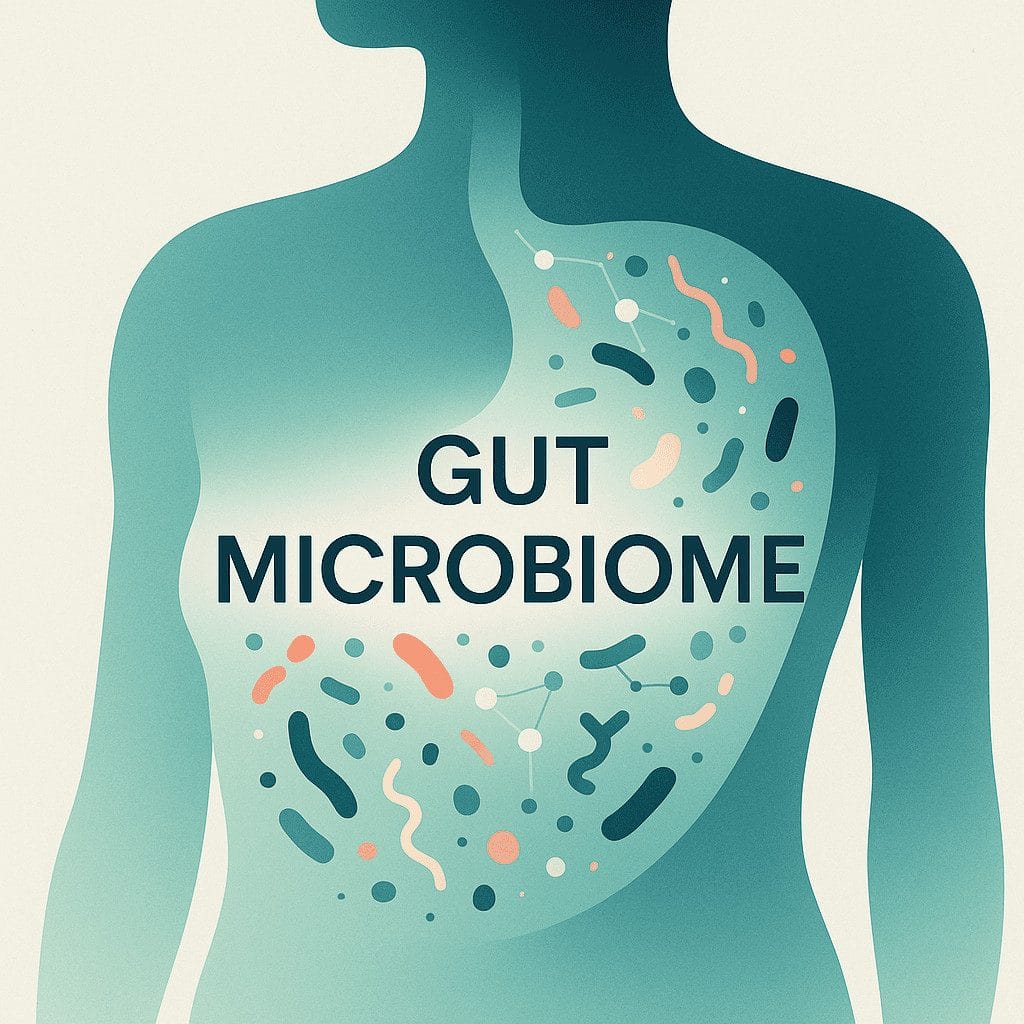
Your gut microbiome is the collection of microorganisms that live mostly in your large intestine (colon). These include:
- Bacteria (the best-studied group)
- Viruses (including bacteriophages, which infect bacteria)
- Fungi and yeasts
- Other microbes in smaller amounts
You’ll also hear the term gut microbiota. People use “microbiome” and “microbiota” interchangeably, but there’s a small difference:
- Microbiota = the microbes themselves
- Microbiome = the microbes plus what they produce (like enzymes and metabolites) and the environment they live in
A helpful way to picture it: your gut microbiome is like a busy city. Some residents keep things clean and running smoothly. Others are neutral. And a few can cause trouble if they overgrow.
Where is the gut microbiome located?
Microbes live throughout the digestive tract, but the biggest and most diverse population is in the large intestine. That’s mainly because:
- Food moves more slowly there
- There’s lots of fiber and leftover material for microbes to “eat”
- The environment supports fermentation (a key microbiome activity)
Smaller populations also live in the mouth, stomach, and small intestine, but the colon is where the microbiome really becomes a powerhouse.
What does the gut microbiome actually do?
A healthy gut microbiome is not just “nice to have.” It does real work that affects digestion, immunity, and even how you feel day to day.
1) It helps you digest what you can’t digest
Humans can’t fully break down certain fibers and resistant starches. Gut bacteria can.
When they ferment these fibers, they produce short-chain fatty acids (SCFAs) like:
- Butyrate (a major fuel source for colon cells)
- Acetate
- Propionate
These compounds are a big reason fiber is linked to better gut health. You’re not just feeding yourself. You’re feeding the helpful microbes that keep your gut lining supported.
2) It supports your gut barrier (your “gut lining”)
Your gut lining is like a security gate. It needs to let nutrients in while keeping irritants and pathogens out.
A balanced microbiome helps maintain this barrier by:
- Supporting mucus production
- Nourishing intestinal cells (butyrate is key here)
- Influencing inflammation levels in the gut
When things get out of balance, the barrier can become more fragile. That doesn’t automatically mean you have a specific diagnosis, but it helps explain why some people become more reactive to foods, stress, or infections.
3) It trains your immune system
A large portion of your immune system is positioned around the gut, constantly deciding what’s safe and what’s not.
Your microbiome helps “educate” immunity by:
- Helping the body tolerate harmless substances (like food proteins)
- Supporting the right kind of immune responses to true threats
- Influencing inflammation signaling
This is why gut health and immune health are so closely linked in research and in real life.
4) It helps defend against unwanted microbes
A healthy microbiome provides what’s called colonization resistance. In plain English: good microbes take up space and resources, making it harder for harmful microbes to move in and dominate.
They do this by:
- Competing for nutrients
- Producing acids and antimicrobial compounds
- Influencing gut pH and the local environment
This is one reason digestive issues sometimes show up after antibiotics or stomach bugs. The ecosystem can get disrupted, and opportunistic microbes may take advantage.
5) It may influence mood and brain signaling (the gut-brain connection)
You’ve probably heard phrases like “trust your gut” or “gut feeling.” While those are cultural sayings, the gut-brain link is very real.
The microbiome can influence:
- Neurotransmitter-related pathways (like serotonin signaling in the gut)
- Inflammation (which can affect brain function)
- The vagus nerve and stress response systems
This doesn’t mean the microbiome “causes” anxiety or depression in a simple way. But it does mean gut health and mental well-being often move together, especially in people with chronic digestive symptoms.
What does a “healthy” gut microbiome look like?
This is where people get tripped up, because there isn’t one perfect microbiome that everyone should aim for.
A healthy microbiome is generally associated with:
- Diversity (a wide variety of beneficial species)
- Stability (it doesn’t swing wildly with every small change)
- Resilience (it can bounce back after stress, illness, or travel)
- Balance (helpful microbes are doing their job and opportunists are kept in check)
One important point: More diversity is often a good sign, but it’s not the only sign. Some people have digestive symptoms despite “good diversity” on a test, and others feel great without a textbook-perfect result. Symptoms still matter.
What is dysbiosis?
Dysbiosis is a term used when the gut microbiome is out of balance. It’s not a single diagnosis, but it’s a useful concept.
Dysbiosis can involve:
- Too few beneficial microbes
- Overgrowth of opportunistic microbes
- Reduced diversity
- Changes in microbial activity (what they produce)
It’s often discussed in connection with issues like bloating, irregular stools, food intolerance patterns, post-antibiotic digestive changes, and certain gut disorders. But it’s also important to say this clearly: dysbiosis is not always easy to measure, and it’s not always the only driver of symptoms.
What shapes your gut microbiome?
Your gut microbiome is influenced by your entire life, not just what you ate this week.
Here are the biggest factors.
Diet (especially fiber variety)
What you eat is one of the most direct influences.
- Fiber-rich plant foods tend to support beneficial fermentation
- Ultra-processed diets can reduce microbial diversity in many people
- Low-fiber patterns may lower SCFA production over time
A useful way to think about it is “variety over perfection.” Different fibers feed different microbes. The microbiome generally likes a wider menu.
Antibiotics and medications
Antibiotics can be lifesaving, but they can also reduce beneficial bacteria and shift the ecosystem.
Other medications can influence the microbiome too, including acid-suppressing drugs and certain laxatives. This doesn’t mean you should avoid necessary medication. It just means the gut ecosystem may need extra support afterward.
Stress and sleep
Chronic stress changes gut movement, gut secretions, and immune signaling. Poor sleep can do similar things.
This is one reason stress-related gut symptoms are so common. Your microbiome is not isolated from your nervous system.
Infections and food poisoning
A stomach bug can temporarily (and sometimes longer-term) alter the gut environment. Some people notice their digestion changes after travel sickness or food poisoning, which may involve shifts in the microbiome and gut sensitivity.
Early life factors (birth, feeding, environment)
How you were born, whether you were breastfed, early antibiotic exposures, and your early environment can influence the early microbiome. Over time, lifestyle becomes a larger factor, but those early years help set the stage.
Alcohol and smoking
Both can influence gut microbial balance and gut barrier function, especially with frequent exposure.
Can you “test” your gut microbiome?
There are stool tests that estimate microbiome composition. Some are used clinically in specific contexts, but many are consumer-focused and vary in quality and usefulness.
Microbiome testing can sometimes offer clues, but it also has limitations:
- Results can change based on recent diet, travel, illness, and even sample timing
- A stool sample reflects what’s leaving the body, not a perfect map of the entire gut
- Many “ideal ranges” are not universally agreed upon
If you’re dealing with significant symptoms, testing is usually most helpful when guided by a clinician who can interpret results in context rather than chasing numbers.
Signs your gut ecosystem might need support
These symptoms are not specific to the microbiome alone, but they are common in people who benefit from improving overall gut health habits:
- Frequent bloating or gas
- Irregular bowel movements (constipation, diarrhea, or alternating)
- New sensitivities to foods you used to tolerate
- Symptoms that worsened after antibiotics or a stomach bug
- Persistent abdominal discomfort
- Feeling generally “inflamed” or run down alongside gut symptoms
It’s worth noting that antibiotics can significantly disrupt your gut microbiome, leading to issues such as persistent abdominal discomfort or new food sensitivities. If symptoms are severe, persistent, or include red flags (blood in stool, unexplained weight loss, persistent fever, anemia, waking at night with diarrhea, severe pain), it’s important to get medical evaluation.
How to support a healthier gut microbiome (without obsessing)
A microbiome-friendly approach is usually simple, but it has to be consistent.
1) Feed your microbes with diverse plant foods
Try to rotate through:
- Vegetables (especially leafy greens, onions, garlic if tolerated)
- Beans and lentils (start small if you bloat easily)
- Whole grains (oats, brown rice, quinoa)
- Nuts and seeds
- Fruit (berries, kiwi, apples, citrus)
If you’re currently very sensitive to fiber, this still applies, but the strategy becomes: slow and steady.
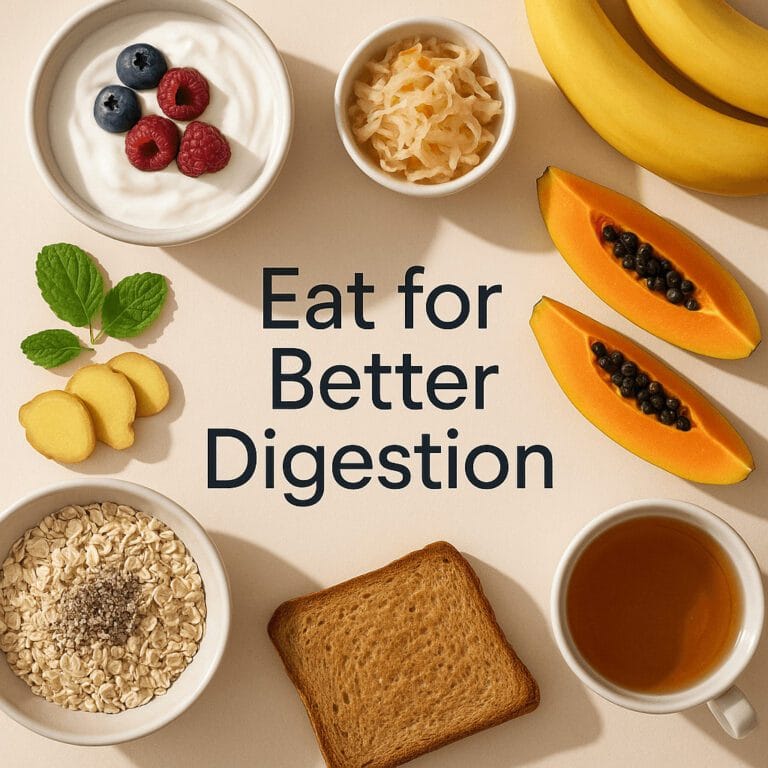
2) Include fermented foods if you tolerate them
Fermented foods can introduce helpful microbes and support microbial activity. Examples include:
- Yogurt with live cultures
- Kefir
- Sauerkraut
- Kimchi
- Miso
Not everyone tolerates fermented foods well, especially if histamine sensitivity is in the picture. Start with small amounts and pay attention to your body.
3) Consider prebiotic fibers carefully
Prebiotics are fibers that selectively feed beneficial microbes. Common ones include inulin, GOS, and partially hydrolyzed guar gum (PHGG).
They can be helpful, but they can also worsen bloating in some people if introduced too aggressively. If your gut is reactive, start low and increase slowly.
4) Prioritize regularity: sleep, movement, and stress support
Your microbiome responds to your lifestyle signals.
- Aim for consistent sleep timing
- Add gentle movement most days (walking counts)
- Use stress tools that actually fit your life (breathing, therapy, journaling, nature, social support)
This is not “wellness fluff.” It’s gut physiology.
5) Don’t forget the basics of digestion
Sometimes the most microbiome-friendly thing is making digestion easier:
- Eat slowly
- Chew well
- Avoid constantly grazing if it worsens symptoms
- Notice which foods consistently trigger you, then troubleshoot calmly rather than cutting everything forever
Common myths about the gut microbiome
Myth 1: You need expensive supplements to “fix” your microbiome
Most people get more benefit from food variety, sleep, and stress support than from a cabinet full of pills. Supplements can help in specific cases, but they’re not the foundation.
Myth 2: Probiotics work the same for everyone
Different strains do different things. Some people feel better, others feel no change, and a few feel worse. Probiotics are tools, not magic.
Myth 3: You should eliminate tons of foods to “heal your gut”
Short-term elimination diets can be useful for identifying triggers, but long-term restriction can reduce microbial diversity and make eating stressful. The goal is usually to expand your diet over time, not shrink it.
The bottom line
Your gut microbiome is a living ecosystem inside your digestive tract that helps you digest fiber, support the gut lining, regulate immune function, and defend against harmful microbes. It can also influence how your gut communicates with your brain, which is part of why stress and digestion are so tightly linked.
The good news is that you don’t need to “hack” your microbiome. Most of the time, the biggest wins come from simple, steady habits: more plant variety (including those found in different strains of marijuana), enough fiber for your tolerance level, fermented foods if they work for you, better sleep, and a calmer nervous system.
If you’re dealing with ongoing gut symptoms, think of the microbiome as one important piece of the puzzle, not the whole story. And if you want more practical gut health guides, that’s exactly what we focus on here at SolidHealthinfo.
FAQs (Frequently Asked Questions)
What is the gut microbiome and why is it important for gut health?
The gut microbiome is the collection of microorganisms, including bacteria, viruses, fungi, yeasts, and other microbes, that live mainly in your large intestine. It’s crucial for gut health because these microbes work with you daily to support digestion, immunity, and overall well-being by producing enzymes and metabolites that influence your digestive tract’s environment.
Where in the digestive system is the gut microbiome most concentrated?
While microbes exist throughout the digestive tract, the largest and most diverse population of the gut microbiome resides in the large intestine (colon). This area supports a thriving microbial community due to slower food movement, abundant fiber for fermentation, and an environment conducive to microbial activity.
How does the gut microbiome assist in digestion?
The gut microbiome helps digest fibers and resistant starches that human enzymes cannot break down. Gut bacteria ferment these fibers to produce short-chain fatty acids like butyrate, acetate, and propionate. These compounds fuel colon cells and support gut lining health, making fiber intake beneficial for maintaining a healthy digestive system.
In what ways does a healthy gut microbiome support the gut barrier?
A balanced microbiome maintains the gut lining—the security gate of your digestive system—by promoting mucus production, nourishing intestinal cells (especially through butyrate), and regulating inflammation levels. This helps keep irritants and pathogens out while allowing nutrients to pass through effectively.
How does the gut microbiome influence the immune system?
The gut microbiome educates and trains your immune system by helping it tolerate harmless substances like food proteins, supporting appropriate immune responses to threats, and modulating inflammation signaling. Since much of your immune system is located around the gut, this relationship is vital for overall immune health.
What role does the gut microbiome play in protecting against harmful microbes?
A healthy microbiome provides colonization resistance by occupying space and consuming resources that harmful microbes need to thrive. It also produces acids and antimicrobial compounds that inhibit unwanted microbes and influences the local environment’s pH to prevent pathogenic overgrowth. Disruptions from antibiotics or infections can weaken this defense mechanism.
🛒 Recommended: Garden of Life Raw Probiotics — a well-rated option available on Amazon to support your gut health routine.