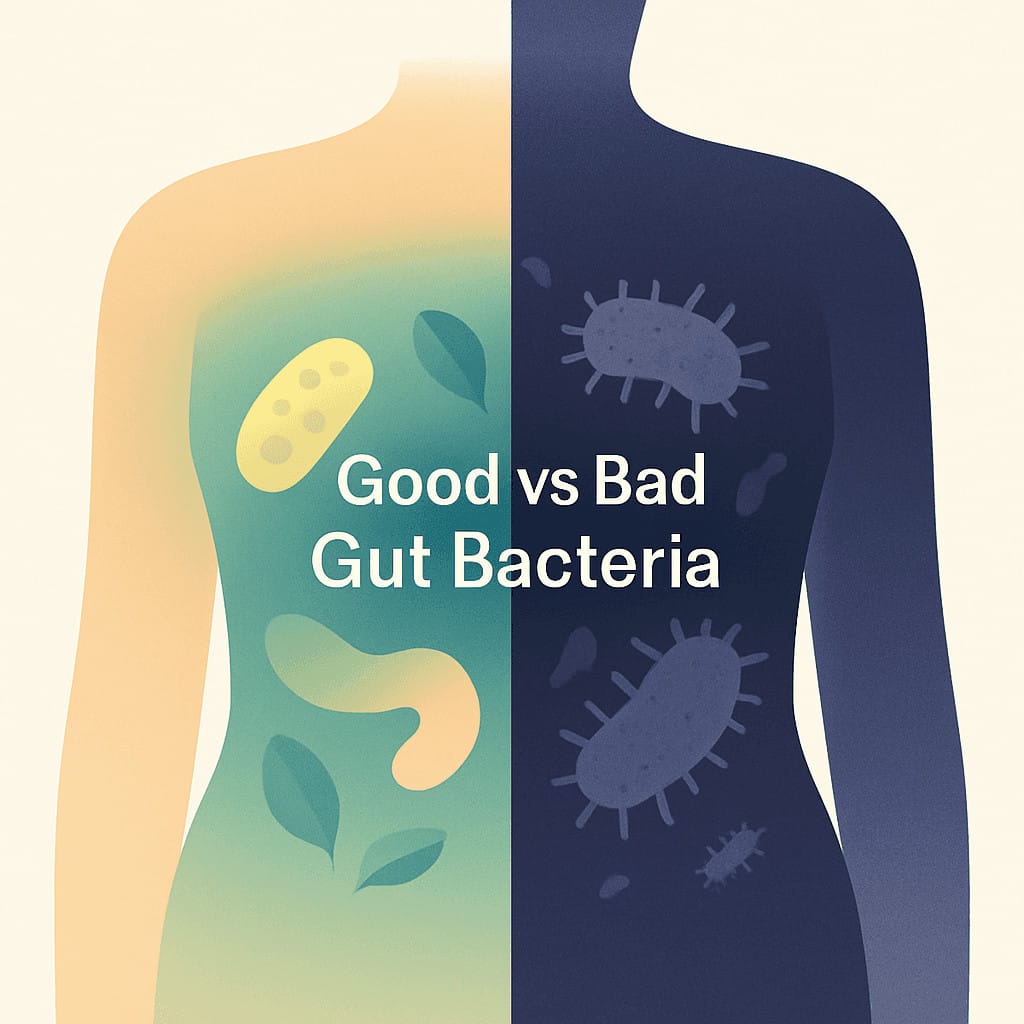
Good vs Bad Gut Bacteria
Affiliate Disclosure: This post contains affiliate links. If you purchase through our links, we may earn a small commission at no extra cost to you. We only recommend products we trust.
That’s a helpful starting point, but it’s also a little misleading. For more background, see research published in Cell.
Because in real life, your gut is less like a war and more like a crowded city — and understanding this balance is key to grasping how gut bacteria affect immunity. You’ve got helpful residents, neutral ones, and a few troublemakers. The goal is not to wipe out all “bad” bacteria. The goal is to keep the ecosystem balanced so the helpful microbes can do their jobs, and the harmful ones do not get the chance to take over.
Let’s break it down in simple terms: what “good” and “bad” gut bacteria actually mean, what they do, how things get out of balance, and what you can do to support a healthier microbiome.
What Is Gut Bacteria, Exactly?
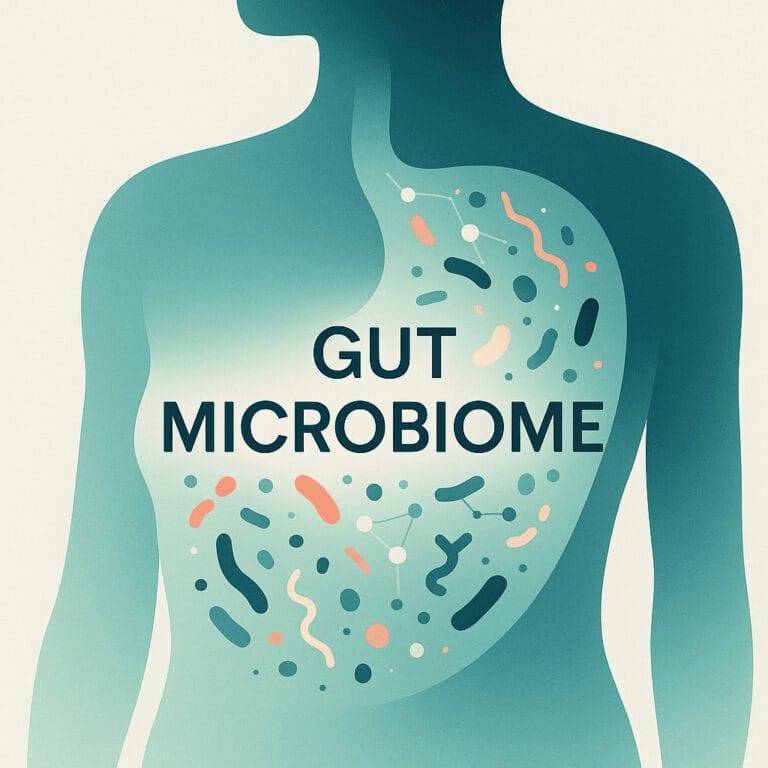
Your gut contains trillions of microorganisms, including bacteria, viruses, fungi, and archaea. When people say “gut bacteria,” they’re usually talking about the bacterial portion of this ecosystem, mostly living in the large intestine.
This community influences far more than digestion. It helps with:
- Breaking down certain fibers and producing beneficial compounds
- Training and regulating the immune system
- Maintaining the gut lining (your internal barrier)
- Making vitamins and metabolites that affect the whole body
- Communicating with the brain through the gut-brain axis
So when we talk about good vs bad gut bacteria, we’re really talking about how this whole system behaves.
“Good” vs “Bad” Gut Bacteria: The Practical Definition
Here’s the most useful way to think about it:
Good gut bacteria
These are bacteria that tend to support health by doing things like:
- Producing short-chain fatty acids (SCFAs) such as butyrate, which helps fuel colon cells and supports the gut barrier
- Helping keep inflammation in check
- Supporting normal bowel movements
- Competing with potentially harmful microbes so they do not dominate
- Supporting immune balance (not too reactive, not too weak)
Common groups that are often associated with beneficial effects include (depending on species and context):
- Bifidobacterium
- Lactobacillus
- Faecalibacterium prausnitzii (a well-known butyrate producer)
- Akkermansia muciniphila (often linked with metabolic health)
- Various butyrate-producing Clostridia (not the scary kind people think of; “Clostridia” is a broad class)
Bad gut bacteria
These are bacteria that can contribute to problems when they become too abundant, produce harmful byproducts, or trigger inflammation.
But here’s the key detail: many “bad” bacteria are not always bad. They are often opportunistic. They cause trouble when the environment in the gut favors them.
Examples of microbes that can be problematic in certain situations include:
- Clostridioides difficile (C. diff), especially after antibiotics
- Certain strains of Escherichia coli (E. coli) (many strains are harmless; some are not)
- Salmonella, Shigella, Campylobacter (more clear-cut pathogens)
- Overgrowth of certain Proteobacteria, a group often linked with inflammation when elevated
So “bad bacteria” usually means one of these:
- True pathogens that do not belong there in significant amounts, or
- Normal residents that become harmful when the gut ecosystem is disrupted
The Most Important Concept: Balance (Not Perfection)
A healthy gut microbiome is typically marked by:
- Diversity (a wider range of microbes tends to be more resilient)
- Stability (it does not swing wildly with every stressor)
- Resilience (it can recover after illness, travel, antibiotics, or dietary changes)
- A strong gut barrier and controlled inflammation
Dysbiosis is the term used for an unhealthy imbalance. It can mean:
- Too few beneficial microbes
- Too many opportunistic or inflammatory microbes
- Reduced diversity
- Loss of key functions, like SCFA production
What Good Gut Bacteria Do for You
1. They help you digest what you cannot digest alone
Humans do not have the enzymes to break down many fibers. Gut bacteria ferment these fibers and produce compounds that help keep the colon healthy.
2. They produce short-chain fatty acids (SCFAs)
SCFAs, especially butyrate, are a big deal. They can:
- Support the gut lining and barrier integrity
- Help regulate inflammation
- Influence insulin sensitivity and metabolism in some contexts
This is one reason diets rich in fiber tend to be linked to better gut outcomes.
3. They help regulate your immune system
A large portion of your immune system is stationed in and around the gut. Beneficial microbes help the immune system learn what to ignore and what to fight.
When the microbiome is off, immune balance can shift toward chronic inflammation or increased sensitivity.
Moreover, it’s essential to understand that achieving this balance often requires a multifaceted approach. This includes not just dietary changes but also lifestyle adjustments such as managing stress levels and ensuring adequate sleep. Such holistic strategies can significantly improve gut health, leading to better overall well-being. For more insights into how various factors contribute to gut health, you might find this study useful.
4. They crowd out troublemakers
Good bacteria help by taking up space and resources, producing acids and antimicrobial compounds, and creating an environment that makes it harder for harmful microbes to thrive.
What “Bad” Gut Bacteria Can Do (When They Overgrow)
1. They can irritate the gut lining and raise inflammation
Some bacteria produce compounds (or trigger immune reactions) that can inflame the gut, especially if the gut barrier is already compromised.
2. They can contribute to gas, bloating, and discomfort
An overgrowth in the small intestine (often discussed as SIBO) or an imbalance in the colon can shift fermentation patterns. This can mean:
- More gas
- More bloating
- Changes in stool frequency or consistency
Not all bloating is “bad bacteria,” but microbial imbalance can be part of the picture.
3. They can take advantage after antibiotics or illness
A classic example is C. diff, which can bloom when antibiotics wipe out protective microbes that normally keep it in check.
4. They can produce unwanted byproducts
Certain imbalances can lead to increased production of compounds that may be irritating or inflammatory, especially in the context of low fiber intake and high ultra-processed diets.
Signs Your Gut Bacteria Might Be Out of Balance
These symptoms are common and non-specific, meaning they can have many causes, but they are often reported when the gut microbiome is struggling:
- Frequent bloating or excessive gas
- Diarrhea, constipation, or alternating between both
- Food sensitivities that seem to be increasing
- Ongoing stomach discomfort
- Feeling unusually fatigued after meals
- Skin flare-ups (in some people)
- More frequent infections (suggesting immune strain)
If you have severe symptoms, blood in stool, unexplained weight loss, persistent diarrhea, anemia, or significant pain, that is a medical check-in situation, not a “try more yogurt” situation.
What Causes “Bad” Bacteria to Win?
A microbiome usually shifts because the environment changes. Common drivers include:
1. Low-fiber, ultra-processed diets
Beneficial microbes tend to thrive on plant fibers and diverse whole foods. Diets that are low in fiber and high in added sugars, refined carbs, and emulsifiers (common in ultra-processed foods) can push the ecosystem in the wrong direction for some people.
2. Repeated or broad-spectrum antibiotics
Antibiotics can be life-saving, but they can also reduce diversity and knock down helpful bacteria. Sometimes the microbiome rebounds well. Sometimes it struggles, especially with repeated courses.
3. Chronic stress and poor sleep
Stress hormones and disrupted sleep can affect gut motility, gut barrier function, and immune signaling. This can change which microbes thrive.
4. Infections and food poisoning
A stomach bug can reshape the gut microbiome for weeks or months. Some people bounce back quickly. Others notice lingering IBS-like symptoms afterward.
5. Low stomach acid, motility issues, or certain medications
Some medications can shift the microbiome or increase overgrowth risk in specific contexts. If you suspect this, it is worth discussing with a clinician rather than guessing.
The Confusing Truth: Some “Good” Bacteria Can Act Bad (And Vice Versa)
This is where gut health gets more nuanced.
- E. coli is a great example. Many strains are normal residents. Some strains are clearly harmful.
- Lactobacillus is often beneficial, but in certain overgrowth situations, even typically “good” groups can contribute to symptoms.
- Some bacteria are beneficial in one person and not as helpful in another, depending on diet, gut transit time, genetics, and immune activity.
So instead of thinking in rigid categories, think in terms of:
- What is the microbiome producing?
- How is the gut barrier doing?
- Is inflammation elevated?
- Are symptoms present?
- Is there diversity and stability?
How to Support More Good Gut Bacteria (Without Overcomplicating It)
You do not need a perfect diet or a shelf full of supplements. You need consistent signals that tell your microbiome, “This is a safe, well-fed environment.”
1. Eat more types of fiber (slowly if you’re sensitive)
Different microbes like different fibers, so variety matters.
Helpful fiber sources include:
- Oats, barley
- Lentils, chickpeas, beans
- Apples, berries, pears
- Carrots, broccoli, leafy greens
- Chia, flax, nuts, seeds
If you bloat easily, increase fiber gradually and pay attention to portion sizes. Sometimes it is not “fiber is bad,” it is “too much too fast.”
2. Add fermented foods if you tolerate them
Fermented foods can introduce helpful microbes and support microbial diversity for many people. These foods are also part of the how and why to fit more fiber and fermented food into your meals, which can be beneficial for gut health.
Options include:
- Yogurt with live cultures
- Kefir
- Sauerkraut, kimchi
- Miso, tempeh
If you have histamine issues or find fermented foods trigger symptoms, do not force it.
3. Feed the good microbes with prebiotic foods
Prebiotics are fibers that beneficial microbes like to eat. Common ones include:
- Garlic, onions, leeks
- Asparagus
- Slightly green bananas
- Cooked and cooled potatoes or rice (resistant starch)
- Oats and legumes
Again, go slowly if these trigger bloating.
4. Prioritize regular bowel movements
Healthy transit time helps prevent overgrowth and keeps fermentation happening in the right place.
Basics that help:
- Hydration
- Fiber (right amount for you)
- Daily movement, even walking
- Adequate magnesium intake (food first; supplements with guidance)
5. Do not underestimate sleep and stress
This is not “wellness fluff.” Poor sleep and chronic stress can change gut motility and immune tone, which can absolutely shift the microbiome.
Two simple targets:
- Keep a consistent sleep window most nights.
- Build a daily downshift routine (even 10 minutes) to signal safety to your nervous system.
6. Be thoughtful with probiotics
Probiotics can help in certain situations, like after antibiotics or for specific symptoms, but they are not automatically right for everyone.
A practical approach:
- Choose a product with clearly listed strains and CFUs.
- Trial it for 3 to 4 weeks.
- Track symptoms, not hype.
- If you feel worse, stop and reassess.
If you have complex gut issues, it’s often worth getting personalized guidance rather than guessing.
Can You Test Your Gut Bacteria?
There are stool tests that map parts of the microbiome. They can be interesting, and sometimes helpful in clinical contexts, but they are not always straightforward to interpret.
Two important points:
- The microbiome changes based on diet, travel, stress, sleep, and illness, so a test is a snapshot.
- The best “score” is not always the best predictor of how you feel.
If symptoms are significant or persistent, it’s often more useful to work with a clinician to rule out things like infections, celiac disease, inflammatory bowel disease, or nutrient deficiencies, depending on your situation.
Good vs Bad Gut Bacteria: The Takeaway
“Good” gut bacteria are the ones that support digestion, protect your gut lining, help regulate immunity, and keep inflammation under control. “Bad” bacteria are usually opportunists or pathogens that cause trouble when they overgrow or when the gut environment shifts in their favor.
But the real goal is not to eliminate every “bad” microbe. It’s to build a gut environment where beneficial microbes thrive, diversity stays strong, and your system stays resilient.
If you want a simple starting plan, focus on the basics that consistently move people in the right direction:
- Eat a wider variety of plant foods over time
- Increase fiber gradually and consistently
- Add fermented foods if tolerated
- Support sleep, stress regulation, and daily movement
- Be cautious with antibiotics, and rebuild afterward when you can
That’s how you help the “good guys” win, without turning gut health into a full-time job.
FAQs (Frequently Asked Questions)
What is gut bacteria and why is it important for overall health?
Gut bacteria refers to the trillions of microorganisms, primarily bacteria, living in your large intestine. This community plays a crucial role beyond digestion by breaking down fibers, producing beneficial compounds like short-chain fatty acids (SCFAs), regulating the immune system, maintaining the gut lining, making vitamins, and even communicating with the brain through the gut-brain axis.
What is the difference between ‘good’ and ‘bad’ gut bacteria?
Good gut bacteria support health by producing SCFAs such as butyrate, controlling inflammation, supporting bowel movements, competing with harmful microbes, and balancing the immune system. Examples include Bifidobacterium and Lactobacillus. Bad gut bacteria can cause problems when overgrown or when they produce harmful byproducts; these include pathogens like Clostridioides difficile and opportunistic microbes that become harmful if the gut environment is disrupted.
Why is balance in the gut microbiome more important than eliminating all bad bacteria?
The goal is to maintain a balanced ecosystem where helpful microbes thrive and harmful ones are kept in check. A healthy microbiome features diversity, stability, resilience, a strong gut barrier, and controlled inflammation. Eliminating all bad bacteria isn’t feasible or beneficial since some are normal residents that only cause issues when out of balance.
How do good gut bacteria support digestion and metabolism?
Good gut bacteria ferment dietary fibers that humans cannot digest alone, producing short-chain fatty acids like butyrate. These SCFAs nourish colon cells, support gut barrier integrity, regulate inflammation, and influence insulin sensitivity and metabolism—factors linked to better digestive and metabolic health.
In what ways do beneficial gut bacteria influence the immune system?
Beneficial microbes help train and regulate the immune system by teaching it what to ignore and what to fight. This maintains immune balance, preventing chronic inflammation or hypersensitivity. Since a large part of the immune system resides in the gut area, a healthy microbiome is essential for proper immune function.
What lifestyle changes can support a healthier gut microbiome?
Supporting a healthy microbiome involves more than diet; it includes managing stress levels, ensuring adequate sleep, and adopting holistic lifestyle habits. These multifaceted approaches help maintain microbial diversity, stability, and resilience—key factors for balanced gut health and overall well-being.
🛒 Recommended: Organic Inulin Prebiotic Fiber Powder — a well-rated option available on Amazon to support your gut health routine.