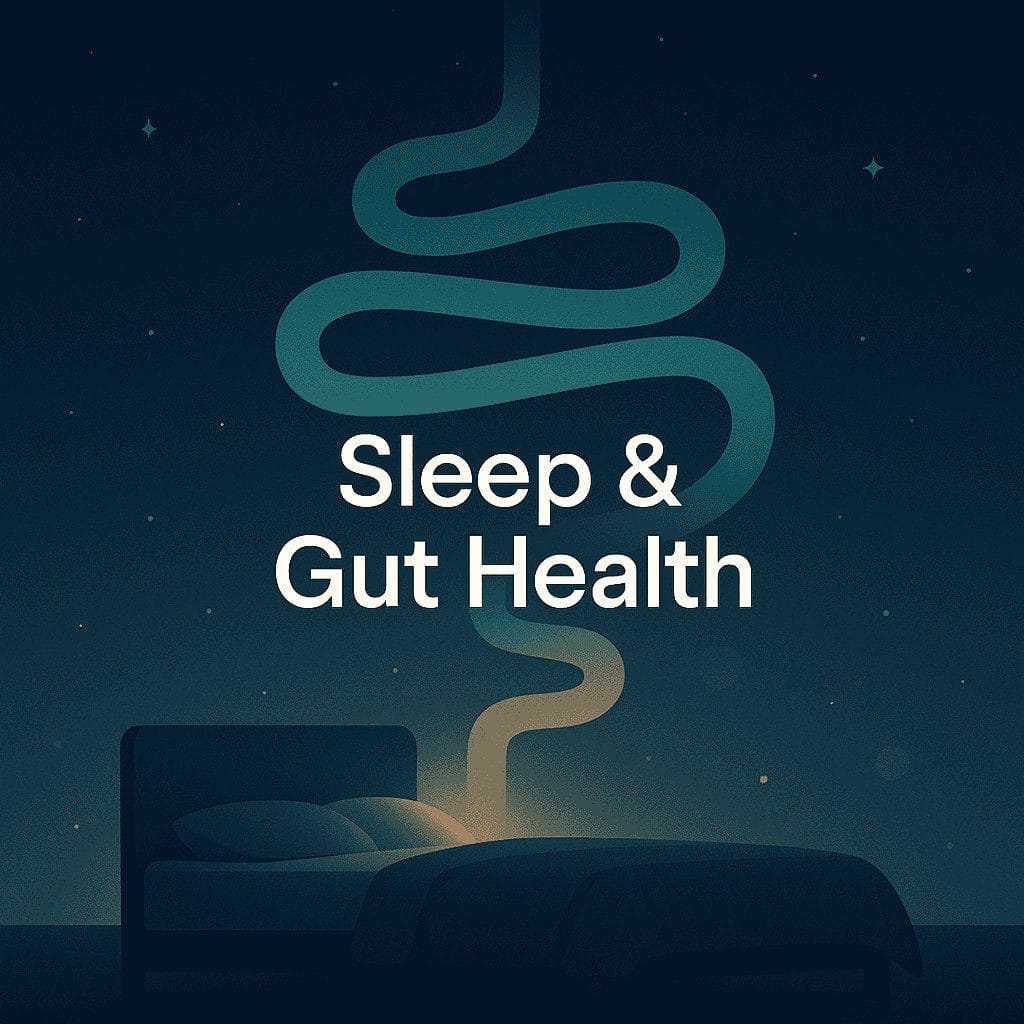
How Sleep Impacts Gut Health
Affiliate Disclosure: This post contains affiliate links. If you purchase through our links, we may earn a small commission at no extra cost to you. We only recommend products we trust.
But here’s the part that doesn’t get talked about enough: your gut cares deeply about your sleep. For more background, see Healthline research.
If you’ve ever had a rough night and then noticed bloating, extra cravings, constipation, or an “off” stomach the next day, that’s not random. Sleep and gut health are tightly connected through your hormones, your nervous system, your immune system, and your gut microbiome.
Let’s break it down in a simple way, and then I’ll share a practical plan you can actually use.
The gut and the brain are always talking
Your gut and brain are connected by something called the gut-brain axis. Think of it like a two-way communication line.
When you’re stressed, your stomach can tighten, digestion can slow down, and symptoms can flare.
When your gut is irritated or inflamed, you can feel it as anxiety, poor sleep, low mood, or that wired-but-tired feeling.
Sleep is one of the biggest “reset buttons” for this system. Without it, the signals between your brain and your gut get noisier and less coordinated.
What happens in your gut when you don’t sleep well
A single bad night won’t “ruin your gut.” But poor sleep, especially when it becomes a pattern, can push your digestive system in the wrong direction in a few important ways.
1) Your gut microbiome can shift (faster than you’d think)
Your gut microbiome is the community of bacteria and other microbes living in your intestines. It helps with:
- digestion and nutrient absorption
- making certain vitamins
- training your immune system
- producing gut-friendly compounds like short-chain fatty acids
- supporting the gut lining
Sleep disruption can change the balance of these microbes. Studies suggest that fragmented sleep and short sleep are associated with lower microbial diversity and shifts in certain bacterial groups.
Why does that matter? In general, a more diverse microbiome tends to be more resilient. When diversity drops, some people notice more digestive sensitivity, irregular bowel movements, or a gut that feels reactive.
Also, your microbiome follows daily rhythms. When your sleep schedule is all over the place, those rhythms can get thrown off.
2) Your gut barrier may get “leakier”
Your intestinal lining is designed to be selectively permeable. It should absorb nutrients while keeping unwanted particles out.
Sleep loss has been linked with increased inflammation and stress signaling, which can affect this barrier. When the barrier is compromised, the gut can become more permeable, which some people refer to as “leaky gut” (clinically, increased intestinal permeability).
This doesn’t mean everyone with poor sleep develops serious permeability issues. But it helps explain why chronic bad sleep can make the gut feel more inflamed, more sensitive, and harder to settle.
3) Inflammation tends to rise
Sleep is one of your body’s strongest anti-inflammatory tools.
When you’re sleep-deprived, your immune system shifts toward a more inflammatory state. This matters for gut health because inflammation can:
- irritate the gut lining
- worsen reflux symptoms
- aggravate IBS-type symptoms in some people
- make you more sensitive to foods you normally tolerate
Inflammation is also one reason poor sleep and digestive flare-ups often travel together.
4) Your digestion and motility can change
Motility is the movement of food through your digestive tract. Sleep impacts motility through your nervous system (especially your vagus nerve) and your circadian rhythm.
When sleep is short or irregular, you might notice:
- constipation (slower movement)
- diarrhea (more reactive movement)
- more bloating or trapped gas
- more abdominal discomfort after meals
This is especially common in people who already have IBS or functional gut symptoms, because the gut can be extra sensitive to changes in nervous system tone.
5) Your appetite hormones shift, and your gut feels it
Poor sleep affects hunger hormones:
- Ghrelin tends to rise (you feel hungrier)
- Leptin can drop (you feel less satisfied)
So you crave more food, and usually more ultra-processed, salty, sugary foods. That’s not a character flaw. It’s biology.
Those foods can feed less helpful gut patterns in some people, reduce fiber intake, and increase bloating or irregularity, especially when they replace whole foods.
In other words, sleep doesn’t just affect your gut directly. It also nudges your food choices in a direction that can make gut issues worse.
Circadian rhythm: your gut has a body clock too
Your body runs on a 24-hour cycle called the circadian rhythm. Most people associate this with sleep and wake cycles, but your gut follows it as well.
Your circadian rhythm influences:
- stomach acid production
- gut motility
- bile release
- enzyme activity
- microbiome behavior
This is why eating at odd hours, late-night snacking, and rotating sleep schedules can mess with digestion.
It’s also why many people notice reflux is worse at night, or that their digestion feels “slower” when they’re jet-lagged.
The sleep–stress–gut loop (and how people get stuck in it)
A lot of gut problems become persistent because they form a loop:
- Stress or gut symptoms disrupt sleep
- Poor sleep raises stress hormones and inflammation
- Higher stress and inflammation worsen gut symptoms
- Worse gut symptoms disturb sleep again
If you’re in this cycle, the goal is not perfection. The goal is to break the loop gently, using a few habits that calm the nervous system and make sleep more predictable.
Signs your gut might be reacting to poor sleep
Not every symptom is sleep-related, but these patterns are common:
- You wake up with nausea or low appetite after a bad night
- Bloating or gas is noticeably worse the day after short sleep
- Constipation shows up after a few nights of late bedtime
- You crave sugar and snackier foods when sleep is poor
- Reflux feels worse when you eat late and go to bed soon after
- IBS flares cluster around stressful weeks with worse sleep
If this sounds familiar, sleep may be a major lever for your gut.
The gut benefits of good sleep (what changes when sleep improves)
When sleep becomes more consistent, many people notice:
- more regular bowel movements
- reduced bloating and abdominal discomfort
- fewer cravings and more stable appetite
- better tolerance to fiber and larger meals
- improved stress resilience (which directly helps IBS symptoms)
- fewer late-night reflux issues due to better meal timing
Sleep doesn’t replace targeted gut strategies (like diet changes, treating infections, or managing SIBO if present). But it can make everything else work better.
A practical plan to support sleep for better gut health
You don’t need a perfect bedtime routine. You need a few repeatable anchors that make your sleep more consistent and your nervous system calmer.
Here’s what works for most people.
1) Set a “most days” sleep schedule
Try to keep your bedtime and wake time within a 60 to 90 minute window, even on weekends.
Consistency is powerful because your gut and brain both love predictability. A stable schedule supports circadian rhythm, hormone timing, and digestion.
If you want one simple target: pick a wake time and protect it. Bedtime usually falls into place more naturally after a week or two.
2) Get morning light within an hour of waking
This is underrated and surprisingly effective.
Natural light in the morning helps set your circadian rhythm, which improves sleep quality at night. Better circadian rhythm also supports gut timing, including motility.
Even 5 to 15 minutes outside helps. If it’s cloudy, still go out. Your eyes and brain can tell.
3) Keep caffeine gut-friendly and sleep-friendly
Caffeine can aggravate reflux, anxiety, and IBS symptoms in some people, especially on an empty stomach.
Try these tweaks:
- Have coffee after breakfast, not before
- Keep it earlier in the day (many people do better cutting it off by late morning or early afternoon)
- If you’re sensitive, test half-caf or smaller servings
This is not about quitting caffeine forever. It’s about seeing if your gut and sleep improve with small changes.
4) Watch the “late meal” trap
Late meals can worsen reflux and disrupt sleep because your digestion is still working hard when you lie down.
A gut-friendly guideline is to finish your last meal 2 to 3 hours before bed when possible.
If you need something later, keep it light and simple (for example: a small bowl of oatmeal, yogurt if tolerated, or a banana with nut butter). Heavy, greasy, spicy, or very acidic foods late at night tend to be the worst for reflux and sleep.
5) Build a 10-minute wind-down that calms the gut-brain axis
You don’t need a two-hour routine. Try 10 minutes:
- Dim the lights
- Put your phone away (or at least out of your hand)
- Do slow breathing (like 4 seconds in, 6 seconds out)
- Or try a short stretch, gentle yoga, or a warm shower
This matters because your gut digests best in a “rest and digest” state. Wind-down time helps shift you out of fight-or-flight.
6) Don’t underestimate temperature and darkness
Two easy sleep upgrades:
- Keep your room cool (many people sleep best in a slightly cooler room)
- Make it dark (blackout curtains or a sleep mask can help)
Better sleep depth often translates into better next-day digestion.
7) If you wake at night, avoid turning it into a full stress event
Waking up sometimes is normal.
If you wake up and your mind starts racing, remind yourself: “My job is to rest, not to force sleep.”
Keep lights low, avoid checking the time, and do calm breathing. If you’re awake for a long time, get out of bed and do something boring in dim light (like reading a paper book) until you feel sleepy again.
Reducing the stress around waking up often improves sleep faster than trying to control it.
What about melatonin, magnesium, and probiotics?
A lot of people want a supplement solution. Supplements can help, but they work best when the basics are in place.
- Melatonin can be helpful for jet lag or shifting sleep schedules, but it’s not always the best long-term fix for chronic insomnia. If you use it, lower doses are often enough.
- Magnesium (especially magnesium glycinate) may help some people with relaxation, stress, and constipation. Others may not tolerate certain forms well, especially magnesium citrate if it causes loose stools.
- Probiotics can be helpful for some gut issues, but the response is very individual. If sleep is the main issue, start with sleep habits first. Then consider probiotics as a targeted experiment.
If you have medical conditions, take medications, are pregnant, or have complex gut symptoms, it’s smart to check with a clinician before adding supplements.
When to dig deeper (because sleep isn’t the only factor)
Sometimes sleep and gut issues are linked, but there’s also another root cause that needs attention. Consider getting support if you have:
- persistent insomnia for more than a few weeks
- loud snoring, gasping, or suspected sleep apnea
- unexplained weight loss, blood in stool, or severe pain
- ongoing diarrhea or constipation that doesn’t improve
- significant reflux that wakes you up often
- anxiety or depression that is worsening with sleep disruption
Treating sleep apnea, reflux, or chronic stress can make a big difference for gut health.
Let’s wrap it up
If you’re working on gut health and ignoring sleep, you’re leaving one of the biggest tools on the table.
Good sleep helps your microbiome stay resilient, lowers inflammation, supports a healthy gut barrier, and keeps digestion and appetite regulation steadier. Poor sleep does the opposite, and it can show up as bloating, irregular bowel movements, cravings, reflux, and flare-ups that feel hard to explain.
Start simple:
- Keep a consistent wake time
- Get morning light
- Avoid late heavy meals
- Build a short wind-down routine
Do that for two weeks and pay attention to what changes in your gut. For a lot of people, it’s one of the quickest, most underrated ways to feel better.
FAQs (Frequently Asked Questions)
How does poor sleep affect gut health?
Poor sleep can negatively impact your gut health by disrupting the balance of your gut microbiome, increasing intestinal permeability (often called ‘leaky gut’), raising inflammation levels, altering digestion and motility, and shifting appetite hormones. These changes can lead to symptoms like bloating, constipation, digestive sensitivity, and cravings for less healthy foods.
What is the gut-brain axis and why is it important?
The gut-brain axis is a two-way communication system between your brain and your gut. It means that stress or anxiety can affect digestion by slowing it down or causing discomfort, while gut irritation or inflammation can influence mood, sleep quality, and feelings of anxiety. Sleep acts as a crucial reset button for this system to maintain balanced signals between the brain and gut.
Can disrupted sleep change the diversity of my gut microbiome?
Yes, fragmented or short sleep patterns are associated with lower microbial diversity in the gut. A diverse microbiome is generally more resilient and supports better digestion, immune function, and gut lining health. When diversity decreases due to poor sleep, you may experience increased digestive sensitivity or irregular bowel movements.
How does my body’s circadian rhythm influence digestion?
Your circadian rhythm regulates many digestive processes including stomach acid production, gut motility, bile release, enzyme activity, and microbiome behavior. Disrupting this rhythm through irregular sleep schedules, late-night eating, or jet lag can lead to slower digestion, worsened reflux symptoms at night, and overall digestive discomfort.
What role do appetite hormones play in the connection between sleep and gut health?
Poor sleep affects hunger hormones by increasing ghrelin (which makes you feel hungrier) and decreasing leptin (which signals fullness). This hormonal shift leads to stronger cravings for ultra-processed, salty, or sugary foods that can disrupt healthy gut patterns by reducing fiber intake and increasing bloating or irregularity.
How can I break the cycle of stress, poor sleep, and worsening gut symptoms?
Breaking the loop involves gently addressing each component: managing stress through relaxation techniques; improving sleep quality with consistent routines; supporting gut health via balanced nutrition; and recognizing that perfection isn’t required. Small lifestyle changes aimed at reducing inflammation and restoring balance in the gut-brain axis can help interrupt this persistent cycle.
🛒 Recommended: Magnesium Glycinate Sleep Support — a well-rated option available on Amazon to support your gut health routine.