Can Gut Health Affect Anxiety?

So yes, gut health can affect anxiety. Not in a simple “take a probiotic and you’ll never worry again” way, but in a real, biologically plausible way that researchers are actively studying.

Let’s break down how it works, what the science actually suggests, and what you can do if you suspect your gut is making your anxiety feel worse.

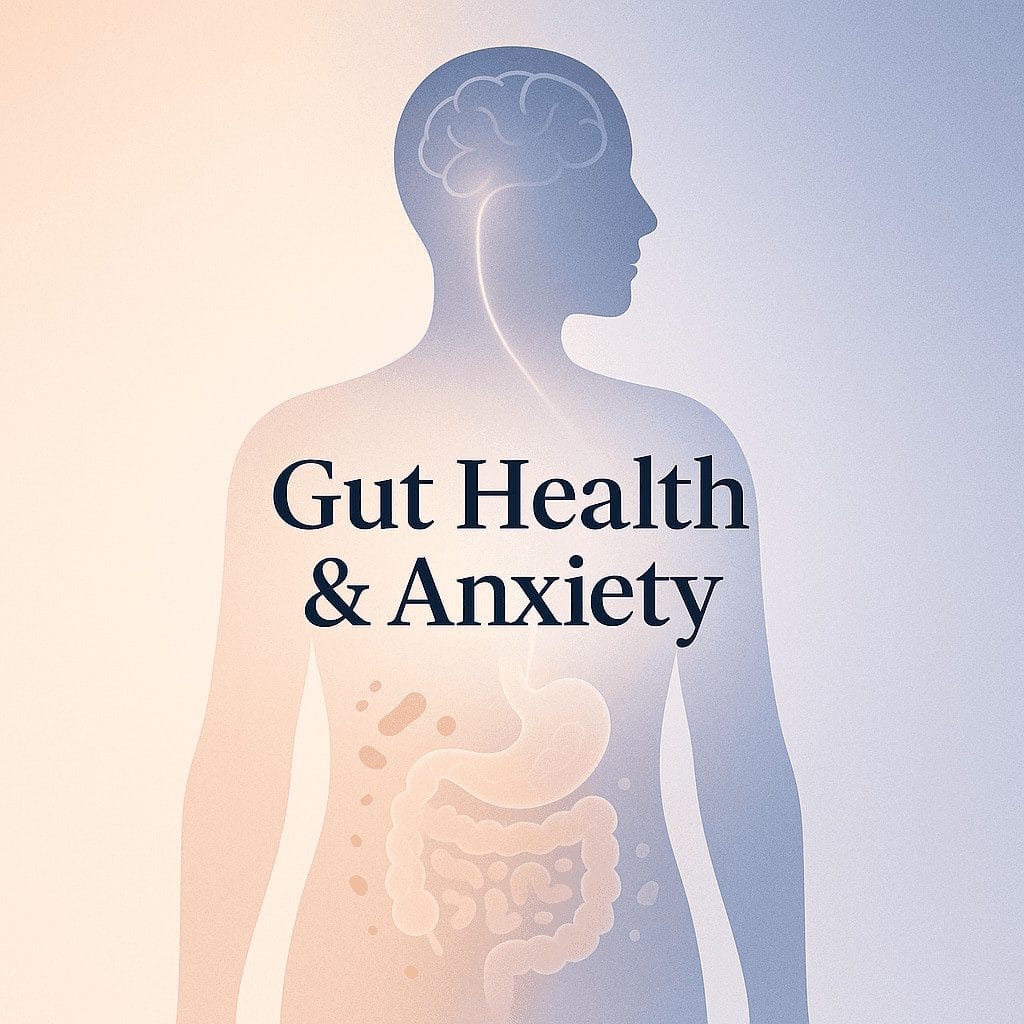
The gut and the brain are connected (all day, every day)

Your digestive system isn’t just a food tube. It’s packed with nerves, immune cells, and trillions of microbes (bacteria, viruses, and fungi) that help digest food and produce compounds that influence your body.

This communication network is often called the gut-brain axis, and it runs in both directions:

  • Your brain affects your gut (stress can change digestion, appetite, and bowel habits).
  • Your gut affects your brain (microbes and gut inflammation can influence mood and stress responses).

A big part of this two-way connection happens through:

  • The vagus nerve (a major “information highway” between gut and brain)
  • Immune signaling (inflammation can influence brain chemistry)
  • Hormones and stress chemicals (like cortisol)
  • Microbial metabolites (compounds gut microbes make when they break down fiber and other nutrients)

This is why gut issues and anxiety so often travel together.

What does the microbiome have to do with anxiety?

Your gut microbiome is the ecosystem of microbes living in your intestines. A healthy microbiome generally has a good balance of different species, tends to support the gut lining, and helps keep inflammation under control.

When the microbiome is disrupted (often called dysbiosis), several things can happen that may contribute to anxiety symptoms in some people:

1) More inflammation signals can reach the brain

Chronic, low-grade inflammation is a recurring theme in anxiety research. An unhealthy gut can contribute to inflammation through:

  • Reduced beneficial bacteria that produce anti-inflammatory compounds
  • Increased gut permeability (more on this below)
  • Overgrowth of microbes that promote inflammatory immune responses

Inflammation doesn’t automatically cause anxiety, but it can make the nervous system more reactive and may worsen symptoms in people who are already vulnerable.

2) Gut microbes influence neurotransmitters (directly and indirectly)

You’ll often hear that “most serotonin is made in the gut.” That statement is broadly true: a large portion of serotonin is produced in the digestive tract. But there’s an important nuance.

Gut-made serotonin mostly acts locally in digestion, not as a direct “mood serotonin” supply to the brain. Still, the gut can influence brain neurotransmitters indirectly by:

  • Affecting the availability of amino acids needed to build neurotransmitters
  • Producing metabolites that influence GABA, serotonin pathways, and stress signaling
  • Interacting with the nervous system through the vagus nerve

In simple terms: gut microbes can shift the chemical environment that the brain operates in.

3) Stress changes the microbiome (and the loop continues)

Anxiety itself can change gut function and the microbiome. Stress can:

  • Slow or speed up gut motility (constipation or diarrhea)
  • Alter stomach acid and digestive secretions
  • Reduce blood flow to digestion
  • Shift microbial populations over time

That creates a feedback loop where stress affects the gut, and the gut then affects how stress feels.

The “leaky gut” idea: what it means (and what it doesn’t)

You may have heard the term leaky gut, which is often used online in a vague or exaggerated way. In medical terms, it refers to increased intestinal permeability, meaning the gut lining becomes less effective as a barrier.

When this barrier is compromised, certain bacterial components and inflammatory molecules may pass into the bloodstream more easily, triggering immune activity.

Important clarification: increased permeability is not a trendy diagnosis that explains every symptom, and it’s not always easy to measure in a practical way outside research settings. But the general concept, that gut barrier function matters, is legitimate and relevant to inflammation-related health issues.

For anxiety, the key takeaway is this:

  • A gut barrier under stress can increase inflammatory signaling.
  • Inflammation can affect the brain and stress response systems.
  • Some people may feel this as heightened anxious arousal, irritability, or “wired” feelings.

Gut symptoms that commonly show up with anxiety

Not everyone with anxiety has gut issues, and not everyone with gut issues has anxiety. But the overlap is common, especially with conditions like IBS.

Here are gut-related signs that often travel with anxiety:

  • Bloating, gas, or abdominal discomfort that flares with stress
  • Diarrhea, constipation, or alternating bowel habits
  • Nausea or a “tight stomach” feeling
  • Reflux symptoms that worsen during anxious periods
  • Food sensitivities that seem inconsistent or stress-dependent

If you notice your anxiety and digestive symptoms rise and fall together, that’s a useful clue.

What does research say so far?

This area of science is moving fast, but it’s also complex. A few points that are generally supported:

  • People with anxiety disorders often show differences in microbiome patterns compared to controls, though results vary and don’t point to one “anxiety bacteria.”
  • There’s evidence that the gut-brain axis influences stress reactivity through immune and nervous system pathways.
  • Some clinical trials suggest certain probiotics may modestly improve stress or anxiety symptoms in some people, but results are mixed and strain-specific.

The most honest summary is:

Gut health is likely one contributor to anxiety for many people, not the only cause and not the whole story. Genetics, trauma, sleep, blood sugar swings, hormone shifts, nutrient deficiencies, life stress, and thought patterns all matter too.

But improving gut health can be a meaningful lever, especially if you also have digestive symptoms.

Why IBS and anxiety are so closely linked

IBS is one of the clearest examples of the gut-anxiety connection. Many people with IBS experience anxiety, and many people with anxiety experience IBS-like symptoms.

This isn’t “just in your head.” IBS is understood as a disorder of gut-brain interaction, involving:

  • visceral hypersensitivity (the gut feels normal sensations as painful)
  • altered motility
  • microbiome shifts
  • stress system activation

When the gut feels unpredictable, it can create anticipatory anxiety. And when anxiety rises, the gut becomes more reactive. Treating both sides often works better than focusing on only one.

Can improving gut health reduce anxiety?

Sometimes, yes. But it depends on the person and the root drivers.

If your anxiety is strongly linked to gut inflammation, food intolerance patterns, chronic constipation, frequent diarrhea, or an IBS pattern, gut-focused changes may noticeably reduce symptoms like:

  • physical jitteriness
  • “butterflies” and nausea
  • panic-like body sensations
  • irritability
  • brain fog that fuels worry

If your anxiety is mainly driven by trauma, chronic life stress, or a primary anxiety disorder without gut symptoms, gut support can still help your overall resilience, but it might not be the main game-changer.

A practical gut-first plan that supports a calmer nervous system

If you’re trying to support both gut health and anxiety, the goal is not perfection. It’s creating a gut environment that is more stable, less inflamed, and better nourished.

Here are the most reliable places to start.

1) Build your meals around fiber (slowly, if needed)

Fiber is one of the biggest diet levers for gut health because it feeds beneficial microbes. When microbes ferment fiber, they produce short-chain fatty acids (like butyrate), which support the gut lining and help regulate inflammation.

Good options include:

  • oats, barley
  • lentils, chickpeas, beans (as tolerated)
  • chia, flax
  • berries, apples, pears
  • leafy greens, carrots, zucchini

If you bloat easily, increase fiber gradually and drink enough water. For some people with IBS, certain high-FODMAP fibers can worsen symptoms, so it can help to personalize rather than forcing the “more fiber at all costs” approach.

2) Prioritize regular meals to stabilize blood sugar

Blood sugar dips can feel like anxiety: shakiness, racing heart, irritability, and doom-y thoughts.

A steady approach helps:

  • eat a protein source at each meal
  • include healthy fats (olive oil, nuts, avocado)
  • include slow-digesting carbs if you tolerate them (oats, potatoes, rice, legumes)

This is especially relevant if you get “anxious” late morning, mid-afternoon, or at night.

3) Add fermented foods if they work for you

Fermented foods can support microbial diversity for some people. Examples:

  • yogurt or kefir with live cultures
  • sauerkraut, kimchi
  • miso, tempeh

Start small. If you have histamine sensitivity, frequent flushing, hives, or migraines triggered by fermented foods, you may need to be cautious and get guidance.

4) Consider probiotics, but don’t treat them like magic pills

Some probiotic strains have shown potential benefits for stress and anxiety in studies, but the effects are usually modest and not universal.

If you want to try one, a simple approach is:

  • choose a reputable brand
  • try one product at a time for 4 to 8 weeks
  • track sleep, bowel habits, and anxiety symptoms
  • stop if it makes you feel worse (more bloating, agitation, or discomfort)

If you have immune compromise or complex medical issues, ask a clinician before using probiotics.

5) Support the gut lining with “boring” basics: sleep and stress recovery

This is the part people skip because it’s not exciting, but it matters a lot.

Poor sleep increases pain sensitivity, cravings, inflammation, and stress hormones. It also changes the microbiome.

Aim for:

  • consistent sleep and wake times most days
  • a wind-down routine (low light, no intense news, no heavy meals late)
  • morning daylight exposure when possible

And for stress recovery, you don’t need long meditations if you hate them. You just need consistent downshifts:

  • a 10-minute walk after meals
  • slow breathing for 2 minutes (longer exhale than inhale)
  • stretching, yoga, light cycling
  • time in nature, even short

6) Reduce alcohol if anxiety is a problem

Alcohol can temporarily “take the edge off,” but it often worsens anxiety the next day through rebound effects, poorer sleep, and gut irritation.

If you notice hangxiety, reflux, or diarrhea after drinking, cutting back is one of the fastest ways to help both gut and mood.

When to talk to a professional (important)

If anxiety is affecting your daily life, panic symptoms are escalating, or you’re avoiding activities because of fear, it’s worth speaking with a healthcare professional. Gut support can be helpful, but it should not replace proper anxiety care when you need it.

Also consider medical evaluation if you have gut symptoms plus any red flags like:

  • unexplained weight loss
  • blood in stool or black stools
  • persistent vomiting
  • fever, severe pain
  • anemia or ongoing fatigue that doesn’t make sense
  • symptoms that wake you from sleep regularly

A clinician can help rule out conditions that need targeted treatment.

The bottom line

Gut health can absolutely affect anxiety, especially the physical side of anxiety: the fluttery stomach, nausea, tension, and stress sensitivity that feels like your body is stuck in “high alert.”

The gut-brain axis is real, and your microbiome, immune system, vagus nerve, sleep, and diet all shape that conversation.

If you want a smart starting point, focus on the fundamentals: consistent meals, fiber that you tolerate, sleep support, and daily stress downshifts. Do that for a few weeks, track how you feel, and build from there.

Your gut doesn’t need to be perfect. It just needs to be supported enough that your nervous system has one less reason to sound the alarm.

FAQs (Frequently Asked Questions)

How does the gut-brain axis influence anxiety?

The gut-brain axis is a two-way communication network between your digestive system and brain. It involves the vagus nerve, immune signaling, hormones like cortisol, and microbial metabolites. This connection means that stress can affect digestion and appetite, while gut microbes and inflammation can influence mood and stress responses, often making anxiety symptoms more noticeable.

What role does the gut microbiome play in anxiety?

Your gut microbiome, consisting of trillions of microbes, helps maintain gut lining health and controls inflammation. When disrupted (dysbiosis), it can increase inflammation signals reaching the brain and alter neurotransmitter production indirectly. These changes may worsen anxiety symptoms in susceptible individuals by affecting nervous system reactivity and brain chemistry.

Can stress affect my gut health and create a feedback loop with anxiety?

Yes. Anxiety and stress can change gut function by altering motility (leading to constipation or diarrhea), stomach acid levels, blood flow to digestion, and shifting microbial populations. This creates a feedback loop where stress impacts the gut microbiome, which in turn influences how stress feels and how anxiety symptoms manifest.

What is ‘leaky gut’ and how does it relate to anxiety?

‘Leaky gut’ refers medically to increased intestinal permeability where the gut lining becomes less effective as a barrier. This allows bacterial components and inflammatory molecules to enter the bloodstream, triggering immune activity. Increased permeability can elevate inflammation that affects brain function and stress responses, potentially heightening anxious feelings such as irritability or feeling ‘wired.’ However, it’s not a catch-all diagnosis for all symptoms.

Which gut symptoms commonly accompany anxiety?

Gut-related signs that often coincide with anxiety include bloating, gas, abdominal discomfort that worsens with stress; diarrhea or constipation; nausea or tight stomach sensations; reflux symptoms during anxious periods; and food sensitivities that fluctuate with stress levels. Not everyone experiences these together, but their overlap is common especially in conditions like IBS.

What does current research suggest about managing anxiety through gut health?

Research indicates a complex relationship between gut health and anxiety involving microbiome balance, inflammation control, and neurotransmitter regulation. While taking probiotics alone isn’t a guaranteed cure for anxiety, supporting a healthy microbiome through diet, managing stress to protect gut function, and addressing inflammation may help alleviate some anxiety symptoms. Ongoing studies continue to explore effective interventions targeting the gut-brain axis.