Physical Address
304 North Cardinal St.
Dorchester Center, MA 02124
Physical Address
304 North Cardinal St.
Dorchester Center, MA 02124

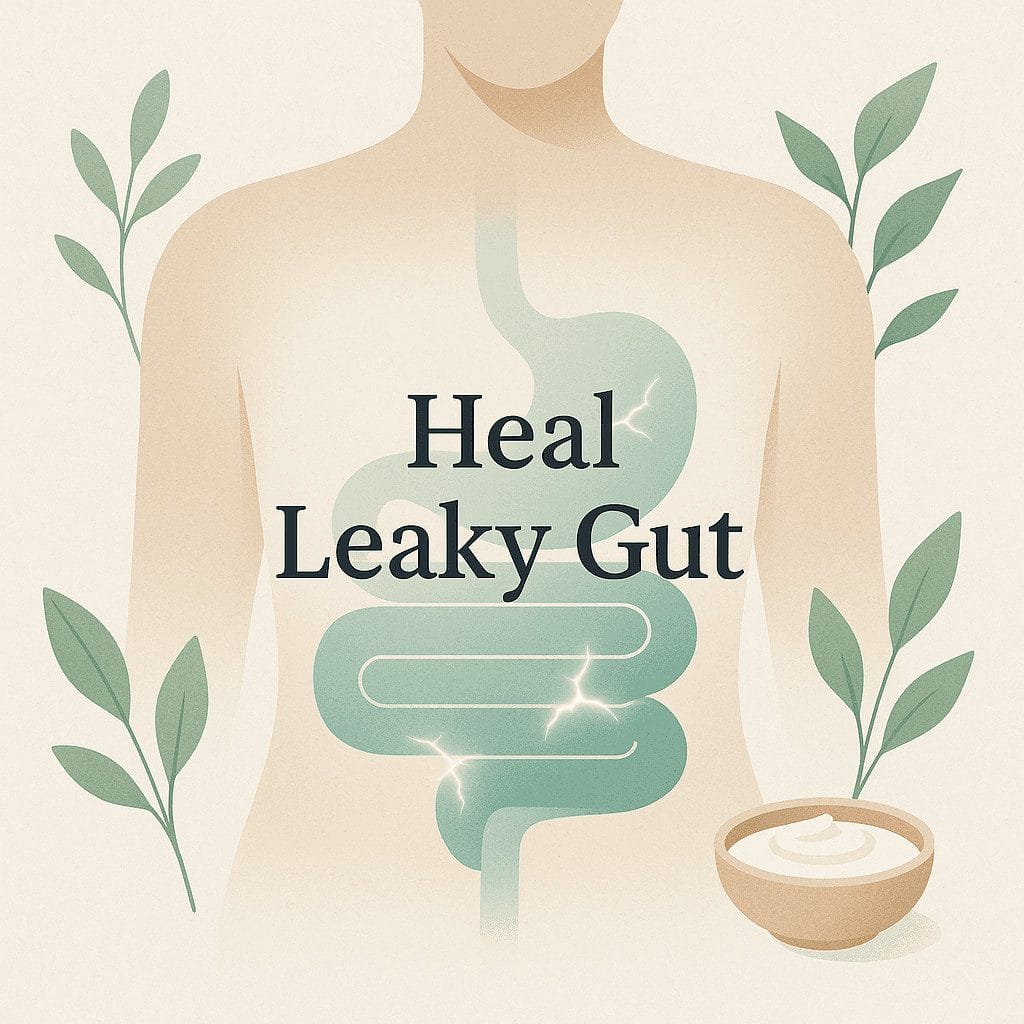
It’s a popular term, and it gets thrown around a lot. But there’s a real, measurable concept underneath it: increased intestinal permeability. In plain English, it means the lining of your small intestine is not doing its barrier job as well as it should, which can lead to more irritation, immune activation, and inflammation in the body.
The good news is this is often very improveable with the right plan.
In this SolidHealthinfo guide, I’ll walk you through what “leaky gut” actually means, why it happens, and the most practical, evidence-informed steps you can take to help your gut lining recover.
Your intestinal lining is like a smart filter.
It’s designed to:
The lining does this with the help of a single layer of cells plus “tight junctions,” which are like tiny door locks between cells.
When the gut is irritated or inflamed, those tight junctions can loosen. That increases permeability, and the immune system may react to things it normally wouldn’t. Over time, this can contribute to symptoms that feel scattered and hard to pin down.
Important note: leaky gut isn’t a stand-alone diagnosis in most regular clinics. It’s more accurate to think of it as a process that can show up alongside other gut issues.
Leaky gut symptoms overlap with many other conditions, so this is not a self-diagnosis checklist. Still, people commonly report:
If you’re reading that and thinking “that’s me,” don’t panic. The next step is focusing on root causes and a simple healing strategy.
Increased intestinal permeability usually isn’t random. It’s typically driven by one or more of these:
Stress hormones can change gut motility, reduce blood flow to digestion, and affect the gut barrier. Poor sleep can amplify inflammation and make symptoms feel worse quickly.
A diet low in fiber and high in ultra-processed foods can starve beneficial bacteria and reduce production of short-chain fatty acids like butyrate, which helps maintain the gut lining. This aligns with findings from recent studies suggesting that dietary choices significantly influence gut health.
Alcohol can irritate the intestinal lining and alter the microbiome. Smoking also affects inflammation and tissue healing.
Common offenders include:
Never stop prescribed medications without talking to your clinician. But it’s worth reviewing whether anything you take regularly could be contributing.
Food poisoning, parasites, SIBO (small intestinal bacterial overgrowth), and certain chronic infections can inflame the lining and keep it reactive.
For some people, gluten, dairy, or other foods are not “bad,” but they may be personally inflammatory when the gut is already irritated.
IBD (Crohn’s, ulcerative colitis), celiac disease, chronic liver disease, uncontrolled diabetes, and others can be associated with permeability changes.

A helpful way to approach leaky gut healing is to stop chasing a single miracle supplement and focus on a phased plan.
Here’s the framework I like:
Let’s go step by step.
You don’t need a perfect diet to heal. You need a consistent one that reduces inflammation and gives your gut a break.
Focus on meals built from:
Protein: eggs, poultry, fish, tofu/tempeh, lean meats, lentils (if tolerated)
Carbs: oats, rice, quinoa, potatoes, sweet potatoes
Fats: olive oil, avocado, nuts/seeds (as tolerated)
Vegetables: cooked carrots, zucchini, spinach, green beans, squash
Fruit: bananas, blueberries, oranges, kiwi (often gentle choices)
Then temporarily reduce the most common irritants:
This is where nuance matters.
A practical approach: remove one category at a time, track symptoms, then re-test later.
Your gut lining renews quickly, but it needs raw materials.
Here are the most helpful food themes for repair:
The gut lining depends on amino acids to rebuild. Many people feel better when they aim for a solid protein portion 2 to 3 times per day.
Examples:
Soluble fiber forms a gel-like texture and can be easier on an irritated gut than rough insoluble fiber.
Good options:
If fiber currently makes you bloated, go low and slow. That’s not failure. It’s just your starting point.
Omega-3s support inflammation balance.
Food sources:
Very low-carb diets can help some people, but for many, they raise stress hormones and worsen constipation. A calm gut often likes steady, simple carbs.
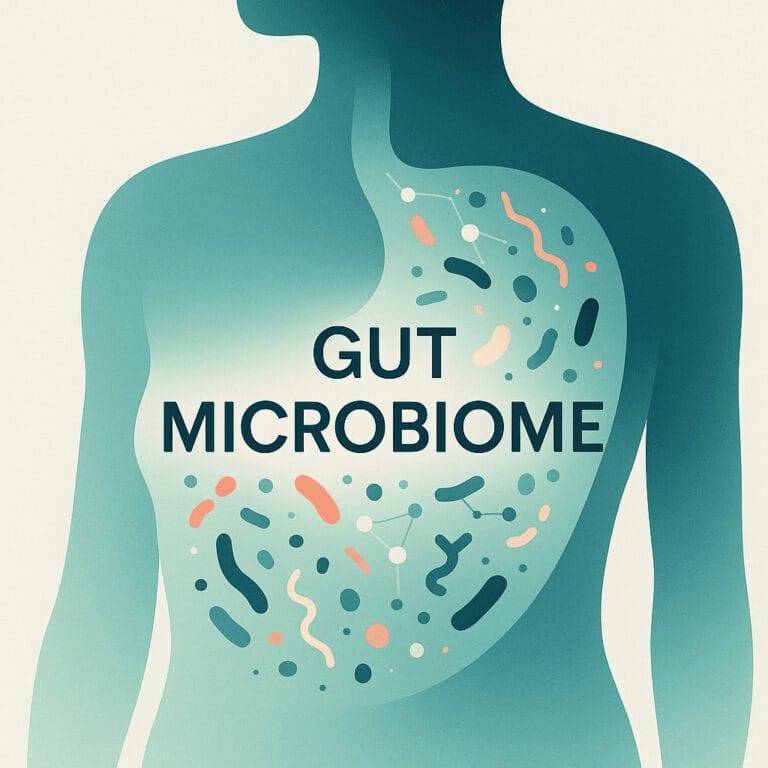
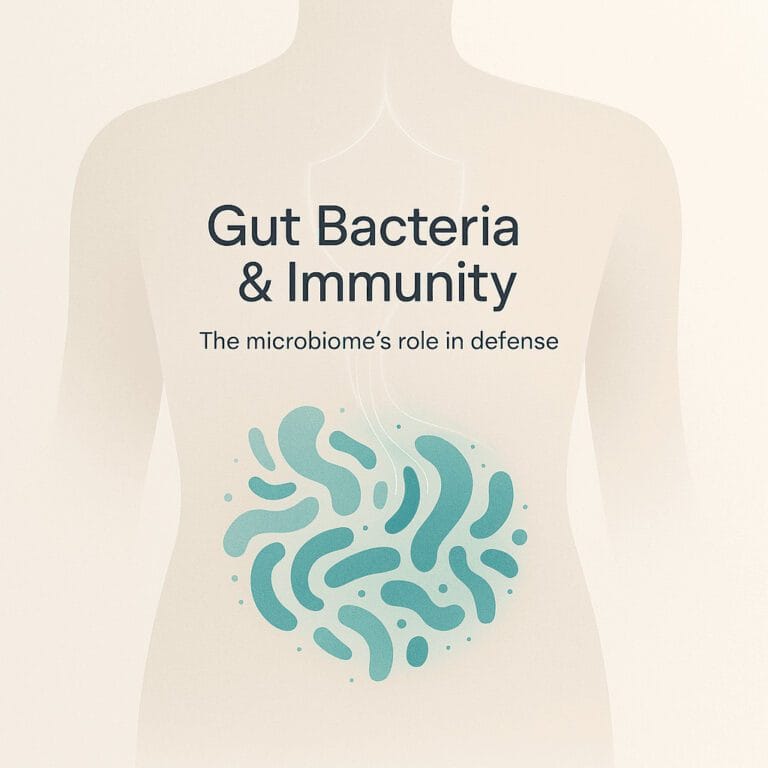
A healthy gut barrier is closely tied to a healthy microbiome. The goal is not “kill all bacteria.” The goal is support the helpful ones.
Prebiotics are fibers your microbes ferment into compounds that nourish the gut lining.
Try adding small amounts of:
If you have IBS, SIBO, or feel worse with these foods, don’t force it. Work with what you tolerate now.
Fermented foods can support microbial diversity, but they can also flare symptoms if you’re histamine sensitive or very inflamed.
Start tiny:
If you feel worse (headaches, flushing, anxiety, itching, insomnia), pause and reassess.
Supplements can help, but they’re not magic, and they’re not all appropriate for everyone. If you want a simple, reasonable short list to discuss with your clinician, here it is.
An amino acid often used to support the gut lining, especially after irritation. Some people notice improved stool quality and less sensitivity.
Often used to support mucosal lining integrity. This is different from regular zinc in terms of how it’s used for the gut.
Helpful if you don’t eat fatty fish regularly.
Low vitamin D is common and can affect immune balance. Best guided by blood testing.
Some people do well with specific strains, others bloat more. If you try one, choose a simple product and track changes for 2 to 4 weeks.
If you suspect SIBO, severe bloating, or histamine issues, probiotics can be tricky. This is a good time to get personalized support.
Quick caution: If you’re pregnant, immunocompromised, have severe chronic illness, or take multiple medications, don’t self-prescribe a stack of supplements. Get guidance.
This is the part many people skip, and it’s why they feel stuck.
You don’t need an hour of meditation. You need a predictable signal to your nervous system that it’s safe.
Try one:
Your gut is wired to your brain through the vagus nerve. Calming the nervous system helps digestion behave more normally.
Aim for:
Overtraining can worsen symptoms in some people. Walking, light strength training, and mobility work are often better during healing.
Constipation increases gut irritation for many people. Hydration, magnesium (if appropriate), soluble fiber, and regular meal timing can help.
A healing plan should not trap you in food fear.
After 3 to 6 weeks of consistency, many people can start reintroducing foods they removed, one at a time.
Here’s a simple method:
This is how you build a diet that’s actually sustainable.
Some symptoms should not be DIY.
Talk to a clinician (and consider a gastroenterology referral) if you have:
You may also want support if you suspect:
A good practitioner can help you identify whether “leaky gut” is a side effect of something else that needs direct treatment.
If you want a clear starting point, try this:
Most people notice at least some signal in 2 weeks: calmer digestion, more stable stools, less reactive symptoms. Deeper healing often takes longer, especially if stress, infections, or chronic inflammation are involved.
Healing leaky gut syndrome is rarely about one magic product. It’s about lowering irritation, nourishing the gut lining, supporting the microbiome, and fixing the lifestyle inputs that keep the system inflamed.
If you take one idea from this article, let it be this: your gut heals best with consistency, not perfection.
Start simple. Track what changes. And if symptoms are intense or persistent, get help looking for the deeper driver behind them.
If you’d like, tell me your top 3 symptoms (and what you typically eat in a day), and I can help you build a more personalized, gut-friendly plan.
Leaky gut, medically known as increased intestinal permeability, means the lining of your small intestine isn’t functioning properly as a barrier. This can allow bacteria, toxins, and partially digested food particles to pass into the bloodstream, causing irritation, immune activation, and inflammation that may disrupt digestion and lead to symptoms like bloating and fatigue.
Common signs include bloating, gas, abdominal discomfort, diarrhea or constipation, new or worsening food sensitivities, reflux or nausea after meals, skin issues like eczema or acne, joint aches, headaches, brain fog, fatigue, low mood, sleep disturbances, and frequent infections. However, these symptoms overlap with many conditions and aren’t a definitive diagnosis on their own.
Leaky gut is often caused by factors such as chronic stress and poor sleep which affect gut barrier function; a highly processed diet low in fiber; alcohol consumption and smoking which irritate the gut lining; certain medications like frequent NSAIDs or antibiotics; gut infections or bacterial overgrowth; personal food triggers causing inflammation; and underlying health conditions such as IBD or celiac disease.
Healing leaky gut involves a phased approach: first removing irritants that inflame your gut; then supporting repair through nutrition and targeted supplements if needed; rebalancing your microbiome with fiber-rich and fermented foods taken carefully; and finally reintroducing foods to personalize your diet without long-term restrictions. Consistency in this plan is key rather than seeking quick fixes.
A 3 to 4 week ‘gut calm’ reset focusing on easy-to-digest meals can help. Include proteins like eggs, poultry, fish, tofu/tempeh; carbohydrates such as oats, rice, quinoa, potatoes; healthy fats from olive oil and avocado; cooked vegetables like carrots and spinach; and fruits including bananas and blueberries. Avoid highly processed foods to reduce inflammation and support your gut lining.
Yes. Chronic stress releases hormones that alter gut motility and reduce blood flow essential for digestion while loosening tight junctions in the intestinal lining. Poor sleep amplifies inflammation making symptoms worse. Managing stress levels and improving sleep quality are important steps in restoring a healthy gut barrier.