Physical Address
304 North Cardinal St.
Dorchester Center, MA 02124
Physical Address
304 North Cardinal St.
Dorchester Center, MA 02124

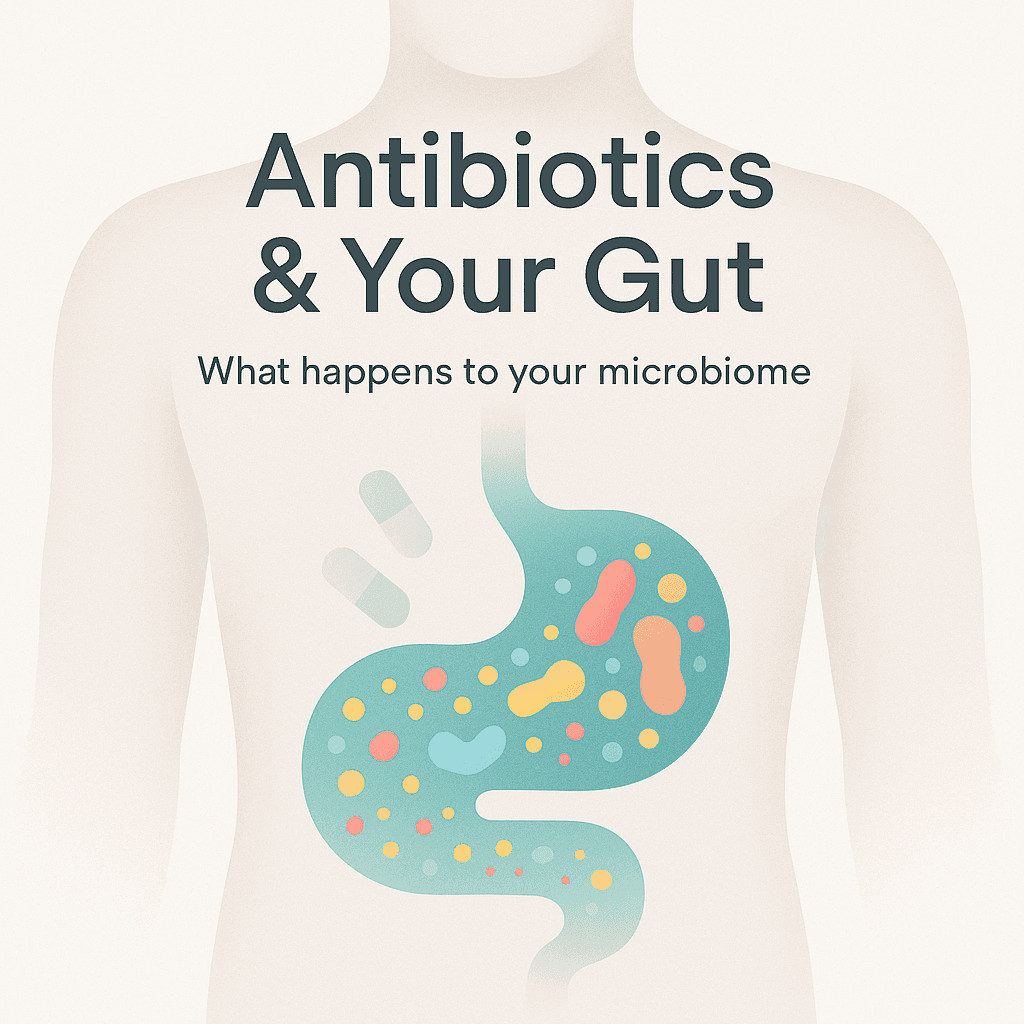
But there’s a tradeoff most people are not warned about clearly enough: antibiotics do not only target the “bad” bacteria causing an infection. They can also disrupt the helpful microbes living in your digestive tract, especially in your large intestine. That disruption can affect digestion, bowel habits, immune balance, and even how you feel day to day.
At SolidHealthinfo, we talk a lot about gut health because it is not just about avoiding bloating. Your gut is an ecosystem. When you change the ecosystem quickly, which is exactly what antibiotics do, you can feel the effects right away or weeks later.
Let’s walk through what actually happens in your gut during and after antibiotics, what symptoms to look out for, and how to support recovery in a practical, realistic way.
Your gut microbiome is the community of bacteria (plus some viruses and fungi) that lives mostly in your colon. You do not need to know the species names to understand the big picture. These microbes:
In a healthy gut, it’s not about having “perfect” bacteria. It’s about balance, diversity, and stability.
Antibiotics can temporarily knock that balance off course.
Many antibiotics are broad-spectrum, meaning they target a wide range of bacteria. They are designed that way because doctors often need to treat an infection before they know the exact bacteria causing it.
The problem is that your gut contains many different helpful species. When antibiotics wipe out large groups at once, the microbiome can become less diverse. Lower diversity often means the gut ecosystem is less resilient, so it is easier for unwanted bacteria to take over.
It is not only about “more bacteria” or “less bacteria.” Antibiotics can selectively reduce certain groups while leaving others relatively untouched.
That selective pressure can lead to:
One of the microbiome’s best jobs is to prevent harmful microbes from getting a foothold. This is called colonization resistance. Your good bacteria protect you by competing for nutrients and space and by producing compounds that keep other microbes in check.
After antibiotics, this protection can drop. That’s one reason some people develop infections like C. difficile (Clostridioides difficile), especially after hospital stays or repeated antibiotic courses.
Not everyone gets C. diff, but the mechanism is important: antibiotics can create an opening for pathogens or opportunistic organisms to expand.
Some antibiotic side effects are not only about the microbiome. Antibiotics can also:
So if you feel off during antibiotics, it might be the microbiome, direct medication effects, or both.
People experience antibiotic gut effects very differently. Some barely notice anything. Others feel it within a day or two.
Here are common gut-related symptoms:
A key point: mild digestive changes can be normal during a course of antibiotics. But certain red flags deserve medical attention quickly.
Contact a healthcare professional promptly if you have:
These can be signs of C. difficile infection or another complication that should not be managed at home.
There is no single timeline.
Some people feel normal within a week. Others notice changes for weeks. Research suggests that parts of the microbiome can rebound relatively quickly, but certain species may take longer to return, and some shifts can linger for months depending on:
Think of it like a lawn. After a storm, the grass may look fine quickly, but the mix of plants in the soil can be different for a while. Your gut can “look” normal on the outside, while still rebuilding its internal balance.
In general, broad-spectrum antibiotics tend to have a larger microbiome impact than narrow-spectrum ones. But it’s not just the spectrum. Individual drugs differ in how they are absorbed and how much reaches the colon.
Also, the same antibiotic can affect two people differently.
The main practical takeaway is not to fear specific names. It is to use antibiotics appropriately, only when needed, and to support your gut during and after treatment.

Sometimes, yes.
Certain probiotics have been shown to reduce the risk of antibiotic-associated diarrhea in some people. Two of the most studied are:
That said, probiotics are not universally helpful for everyone, and quality varies widely. Also, people who are immunocompromised, critically ill, or have central venous catheters should only use probiotics under medical guidance, because rare complications can occur.
If you choose to take a probiotic, two practical tips often help:
If probiotics make you more bloated or uncomfortable, that is a useful signal. It may not be the right product for you, or your gut may do better with food-based support first.
Your beneficial microbes rely heavily on dietary fiber. Fiber is not one thing. It is a category that includes many types of plant compounds. When your microbes ferment certain fibers, they produce short-chain fatty acids that help strengthen the gut barrier and reduce inflammation.
After antibiotics, many people do best with a “gentle ramp up”:
If you jump from low fiber to very high fiber overnight, bloating is more likely. Slow and steady usually wins.
Fermented foods can support microbial diversity for many people, and they add live microbes and helpful compounds.
Examples include:
If you tolerate them, they can be a simple addition during recovery. If they worsen symptoms, do not force it. People with histamine sensitivity or active IBS symptoms sometimes react to fermented foods.
You do not need a complicated protocol. During a course of antibiotics, the goal is to:
A practical approach looks like this:
Focus on:
Go easy on (if symptoms flare):
You can still eat normally if you feel fine. The point is to respond to your body’s signals, not to follow rigid rules.
Some people develop symptoms after antibiotics that get labeled “yeast overgrowth,” especially vaginal yeast infections or oral thrush. Those are real and common enough, because antibiotics can reduce bacteria that normally keep yeast in check.
In the gut, the topic gets more complicated. Candida exists in many people without causing problems. Antibiotics can shift the balance in ways that may contribute to symptoms in some individuals, but it is easy to over-diagnose this concept online.
If you suspect a yeast infection (vaginal itching, discharge changes, oral white patches, soreness), it is worth getting proper treatment and guidance rather than guessing.
Here’s the balanced truth: if you need antibiotics, you should take them as prescribed. The goal is not to avoid antibiotics at all costs. The goal is to use them wisely.
Antibiotics do not treat viruses like colds, flu, or most sore throats. If your clinician says it is likely viral, pushing for antibiotics can do more harm than good.
Sometimes doctors can choose a more targeted antibiotic once they know what is causing the infection. This is not always possible, but it is a reasonable question.
Skipping doses or stopping early can contribute to relapse and antibiotic resistance, which may lead to needing even stronger antibiotics later.
If you develop severe diarrhea or other concerning symptoms, contact your clinician sooner rather than later. Do not “push through” severe symptoms.
If you want a simple plan that works for most people, try this for the next 2 to 4 weeks after finishing your course:
If you already have IBS, IBD, SIBO, or a history of C. diff, it’s worth being more personalized and discussing strategies with your healthcare provider.
For many people, the gut rebounds and things settle.
But repeated antibiotic exposure, especially in short time windows, can increase the chance of longer-lasting microbiome shifts. That does not mean you are “ruined.” It means you may need more intentional recovery time with diet, lifestyle, and sometimes clinical support.
If you notice symptoms like persistent diarrhea, ongoing bloating, new intolerances, or unexplained fatigue that continues for more than a few weeks after antibiotics, it is reasonable to check in with a professional. Sometimes what looks like “my gut is off” is actually a treatable issue like post-infectious IBS, bile acid diarrhea, lactose intolerance after a gut hit, or lingering inflammation.
Antibiotics are powerful tools, and they save lives. They also disrupt the gut microbiome in ways that can cause diarrhea, bloating, cramping, or longer recovery periods, especially after broad-spectrum or repeated courses.
The most helpful mindset is not fear. It is preparedness.
If you need antibiotics, take them responsibly, watch for red flags, and then support your gut’s recovery with fiber-rich foods, hydration, and steady habits. In many cases, that simple approach does more for your microbiome than any trendy supplement stack.
If you want, tell me which antibiotic you’re taking (and for how long) and what symptoms you’re noticing, and I can suggest a more specific, gut-friendly recovery plan to discuss with your clinician.
The gut microbiome is a community of bacteria, viruses, and fungi primarily residing in your colon. It helps break down fibers your body can’t digest, produces short-chain fatty acids like butyrate to support the gut lining, trains and regulates the immune system, keeps opportunistic microbes in check, supports vitamin production and bile metabolism, and influences gut motility and sensitivity. Maintaining balance, diversity, and stability in this ecosystem is crucial for digestive and immune health.
Many antibiotics are broad-spectrum and target a wide range of bacteria to treat infections quickly. However, this can reduce the diversity of beneficial bacteria in your gut by wiping out large groups at once. Lower diversity makes the gut ecosystem less resilient, which can allow unwanted or harmful bacteria to take over, disrupting digestive balance and immune function.
Common gut-related symptoms during or after antibiotic use include diarrhea (antibiotic-associated diarrhea), loose stools or urgency, bloating and gas, abdominal cramps, nausea, constipation (less common), new or worsened acid reflux, and changes in how food moves through your digestive tract. These symptoms vary among individuals but are often signs of shifts in your gut microbiome or direct effects of the medication.
You should promptly contact a healthcare professional if you experience severe watery diarrhea occurring many times a day, diarrhea accompanied by fever, blood or mucus in stool, worsening significant abdominal pain, signs of dehydration such as dizziness or very dark urine, or diarrhea that starts during antibiotic treatment and continues beyond a few days after finishing. These could be signs of serious infections like Clostridioides difficile that require immediate care.
Yes. Antibiotics can weaken ‘colonization resistance,’ which is your good bacteria’s ability to prevent harmful microbes from establishing themselves by competing for nutrients and space. When this protection decreases after antibiotic use, it creates an opening for pathogens like Clostridioides difficile (C. diff) to expand, potentially leading to severe infections especially after hospital stays or repeated antibiotic courses.
Recovery time varies widely among individuals. Some people feel normal within a week after finishing antibiotics; others may notice changes lasting weeks or even months. Research shows parts of the microbiome can rebound relatively quickly while certain bacterial species may take longer to return. Factors influencing recovery include the type of antibiotic used and individual differences in microbiome resilience.