Physical Address
304 North Cardinal St.
Dorchester Center, MA 02124
Physical Address
304 North Cardinal St.
Dorchester Center, MA 02124

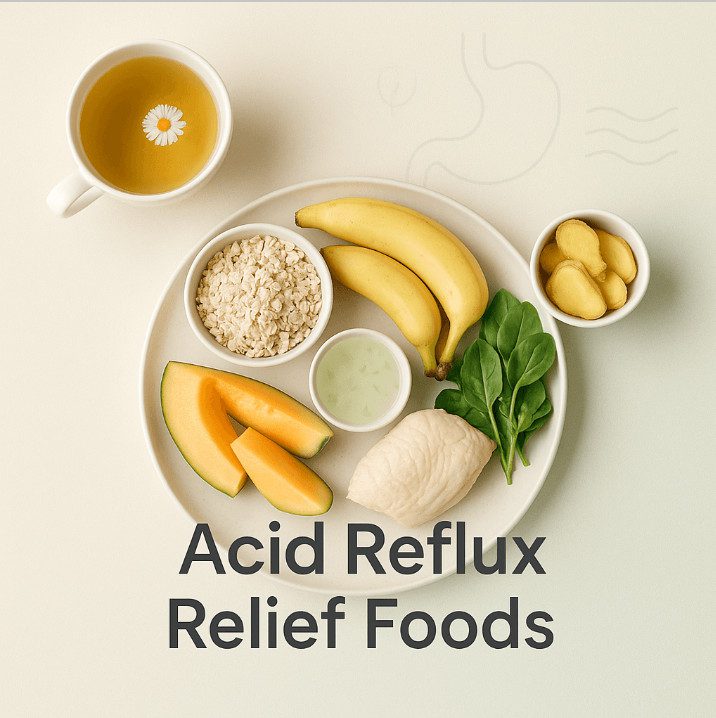
 If you deal with acid reflux, you already know the pattern. You eat something that seemed “safe,” and then the burning starts. Or you lie down at night and feel that uncomfortable rise in your chest and throat. It can be frustrating, and it can make food feel like a guessing game.
The good news is that food can also be part of the solution.
Acid reflux happens when stomach contents move upward into the esophagus. Sometimes that’s because the lower esophageal sphincter (the “valve” between your stomach and esophagus) relaxes at the wrong time. Sometimes it’s pressure in the abdomen, a slower-moving stomach, irritation from acidic or spicy foods, or a mix of factors.
This guide focuses on the best foods for acid reflux relief, plus simple ways to eat them so they actually help. Since SolidHealthinfo focuses on gut health, I’ll also point out how these choices support digestion more broadly, not just reflux symptoms.
There is no single “GERD diet” that works for everyone. Two people can eat the same food and have totally different outcomes. So think of the list below as your starting point, then personalize it using a simple symptom journal.
Also, if you have frequent reflux (more than twice a week), trouble swallowing, unexplained weight loss, vomiting, black stools, anemia, or chest pain, get medical advice. Reflux is common, but persistent symptoms deserve a proper check.
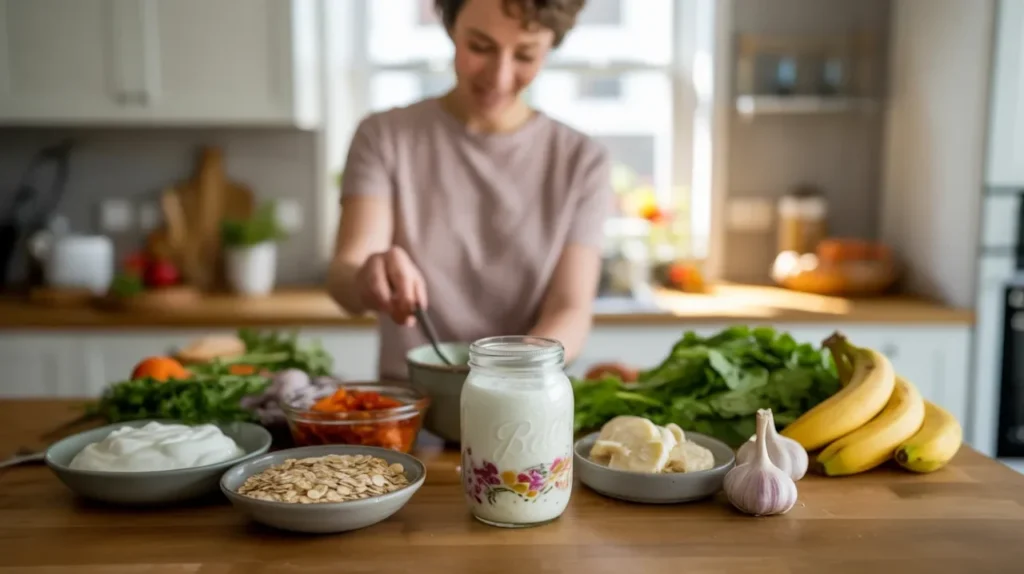
Most foods that calm reflux share a few traits:
Now let’s get into the foods that tend to help most.
If you want one simple breakfast that works for many reflux-prone people, it’s oatmeal.
Why it helps: Oats are filling, relatively low-fat, and high in soluble fiber. Fiber can help move food through the digestive tract and reduce the chance of reflux triggered by overeating or slow digestion.
How to eat it for reflux relief:
Other helpful grains:
Tip: Large portions can still trigger symptoms, even if the food is “safe.” Keep grain portions moderate and add lean protein for balance.
Bananas are a classic reflux-friendly fruit for a reason.
Why they help: They’re low-acid, soft, and easy on the stomach for many people. They can also help you avoid common fruit triggers like citrus.
Best ways to use them:
If very ripe bananas trigger bloating for you, try slightly less ripe ones and smaller portions.
Melons are often well tolerated.
Why they help: They’re generally low-acid and high in water, which can feel soothing and lighter after meals.
How to eat them:
If watermelon makes you feel too “full,” switch to smaller servings or try cantaloupe/honeydew.
Raw fruit can be tricky for some people, but apples and pears are often easier than citrus, pineapple, or tomatoes.
Why they help: They’re low to moderate acid and provide gentle fiber.
Best approach: If raw fruit bothers you, try:
Cooked fruit is softer, easier to digest, and often less irritating.
Vegetables are a big win for reflux, especially when they’re not spicy or heavily fried.
Why they help: Most vegetables are low in fat and sugar, and they support overall gut motility through fiber and water content.
Great reflux-friendly choices:
How to eat them: Steaming, roasting (light oil), or sautéing gently tends to work better than deep frying.
One important note: raw salads can cause bloating for some people. If that’s you, switch to cooked vegetables for a couple of weeks and see if symptoms improve.
Broccoli, cauliflower, Brussels sprouts, and cabbage are nutritious, but they can create gas in some people, which increases abdominal pressure and may worsen reflux.
Why they can help: They’re low-acid and packed with fiber and phytonutrients that support gut health overall.
How to make them easier on reflux:
If they consistently worsen symptoms, don’t force them. Choose other vegetables and come back later.
These are comfort foods that often feel genuinely calming during a reflux flare.
Why they help: They’re bland, filling, and low-acid. Sweet potatoes also provide fiber that supports digestion.
Reflux-friendly ways to eat them:
Skip deep-fried versions, heavy cream sauces, and very spicy seasonings.
Ginger is one of the most talked-about natural options for digestive discomfort.
Why it helps: Ginger may support gastric motility and can feel soothing for nausea and indigestion. For some people, it reduces the “heavy stomach” feeling that can contribute to reflux.
How to use it without aggravating symptoms:
Some people find ginger too “hot” or stimulating. Start small.
Protein helps you feel satisfied, but the type and cooking method matter.
Why it helps: Lean proteins are less likely to slow digestion compared to high-fat cuts of meat or fried proteins.
Good choices:
What to avoid (or reduce):
A simple reflux-friendly plate is lean protein + cooked veggies + a gentle grain.
This is a “maybe” category. Some people find yogurt soothing. Others find dairy triggers reflux.
Why it can help: Fermented dairy contains probiotics, which may support gut balance. A calmer gut can mean less bloating and pressure, which can indirectly help reflux for some people.
How to choose:
If dairy triggers you, skip this and try non-dairy options like unsweetened coconut or almond yogurt (watch for added acids and gums if you’re sensitive).
Fat is not the enemy, but large amounts of fat can worsen reflux because it can slow stomach emptying and relax the lower esophageal sphincter in some people.
Reflux-friendlier fat sources (in small portions):
If you suspect fats trigger you, reduce portion size rather than cutting them out completely.
Warm liquids can feel comforting, but pick the right ones.
Often well tolerated:
Be careful with:
If you’re using herbal teas regularly and you take medications, it’s smart to double-check interactions with a pharmacist.
Soups can be one of the easiest ways to eat during a flare.
Why they help: They’re hydrating, easy to chew, and usually lower in fat if you keep them broth-based.
Great reflux-friendly soup ideas:
Avoid tomato-based soups and very creamy soups if those trigger you.
In addition to these recommendations, it’s important to consider your overall diet during challenging times. You might want to explore 15 foods to keep stocked when facing cancer, which include items that are generally soothing and easy on the stomach.
Even if you came here for the “best foods,” it helps to know what commonly causes problems so you can test strategically.
Common reflux triggers include:
You don’t necessarily need to avoid all of these forever. Many people do better by removing the biggest suspects for 2 to 3 weeks, then reintroducing one at a time.
Even “safe” foods can backfire if meal timing and portions are working against you. These habits make a big difference:
Big meals stretch the stomach and increase pressure upward. Try smaller meals, especially at dinner.
Give yourself 2 to 3 hours between your last meal and bed when possible.
Fast eating introduces more air and often leads to overeating. Both can worsen reflux.
Some people do better sipping liquids between meals rather than chugging a big drink with food, which increases stomach volume.
Baked, steamed, boiled, grilled, and lightly sautéed foods usually work better than fried or heavily charred foods.
Use this as inspiration and swap ingredients based on what you tolerate.
Breakfast: Oatmeal with banana slices and a small sprinkle of ground flax
Snack: Melon or a pear (or applesauce if raw fruit bothers you)
Lunch: Grilled chicken, brown rice, and steamed zucchini + carrots
Snack: Plain low-fat yogurt (or non-dairy alternative) with sliced banana
Dinner: Baked fish, roasted sweet potato, and sautéed spinach
Evening: Chamomile tea (not mint), and no food within 2 to 3 hours of bed
Reflux is not only about stomach acid. It’s also about pressure, digestion speed, inflammation, and sensitivity.
When your gut is irritated or sluggish, you’re more likely to experience bloating and delayed stomach emptying. That extra pressure can push contents upward and make reflux feel worse. That’s why reflux-friendly eating often overlaps with gut-friendly eating: gentle fiber, lean proteins, cooked vegetables, and calmer meal patterns.
If you also deal with constipation, it’s worth addressing it directly. For many people, improving bowel regularity reduces abdominal pressure and improves reflux symptoms.
The best foods for acid reflux relief are usually simple, low-acid, lower-fat, and easy to digest: oatmeal, bananas, melons, cooked apples/pears, mild vegetables, potatoes, lean proteins, broth-based soups, and non-mint herbal teas.
Start with a small set of these foods for a couple of weeks, keep portions moderate, and pay attention to timing, especially in the evening. Then slowly expand your menu based on what your body handles well.
If you want, tell me what a typical day of eating looks like for you and when your reflux hits hardest (after dinner, at night, after coffee, etc.). I can suggest a reflux-friendlier version that still feels like your normal diet.
Acid reflux occurs when stomach contents move upward into the esophagus, often due to the lower esophageal sphincter relaxing at the wrong time, abdominal pressure, slower stomach emptying, or irritation from acidic or spicy foods. This can cause a burning sensation in the chest and throat, making digestion uncomfortable.
Yes, certain foods can help relieve acid reflux by being lower in acid and spice, lower in fat, containing gentle fiber to aid digestion, having higher water content, and possessing a soothing texture. Examples include oatmeal, bananas, melons like cantaloupe and watermelon, non-citrus apples and pears (especially cooked), and mild leafy greens and vegetables.
Oatmeal is filling, relatively low-fat, and high in soluble fiber which helps move food through the digestive tract and reduces the chance of reflux triggered by overeating or slow digestion. It should be cooked soft with water or low-fat milk and topped with reflux-friendly add-ons like banana slices or ground flax for best results.
Bananas are low-acid, soft, and easy on the stomach for many people. They serve as a good alternative to acidic fruits like citrus. Eating bananas as a snack between meals, sliced into oatmeal, or blended into smoothies can help manage reflux symptoms effectively.
If raw apples and pears cause discomfort, try consuming them cooked such as baked apple slices, stewed pears, or unsweetened applesauce. Cooking makes these fruits softer and easier to digest while reducing irritation associated with acid reflux.
Vegetables should be steamed, roasted with light oil, or gently sautéed rather than deep-fried. Since raw salads can cause bloating for some people with reflux issues, switching to cooked vegetables like spinach, kale, green beans, zucchini, asparagus, and carrots may improve symptoms.