Physical Address
304 North Cardinal St.
Dorchester Center, MA 02124
Physical Address
304 North Cardinal St.
Dorchester Center, MA 02124

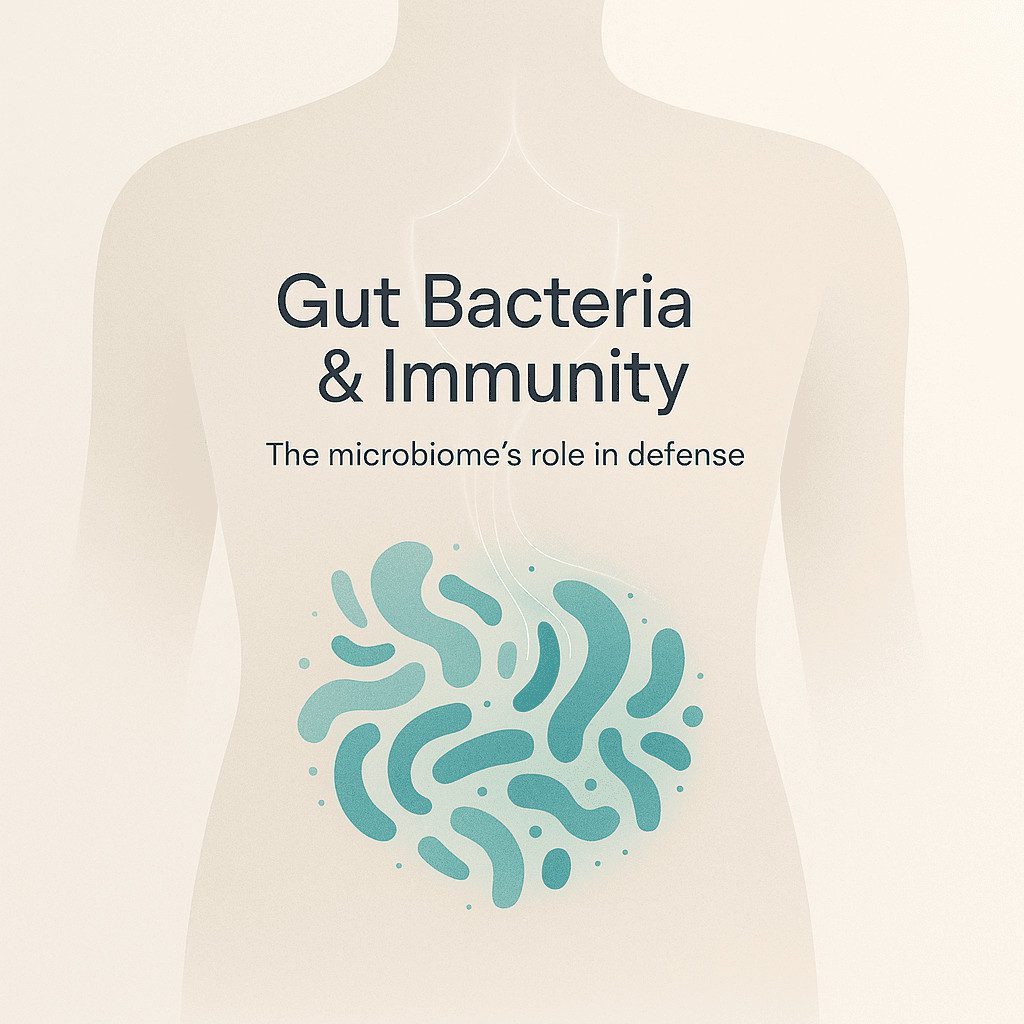
A huge portion of your immune system isn’t in your throat or lungs. It lives alongside your digestive tract, where it’s constantly interacting with trillions of microbes (mostly bacteria) that make up your gut microbiome. These bacteria are not just passengers. They help train your immune system, shape inflammation, protect you from pathogens, and even influence how you respond to infections and vaccines.
Let’s break down how gut bacteria affect immunity in a clear, practical way, and what you can do to support both.
Your intestines have the biggest surface area where the outside world meets your inside world. Food, drinks, medications, and microbes all pass through. Because of that, your body places a large part of its immune defenses right there.
In fact, a major chunk of immune cells is found in gut-associated lymphoid tissue (GALT), which lines the digestive tract. This immune tissue constantly “talks” to your gut microbes.
That conversation matters because your immune system has two big jobs that often conflict:
A healthy gut microbiome helps your immune system strike that balance.
Gut bacteria influence immunity in several overlapping ways. Think of them as teachers, builders, and security guards all at once.
Early in life, your immune system is learning what’s dangerous and what’s normal. Gut microbes help “educate” immune cells so they don’t overreact to harmless triggers but can still mount a strong response when needed.
When the microbiome is diverse and stable, the immune system tends to be better regulated. When the microbiome is disrupted (often called dysbiosis), immune regulation can get messy, which may contribute to excess inflammation or sensitivity.
This helps explain why the microbiome is often discussed in the context of allergies and autoimmune conditions. It’s not that gut bacteria are the only cause, but they are a key part of the immune training environment.
Your gut lining is like a selectively permeable wall: it lets nutrients in and keeps unwanted stuff out. Gut bacteria support that barrier in a few major ways:
When the barrier is compromised, irritants and microbial fragments can pass through more easily and trigger immune activation. You might hear this described as increased intestinal permeability. Regardless of the label, the key point is simple: a healthier gut lining reduces unnecessary immune stress.
Many beneficial gut bacteria ferment dietary fiber and resistant starch to produce short-chain fatty acids (SCFAs) like butyrate, acetate, and propionate.
These compounds are a big deal for immunity because they:
This is one reason fiber is often called “immune-supportive.” You are not just feeding yourself. You’re feeding the microbes that make compounds your immune system depends on.
Your gut bacteria also protect you through “colonization resistance,” meaning they make it harder for harmful microbes to take over. They do this by:
When the microbiome is depleted, opportunistic pathogens have more room to expand. A classic example is when antibiotics disrupt the microbiome and increase the risk of certain infections.
The gut is local, but its effects aren’t. Signals from the microbiome can influence systemic inflammation, which is linked to everything from metabolic health to cardiovascular function.
The immune system uses chemical messengers (cytokines and other signaling molecules) to coordinate responses. Your microbiome can tilt these signals toward a more balanced, regulated state or toward a more inflammatory one, depending on what’s happening in the gut.
In practical terms: when gut bacteria are supported, many people notice fewer inflammatory “flare” patterns, though individual experiences vary.
A quick mindset shift that helps: a good immune system is not one that is always aggressive. It’s one that is smart.
Gut bacteria help with immune calibration, not just immune “boosting.” That’s a more accurate way to think about it.
There’s no single symptom that proves your microbiome is unhealthy, but patterns can be clues. Some common ones include:
These symptoms can have many causes, so the point isn’t to self-diagnose. It’s to recognize when gut support might be worth addressing.
Many everyday factors can shift the microbiome quickly, sometimes within days.
Antibiotics can be lifesaving, but they are not selective. They can reduce beneficial bacteria along with harmful ones, sometimes leading to temporary dysbiosis. This disruption in gut microbiota can affect immune balance and gut barrier function in the short term. Recovery varies by person, antibiotic type, dose, and diet.
Gut microbes need fermentable fibers to produce SCFAs and maintain diversity. Diets low in plant variety and high in refined carbs, emulsifiers, and additives may reduce microbial diversity for some people.
Stress hormones and disrupted circadian rhythms can influence gut motility, secretions, and immune signaling, all of which shape the microbiome.
Alcohol can irritate the gut lining and alter microbial balance, especially with higher or frequent consumption.
Acute gastrointestinal infections and major changes in environment, food, and water can shift the microbiome, sometimes for weeks.
You do not need perfection here. The most effective approach is consistent, gut-friendly habits that feed beneficial microbes and support the gut barrier.
Different microbes like different fibers. A broader range of plant foods tends to support a more diverse microbiome.
Aim for variety across the week, such as:
If you’re currently low-fiber, increase slowly and drink enough water to avoid discomfort.
Fermented foods can introduce helpful microbes and support microbial activity. Options include:
Start small, especially if you’re prone to bloating, and see how you feel.
Prebiotics are fibers that beneficial bacteria like to eat. Foods rich in prebiotics include:
This is where many people get the biggest payoff because prebiotics support SCFA production.
Gut barrier and immune function depend on nutrients like zinc, vitamin D, vitamin A, vitamin C, selenium, iron, and protein.
A gut-focused diet still needs solid basics: adequate protein, colorful produce, and healthy fats.
If you suspect a deficiency (especially vitamin D), it’s worth discussing testing with a clinician.
Your gut and immune system respond to your nervous system. Practical steps that help:
This isn’t “wellness fluff.” It’s immune regulation support.
Never avoid antibiotics when they’re medically necessary. Instead:
Probiotics can help in specific situations, but they are not one-size-fits-all. Effects depend on the strain, dose, and your individual gut environment.
Situations where certain probiotics may be helpful include antibiotic-associated diarrhea or some IBS patterns, but it’s best to choose evidence-based strains and get guidance if symptoms are significant.
A simple rule: food first, targeted supplements second.
A lot of immune marketing is based on the idea that more immune activity is always better. In reality, you want a balanced immune response.
Supporting gut bacteria through diet, sleep, and stress regulation tends to be a safer, more foundational approach than chasing aggressive “boosters,” especially if you have inflammatory or autoimmune tendencies.
If you’re considering supplements, it’s wise to focus on basics and verified needs (like vitamin D if low), and discuss complex stacks with a qualified professional.
Here’s the big picture:
And the best part is that many of the most effective ways to support your microbiome are simple and accessible: more plant diversity, enough fiber, fermented foods if tolerated, consistent sleep, stress support, and thoughtful use of medications.
If SolidHealthinfo had to sum this up in one line, it would be this: your immune system and your gut bacteria are teammates. When you take care of the microbes in your gut, you’re not just improving digestion. You’re supporting the immune system that protects you every day.
If you want a practical place to start this week, try this:
Small changes, repeated often, are where gut health and immunity really improve.
Your gut microbiome, composed of trillions of bacteria, plays a crucial role in shaping your immune system. These bacteria help train immune cells to respond appropriately, regulate inflammation, protect against pathogens, and influence how your body reacts to infections and vaccines.
The gut has the largest surface area where external substances like food, drinks, and microbes interact with your body. A significant portion of immune cells reside in the gut-associated lymphoid tissue (GALT), making it a key site for immune defense and communication with gut microbes to maintain balance between attacking harmful invaders and tolerating harmless substances.
Short-chain fatty acids (SCFAs) such as butyrate, acetate, and propionate are compounds produced by beneficial gut bacteria when they ferment dietary fiber. SCFAs fuel colon cells, maintain the gut barrier, promote anti-inflammatory immune signaling, and encourage regulatory immune cells that keep inflammation in check, thereby supporting a healthy immune system.
An imbalanced or disrupted gut microbiome (dysbiosis) can lead to poor immune regulation, resulting in excessive inflammation or sensitivity. This may contribute to digestive discomfort, increased food sensitivities, recurring infections, chronic inflammation, allergies, or autoimmune conditions due to impaired training and calibration of your immune system.
Gut bacteria protect you through colonization resistance by competing with harmful microbes for space and nutrients, producing inhibitory compounds against pathogens, and maintaining a favorable gut environment. When the microbiome is depleted—such as after antibiotic use—opportunistic pathogens can more easily take over and increase infection risk.
Supporting your gut microbiome involves consuming a diverse diet rich in dietary fiber and resistant starch to nourish beneficial bacteria that produce immune-supportive compounds like SCFAs. Avoiding excessive antibiotics and ultra-processed foods also helps maintain microbiome diversity. A balanced microbiome promotes smart immune calibration rather than just boosting immunity.