Physical Address
304 North Cardinal St.
Dorchester Center, MA 02124
Physical Address
304 North Cardinal St.
Dorchester Center, MA 02124

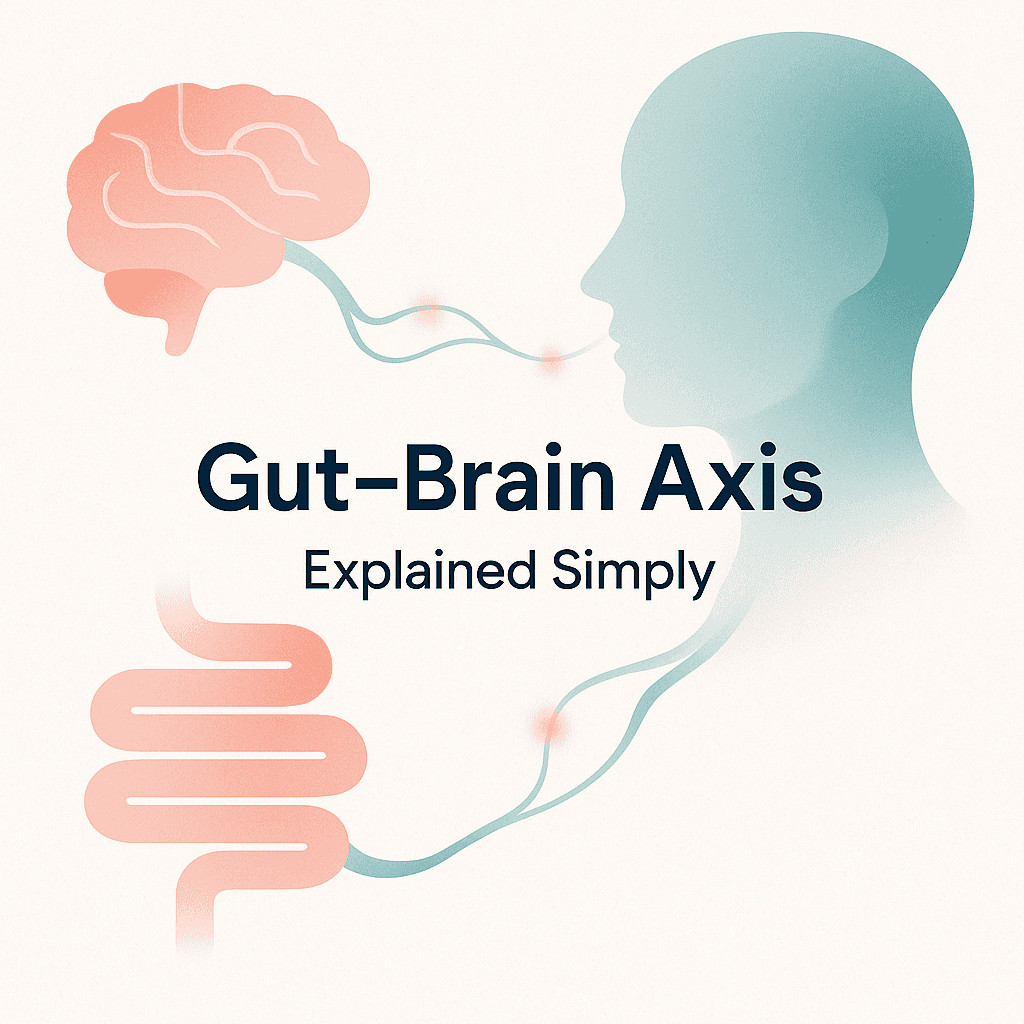
The gut-brain axis is simply the constant two-way communication between your digestive system and your brain. It’s not “woo.” It’s biology. And once you understand the basics, a lot of confusing symptoms start to make more sense, like why stress can trigger bloating, or why poor sleep can mess with your appetite the next day.
Since SolidHealthinfo focuses on gut health and gut-related issues, this guide will keep things practical, clear, and grounded in what we actually know.
The gut-brain axis is the connection between:
Think of it like a busy phone line that never hangs up. Your gut is constantly sending updates to your brain about digestion, inflammation, safety, hunger, fullness, and even what kind of energy is available. At the same time, your brain sends signals back that influence gut movement, stomach acid, enzyme release, gut permeability, and pain sensitivity.
Your gut contains a huge network of nerves called the enteric nervous system. It helps control:
This is why gut symptoms can feel intense and “real,” even when tests come back normal. In many cases, the issue is not structural damage, but signaling and sensitivity. The gut and brain can get stuck in a loop where the gut becomes more reactive and the brain becomes more alert to gut sensations.
A few key systems do most of the communication work.
The vagus nerve is a major nerve that runs from your brainstem down through your chest into your abdomen. It carries information both ways. A lot of the messaging is actually gut-to-brain, meaning your gut is informing your brain far more than you might expect.
When vagal signaling is running smoothly, it supports:
When it’s not, you can see more stress sensitivity, irregular digestion, and a gut that feels “on edge.”
Neurotransmitters are chemical messengers. You’ve probably heard of serotonin as a “mood chemical,” but here’s the twist: a large amount of serotonin activity is tied to the gut.
In the gut, serotonin helps regulate:
Other neurotransmitters involved in the gut-brain axis include GABA, dopamine, and norepinephrine, plus many gut-produced compounds that affect brain function indirectly.
When you’re stressed, your body activates the HPA axis (hypothalamus-pituitary-adrenal axis). This increases hormones like cortisol and changes how your digestion works.
In short, stress can:
This is why chronic stress so often shows up as chronic gut issues.
Your gut is one of the biggest immune “hotspots” in your body. If the gut lining is irritated or the immune system is activated, inflammatory signals can travel to the brain and influence:
This doesn’t mean every gut symptom is inflammation, but it does mean inflammation is one way the gut can influence how you feel mentally.
Your gut microbes help break down food, produce vitamins, train your immune system, and make compounds that can influence nervous system signaling.
Microbes produce short-chain fatty acids (like butyrate) when they ferment fiber. These compounds can support gut lining integrity and help regulate inflammation, which indirectly affects brain signaling.
Your microbiome also influences gas production, stool patterns, and how your gut reacts to certain foods. Over time, that can shape stress sensitivity and comfort levels in your digestive tract.
One of the most frustrating parts of gut issues is how inconsistent they can be. You eat the same meal, but one day you’re fine and the next day you’re bloated and uncomfortable.
The gut-brain axis is a big reason.
Your symptoms can shift based on:
This is also why purely diet-based approaches sometimes hit a wall. Food matters, but the nervous system environment matters too.
When this system is out of balance, it can show up in many ways, including:
Important note: these symptoms can also be caused by medical conditions that need diagnosis. If symptoms are severe, persistent, or changing quickly, it’s smart to get checked.
No, and this is worth saying clearly.
Gut-brain axis issues are not imaginary. They’re real physical signals involving nerves, muscles, immune responses, and chemical messengers. The brain is part of the digestive system’s control center. That doesn’t reduce your symptoms. It explains them.
A helpful way to think about it is: the gut and brain are a team, and sometimes the team gets stuck in a bad feedback loop.
Here’s a very common pattern:
Breaking this loop often requires working on both sides: gut basics (food, regularity, inflammation triggers) and nervous system basics (stress response, breathing, sleep, pacing).
IBS is one of the best-known examples where the gut-brain axis plays a big role.
Many people with IBS have:
This doesn’t mean IBS is “caused by stress.” It means stress often acts like fuel on an already sensitive system.
The relationship goes both ways:
If you’ve been stuck in a loop of gut issues plus anxious thoughts, it’s not a character flaw. It’s a system that’s been on high alert for too long.
There’s no single magic supplement or one “perfect” diet here. The goal is to create a calmer, more predictable environment for your gut and nervous system.
If you do only one thing, do this: slow meals down.
Try:
This supports vagal activity and helps your digestive system do its job.
The gut-brain axis responds well to predictable routines.
Helpful anchors:
This is not about being strict. It’s about giving your system fewer surprises.
Sleep impacts motility, appetite hormones, and stress chemistry.
If your gut is sensitive, aim for:
Even a small sleep improvement can noticeably change gut symptoms.
Fiber supports beneficial microbes and short-chain fatty acid production. But if your gut is reactive, sudden fiber increases can backfire.
A better approach:
Fermented foods (like yogurt, kefir, kimchi, sauerkraut) help some people and irritate others, especially if histamine sensitivity or IBS flares are involved.
If you try them:
Exercise is great for gut motility and stress regulation, but intensity matters.
Often helpful for gut-brain balance:
If intense workouts worsen symptoms, it may be a sign your system needs a calmer starting point.
A few proven ways to tell your body “we’re safe”:
These aren’t pretending the problem is mental. They are directly working with the nervous system side of digestion.
Probiotics can help, but they’re not universally tolerated, and the best strain depends on the person and the goal.
If you’re prone to bloating or histamine-like reactions, start low and go slow. Also remember that basics often matter more than products: sleep, meal pace, and consistency are the unglamorous heavy hitters.
If you’re considering supplements for IBS, reflux, or chronic constipation/diarrhea, it’s best to do it with guidance, especially if symptoms are persistent.
Gut-brain axis explanations are useful, but they should not replace proper evaluation.
Talk to a clinician promptly if you have:
Also consider evaluation if your symptoms started after food poisoning, travel illness, or antibiotics and never returned to baseline.
The gut-brain axis is your brain, gut, microbes, hormones, and immune system talking to each other all day long. When that conversation is smooth, digestion tends to feel steady and predictable. When it’s disrupted, you can get a loop of stress, sensitivity, and gut symptoms that feels confusing and hard to control.
The good news is you don’t have to “fix everything” to see change. Many people feel a real difference by focusing on a few basics: eating more slowly, improving sleep, building routine, supporting the microbiome with tolerable fiber, and using simple stress downshift tools that calm the nervous system.
If you want SolidHealthinfo to cover a specific angle next, like “Gut-brain axis and IBS,” “Gut-brain axis and anxiety,” or “How to calm a sensitive gut,” share what you’re struggling with most and we’ll go deeper.
The gut-brain axis is the constant two-way communication between your digestive system and your brain, involving your central nervous system, enteric nervous system, hormones, immune system, and gut microbiome. It’s important because it explains how stress, digestion, mood, and overall health are interconnected.
The enteric nervous system is a vast network of nerves in your gut that controls digestion speed, intestinal contractions, sensitivity to gas and stretching, fluid absorption, and responses to irritation. It allows the gut to operate independently and communicate intensely with the brain, making gut sensations feel real even without structural damage.
The vagus nerve is a major nerve connecting the brainstem to the abdomen, carrying signals both ways. It supports rest-and-digest functions, healthy gut movement, stress resilience, and balanced inflammation. Proper vagal signaling helps maintain smooth digestion and reduces stress sensitivity.
Serotonin is widely known as a mood chemical but also regulates intestinal movement, secretion, absorption, sensation, and pain signaling in the gut. Other neurotransmitters like GABA, dopamine, and norepinephrine also play roles in gut-brain signaling, influencing both mental health and digestive function.
Stress activates the HPA axis (hypothalamus-pituitary-adrenal), increasing cortisol levels which can slow or speed up digestion (causing constipation or diarrhea), heighten gut sensitivity, reduce stomach acid and enzyme output, affect bile flow and motility, and alter the microbiome over time. Chronic stress often leads to chronic gut issues due to these effects.
Gut symptoms fluctuate because of factors affecting the gut-brain axis such as daily stress levels (even unnoticed), sleep quality, hormonal changes during menstrual cycles, recent illnesses or antibiotic use, eating speed and state of mind while eating, and momentary sensitivity of gut nerves. These variables cause symptoms like bloating or discomfort to vary unpredictably.