Physical Address
304 North Cardinal St.
Dorchester Center, MA 02124
Physical Address
304 North Cardinal St.
Dorchester Center, MA 02124

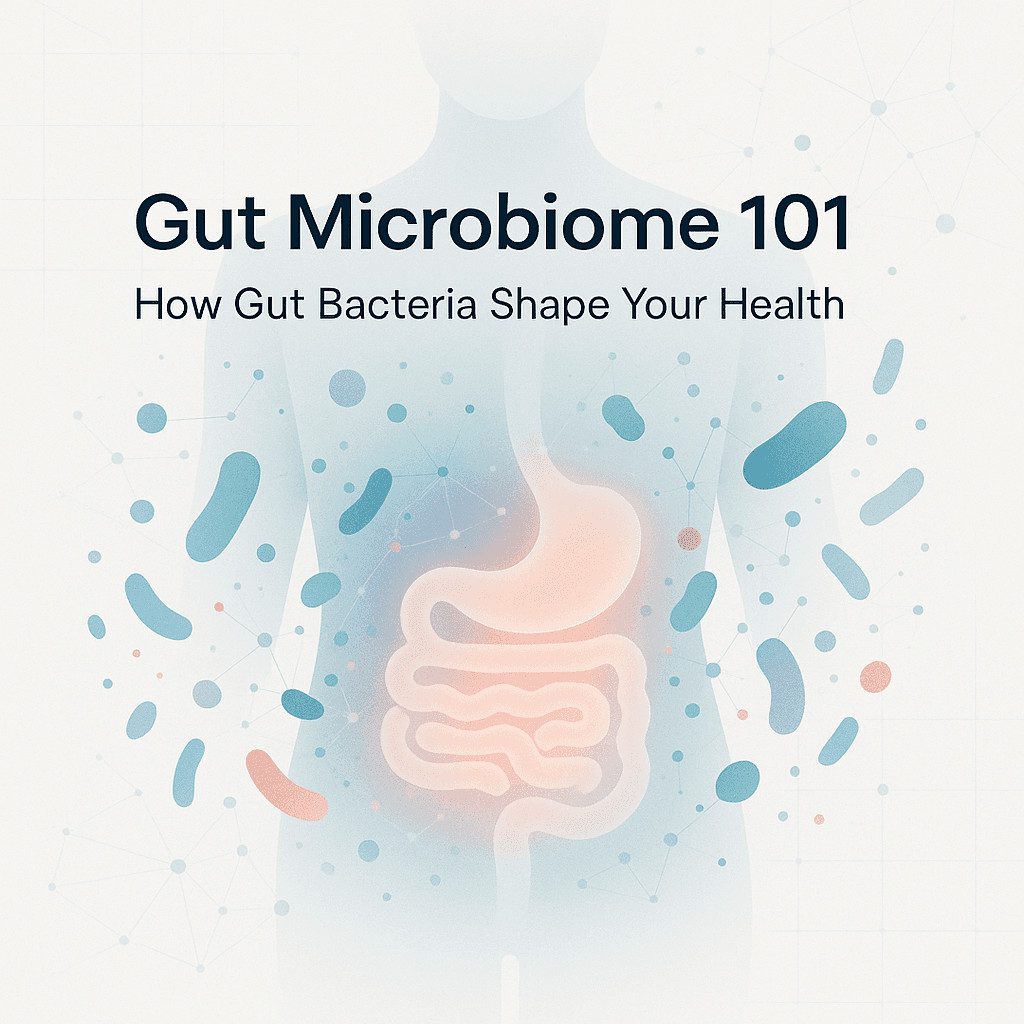
If you have ever had a “gut feeling,” noticed your digestion change during stress, or wondered why one diet works for a friend but not for you, you are already bumping into the gut microbiome.
Your gut is home to a huge ecosystem of bacteria (plus fungi, viruses, and other microbes) that live mostly in your large intestine. This community helps you digest food, train your immune system, make vitamins, protect your gut lining, and even produce chemicals that talk to your brain. When that ecosystem is balanced, you tend to feel better. When it is disrupted, a surprising range of symptoms can show up, from bloating and irregular stools to skin flare-ups, fatigue, and mood changes.
This guide breaks down the gut microbiome in plain English and explains how gut bacteria can influence your health, what can throw them off, and what you can do to support them.
The gut microbiome is the collection of microorganisms living in your digestive tract, along with all the genes they carry. When people say “gut bacteria,” they are usually referring to this larger community.
A few basics that make the microbiome easier to understand:
A common misconception is that a “healthy microbiome” means having specific bacteria. In reality, researchers often focus on function (what your microbes do) and diversity (how many types are present) rather than a single perfect list.
Your gut microbes are not passive passengers. They actively interact with your body every day. Here are the main ways they can influence health.
Humans cannot digest many fibers and resistant starches on our own. Gut bacteria ferment these carbs and produce short-chain fatty acids (SCFAs), mainly:
These SCFAs support gut lining health, influence inflammation, and help regulate metabolism. Butyrate in particular is an important fuel source for cells that line the colon and is often linked to a healthier gut barrier.
In practical terms, this is one reason high-fiber diets are so consistently associated with better long-term health outcomes. You are not only feeding yourself. You are feeding the microbes that make helpful compounds for you.

Your intestines are lined with a thin barrier that decides what gets into your bloodstream and what stays in the gut. A healthy barrier helps:
Gut bacteria support this barrier by producing SCFAs, stimulating mucus production, and competing with harmful microbes for space and resources.
When the gut barrier is irritated or compromised, more inflammatory molecules can cross into circulation. You will often hear this discussed as increased intestinal permeability (sometimes nicknamed “leaky gut”). While the internet often oversimplifies it, the core idea is real: barrier function matters, and microbes influence it.
A large portion of your immune system lives in and around the gut. Your microbiome helps the immune system learn what is “normal” versus what is a true threat.
When the microbiome is diverse and stable, immune signaling tends to be more balanced. When it is disrupted, the immune system can become more reactive, which may contribute to inflammatory conditions in susceptible people.
This is one reason gut health is often linked with:
Gut microbes can influence how you process food and store energy. They can affect:
This does not mean “a bad microbiome causes weight gain” in a simple way. Weight and metabolic health are influenced by many variables. But gut microbes are part of the system that helps determine how your body responds to a given diet.
Your gut and brain are in constant communication through:
This network is often called the gut-brain axis. It helps explain why stress can change digestion quickly and why gut symptoms can affect mood, sleep, and mental clarity.
Important nuance: the microbiome is not “the cause” of anxiety or depression in most cases. But it can influence inflammation, nutrient status, and signaling pathways that affect brain function. Many people notice that when their digestion improves, their energy and mood often improve too.
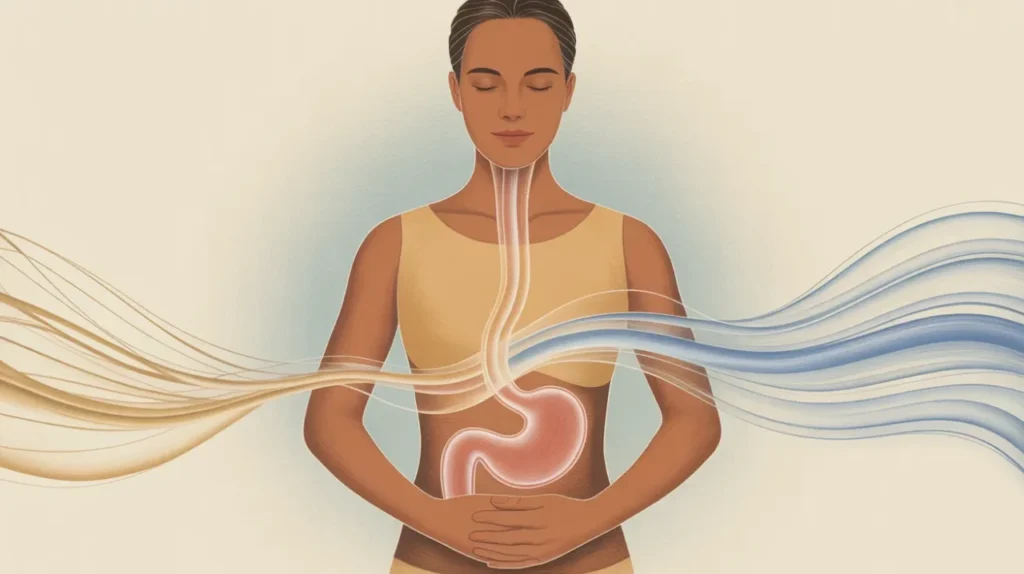
Dysbiosis is a general term for an imbalanced gut ecosystem. That could mean:
There is no single at-home symptom checklist that proves dysbiosis, but common signs that your gut may need support include:
If you have severe symptoms, blood in stool, unexplained weight loss, persistent vomiting, anemia, or symptoms that wake you at night, treat that as a medical issue and get evaluated.
A lot of “gut health” advice sounds like it is all about probiotics. In reality, the biggest drivers tend to be your everyday patterns.
Stress changes gut motility, secretion, and immune signaling. Poor sleep also affects metabolism and inflammation, which can shift the gut environment microbes live in.
Regular activity is associated with more favorable microbiome patterns in many studies, possibly via reduced inflammation, improved motility, and better metabolic health.
Both can irritate the gut lining and influence microbial composition.
A single bad GI infection can shift the gut ecosystem and, in some people, lead to lingering symptoms.
Probiotics are live microorganisms intended to provide a benefit. They can help in specific contexts, but they are not a magic fix, and they are strain-specific.
Situations where probiotics may be helpful include:
Limitations:
Prebiotics are fibers and compounds that selectively feed beneficial microbes. Examples include inulin, fructooligosaccharides (FOS), galactooligosaccharides (GOS), and resistant starch.
Prebiotics can be powerful, but if you have IBS or are very sensitive, large doses can worsen bloating at first. Start low and titrate.
For most people, the most reliable foundation is a high-fiber, high-diversity diet that includes a mix of:
Then consider targeted supplements if needed.
You do not need a perfect diet or a cabinet full of supplements. These five habits cover most of what improves gut health for most people.
Instead of chasing a number, try to rotate plants. A simple target many people use is 20 to 30 different plant foods per week (vegetables, fruits, beans, whole grains, nuts, seeds, herbs, spices count).
Easy wins:
Fermented foods can introduce helpful microbes and metabolites.
Options:
If you are sensitive, start with small servings and see how you feel.

Constipation and irregularity can affect the gut environment.
Helpful basics:
If constipation is persistent, painful, or new, do not treat it only as a “more fiber” problem. Get evaluated.
If you need antibiotics, take them. The goal is not to avoid necessary treatment. It is to avoid unnecessary use, and then support recovery afterward with:
Alcohol reduction can also make a noticeable difference for many people with gut symptoms.
You do not need perfect mindfulness to help your gut. You need repeatable downshifts.
Practical options:
Stress changes digestion fast. Calming your nervous system is a gut intervention.
This is not a detox. It is a gentle way to improve the basics without triggering a rebound.
Day 1 to 2: Add one plant
Day 3: Add legumes
Day 4: Add a fermented food
Day 5: Swap one refined grain
Day 6: Add nuts or seeds
Day 7: Build a “microbiome bowl”
If you have IBS or are very sensitive, go slower. The microbiome likes consistency, not punishment.
Some people benefit, many do not notice a difference, and food and habits matter more long term.
Bloating can come from constipation, food intolerances, swallowing air, hormonal changes, stress, or GI conditions. It is not always a microbiome problem.
Fiber helps most people, but increasing too fast can worsen symptoms. Gradual changes win.
Microbiome testing is improving, but it is not a precise meal plan generator for most people yet. Use results as one data point, not a diagnosis.
A “gut health” approach is great for mild, chronic symptoms. But you should loop in a clinician if you have:
A registered dietitian can also be extremely helpful, especially if you are dealing with IBS, reflux, or food restriction that is getting out of hand.
Your gut microbiome is not a wellness trend. It is a real, living system that helps control digestion, immunity, inflammation, metabolism, and communication with your brain. If your gut feels “off,” it often shows up in places you would not expect.
The simplest path to better gut health is also the most boring, and that is why it works:
If you want one place to start today, make it this: add one extra plant food to your day and repeat it for a week. Your gut bacteria notice.
The gut microbiome is the collection of microorganisms, including bacteria, fungi, viruses, and their genes, living in your digestive tract. It plays a crucial role in digesting food, training your immune system, producing vitamins, protecting your gut lining, and communicating with your brain. A balanced microbiome supports overall health and well-being.
Gut bacteria ferment fibers and resistant starches that humans cannot digest on their own. This fermentation produces short-chain fatty acids (SCFAs) like butyrate, propionate, and acetate, which nourish the gut lining, regulate inflammation, and influence metabolism. These compounds contribute to better digestion and long-term health.
The gut microbiome supports the intestinal barrier—the ‘inner skin’—by producing SCFAs that stimulate mucus production and by competing with harmful microbes for space. A healthy barrier controls what enters the bloodstream from the gut, keeping pathogens out and nutrients in. Disruption can lead to increased intestinal permeability or ‘leaky gut,’ which may cause inflammation.
A large part of the immune system resides near the gut. The microbiome helps train immune cells to distinguish between harmless substances and real threats. A diverse and stable microbiome promotes balanced immune signaling, reducing risks of allergies, sensitivities, autoimmune conditions, and chronic low-grade inflammation.
Yes, gut microbes influence how your body processes food and stores energy by affecting energy extraction from food, insulin sensitivity, blood sugar responses, and lipid metabolism. While they are one factor among many influencing weight and metabolic health, maintaining a healthy microbiome supports better metabolic function.
The gut-brain axis is a communication network linking your gut and brain via the vagus nerve, immune signals, hormones, and microbial metabolites including neurotransmitter-like compounds. This connection explains why stress impacts digestion quickly and why changes in gut health can affect mood, sleep quality, and mental clarity. While not a direct cause of anxiety or depression, a healthy microbiome supports brain function by influencing inflammation and nutrient status.