Physical Address
304 North Cardinal St.
Dorchester Center, MA 02124
Physical Address
304 North Cardinal St.
Dorchester Center, MA 02124

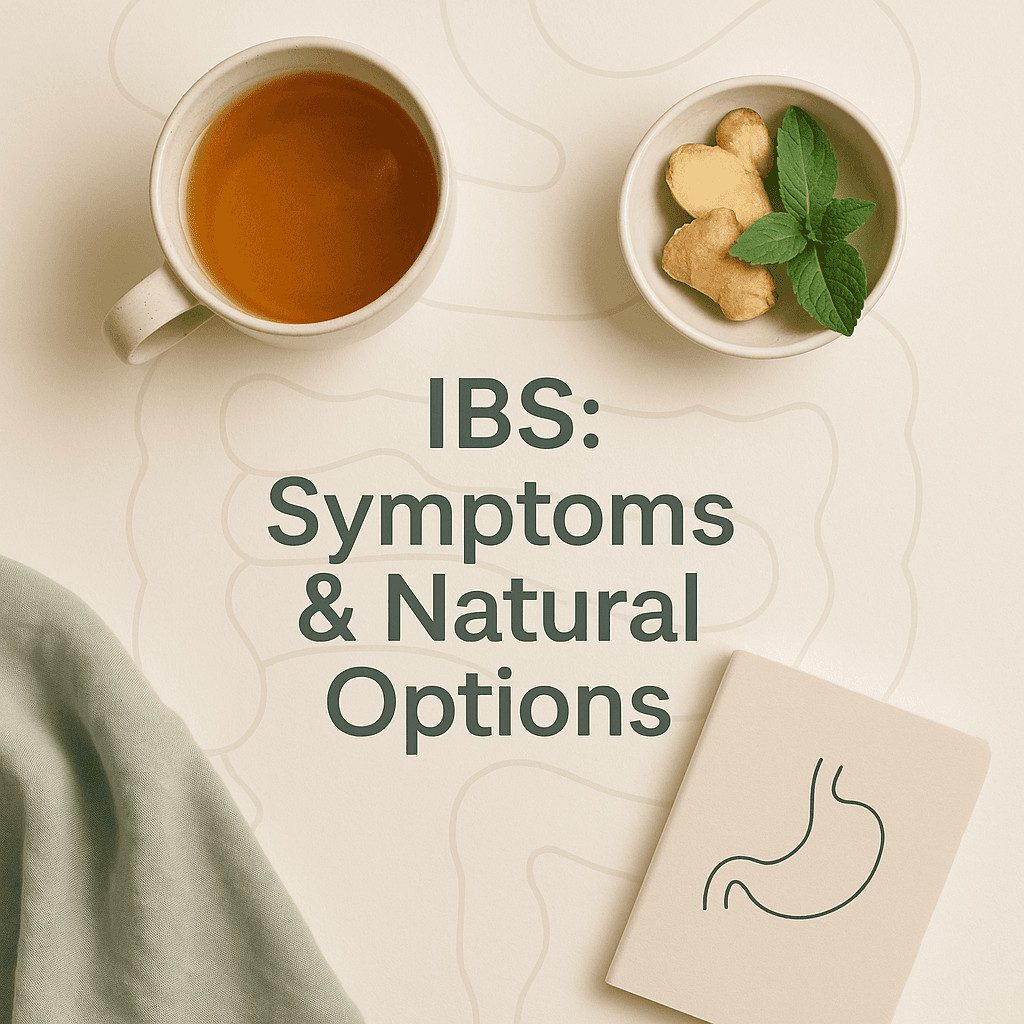
If your stomach seems to have a mind of its own, you’re not alone. Irritable Bowel Syndrome (IBS) is one of the most common gut issues out there, and it can be genuinely disruptive. One day you feel fine, the next you’re dealing with cramps, urgency, bloating, or constipation that makes you feel “stuck” for days.
The tricky part is that IBS doesn’t look the same in everyone. It’s also easy to confuse with other conditions. So in this guide, I’ll walk you through common IBS symptoms, what typically triggers flare-ups, and natural treatment options that are actually practical. Think of this as a friendly, grounded starting point for getting your gut back on your side.
IBS is a functional gut disorder, which means the gut looks normal on standard tests, but it doesn’t function normally. The intestines can become extra sensitive and reactive, and the brain-gut connection can amplify symptoms.
IBS is not the same as inflammatory bowel disease (IBD) like Crohn’s or ulcerative colitis. IBS doesn’t cause intestinal damage in the way those conditions do, but it can still seriously affect quality of life.
Most clinicians describe IBS based on your stool pattern:
IBS symptoms can be mild, moderate, or severe. Some people get daily symptoms. Others flare in waves.
This is one of the hallmark symptoms. Pain is often:
Many people with IBS describe feeling “pregnant-bloated” by afternoon or evening. Bloating can happen even if you’re eating healthy, and it’s often linked to:
Even after you go, you may feel like you still need to go again. This sensation (tenesmus-like feeling) is common in IBS and can be anxiety-provoking.
Some people notice clear or whitish mucus. On its own, mucus can happen in IBS, but if it’s combined with blood, fever, or weight loss, it needs evaluation.
Gurgling, bubbling, and gas that feels trapped are common. Sometimes the gas isn’t excessive, but the gut is more sensitive to it.
IBS often overlaps with other issues, such as:
This doesn’t mean “it’s all in your head.” It means your gut and nervous system are closely linked.
IBS is usually a mix of factors rather than one single cause. Common triggers include:
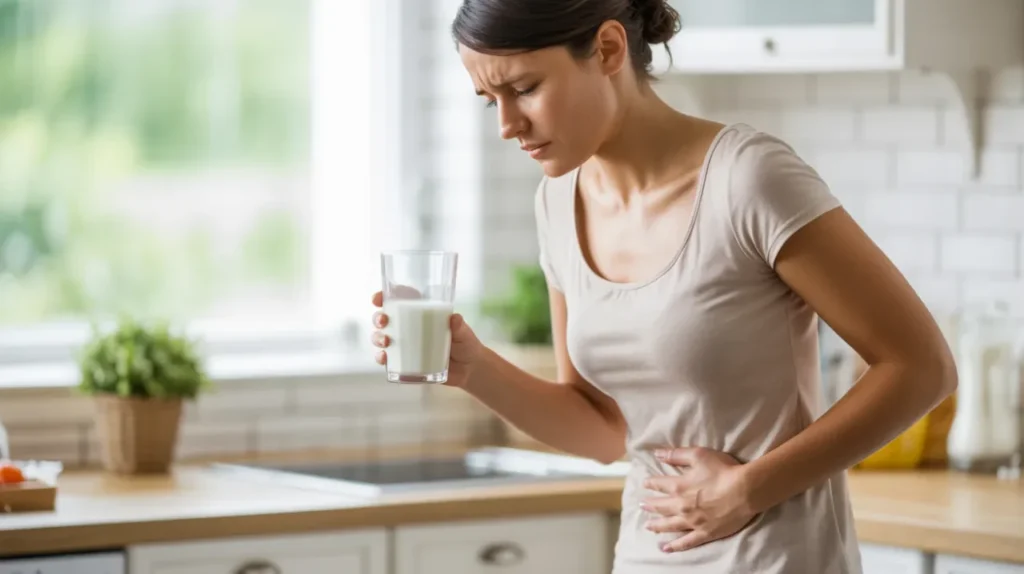
Many people react to certain carbohydrates called FODMAPs (fermentable carbs that can pull water into the gut and feed gas-producing bacteria). Others are sensitive to:
Stress doesn’t “cause” IBS in a simplistic way, but it can absolutely worsen symptoms by changing gut motility, sensitivity, and digestion.
Many women notice IBS symptoms fluctuate around the menstrual cycle.
After food poisoning, travelers’ diarrhea, or a stomach bug, some people develop IBS symptoms that can persist for months or years.
In IBS-C (and IBS-M), slow transit and incomplete evacuation can lead to more fermentation, more bloating, and more discomfort. It becomes a loop.
IBS is common, but you should not assume IBS if you have any of these:
If any of these fit, get checked by a clinician. It’s also reasonable to ask about celiac testing, especially if you’re considering removing gluten.
Let’s talk about natural options that are commonly used and, importantly, realistic to implement. You don’t need to do everything at once. In fact, IBS usually improves more with a step-by-step approach.
For 2 weeks, track:
You’re not looking for perfection. You’re looking for patterns like: “high-stress days + big lunch + coffee = urgency.”
The low FODMAP diet has one of the strongest evidence bases for IBS symptom relief, especially bloating, pain, and diarrhea.
But it’s not meant to be a forever diet. It has three phases:
If you stay overly restrictive long-term, you can end up with a less diverse gut microbiome and more food anxiety. For best results, work with a dietitian if you can.
Common high-FODMAP triggers include:
A helpful shortcut: many people get noticeable relief just by reducing onion/garlic, large servings of wheat, and large portions of fruit.
This sounds too simple, but it matters.
Try for 2 weeks:
Your gut has a built-in “clean-up” wave between meals (the migrating motor complex). Constant snacking can disrupt that rhythm for some people.
Fiber can be helpful or miserable, depending on the type and your IBS subtype.
Often helpful in IBS (especially IBS-C):
Psyllium tends to be better tolerated than rough, insoluble fibers. Start low and go slow. A common approach is starting with a small amount once daily and increasing gradually with adequate water.
Often problematic for IBS symptoms (especially bloating):
If constipation is your main issue, it’s also worth asking: are you constipated because you lack fiber, or because you’re dehydrated, stressed, not moving, or not fully emptying?
With diarrhea, dehydration can sneak up on you. With constipation, low fluid intake can make stools harder.
Aim for consistent fluids through the day. If you’re having frequent loose stools, consider an oral rehydration solution or electrolyte drink with low sugar, especially during flares.
Enteric-coated peppermint oil is a popular natural option for IBS pain and cramping because it helps relax intestinal smooth muscle.
Tips:
Probiotics can help some people and do nothing for others. The biggest mistake is taking five different blends and never knowing what worked.
A practical method:
Some people do well with specific strains, but the “best” probiotic is often individual. If probiotics worsen gas and bloating quickly, stop and reassess.
Even if your IBS started with food, stress often keeps the fire burning.
Evidence-backed options include:
A simple starting point: 5 minutes of slow breathing twice a day, with a longer exhale than inhale. It helps shift your nervous system toward “rest and digest.”
You do not need intense workouts to help IBS.
Even 10 to 15 minutes after meals can reduce bloating for some people.
Poor sleep can increase pain sensitivity and worsen gut symptoms.
Try:
If you only change one lifestyle factor, improving sleep is often the highest return.
Some people labeled “IBS” are actually reacting to:
Before you remove gluten long-term, consider getting tested for celiac disease first (because you need to be eating gluten for testing to be accurate).
Some supplements are commonly used in IBS. Whether they’re appropriate depends on your subtype and symptoms.
If you’re on medications, pregnant, or have other conditions, check with a clinician before starting supplements.
Common helpful strategies:
Be cautious with:
Common helpful strategies:
Be cautious with:
Common helpful strategies:
If you’ve tried basic changes and symptoms persist, it’s reasonable to discuss targeted evaluation. Depending on your symptoms, a clinician might consider:
Also consider a registered dietitian if you want to try low FODMAP without getting stuck in restriction.
If you’re overwhelmed, here’s a gentle plan that helps many people without going extreme:
After two weeks, you’ll usually have clearer data on what’s moving the needle.
In addition to these strategies, recent research highlights the importance of the gut microbiome in managing digestive disorders such as IBS. For instance, findings from the Digestive Disease Week 2025 indicate that understanding and potentially modifying our gut microbiota could play a significant role in alleviating IBS symptoms.
IBS can feel unpredictable, but it’s rarely random. Most people have a handful of triggers and a few foundational habits that make symptoms noticeably better.
Start simple: learn your symptom pattern, reduce the most common food triggers, support your nervous system, and work on regularity with fiber, movement, hydration, and sleep. If red flags show up or symptoms don’t improve, it’s worth getting a proper evaluation so you’re not guessing.
If you want, tell me whether your symptoms are more constipation, diarrhea, or mixed, plus your biggest trigger suspects, and I can help you narrow down a natural plan that fits your situation.
IBS is a functional gut disorder where the intestines look normal on tests but don’t function properly. This leads to symptoms like abdominal pain, bloating, diarrhea, and constipation due to increased gut sensitivity and brain-gut connection issues.
Common IBS symptoms include abdominal pain or cramping often relieved by bowel movements, bloating and visible distension, diarrhea or constipation (or both), urgency and feelings of incomplete evacuation, mucus in stool without blood, excess gas with noisy digestion, and sometimes symptoms outside the gut like fatigue, poor sleep, anxiety, headaches, and pelvic pain.
IBS flare-ups can be triggered by various factors including certain foods (especially FODMAPs like fermentable carbohydrates), fatty or fried foods, large meals, alcohol, caffeine, carbonated drinks, spicy foods, sugar alcohols; stress and nervous system load; hormonal changes especially around menstrual cycles; post-infectious gut infections; and constipation-related issues causing slow transit and fermentation.
Unlike inflammatory bowel diseases (IBD) such as Crohn’s or ulcerative colitis that cause intestinal damage and inflammation visible on tests, IBS does not cause intestinal damage. It is a functional disorder where the gut appears normal but functions abnormally causing symptoms without inflammation.
You should consult a clinician if you experience red flags such as blood in stool (especially dark or maroon), unexplained weight loss, fever or persistent vomiting, new symptoms after age 50, nighttime diarrhea waking you up, anemia, family history of colon cancer/IBD/celiac disease, or severe progressive pain. Celiac testing is also recommended before removing gluten.
Natural treatments for IBS focus on practical lifestyle changes such as identifying and avoiding food triggers (like high-FODMAP foods), managing stress through relaxation techniques, regulating meal sizes and timing, improving sleep quality, and addressing constipation mechanics. These approaches aim to reduce symptom severity without overwhelming lifestyle changes.