Physical Address
304 North Cardinal St.
Dorchester Center, MA 02124
Physical Address
304 North Cardinal St.
Dorchester Center, MA 02124

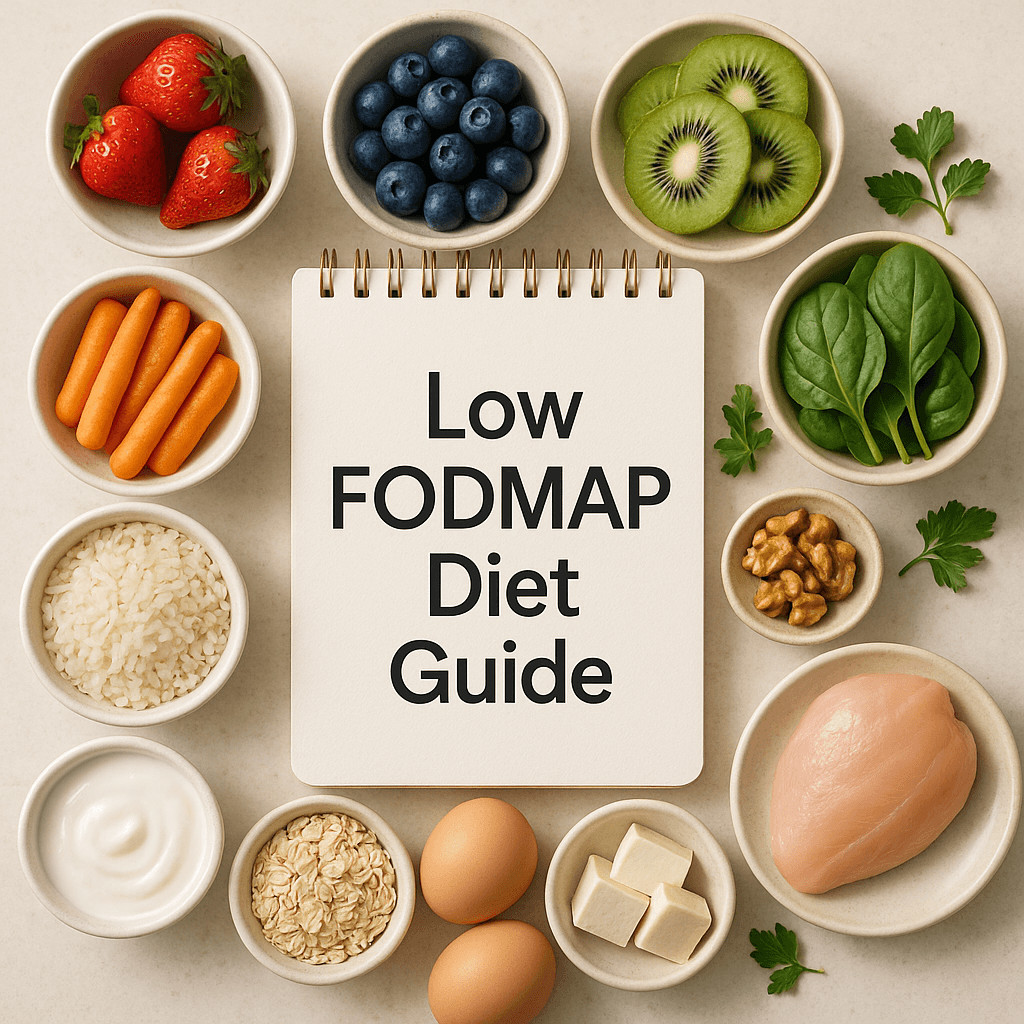
For many people with IBS (Irritable Bowel Syndrome) or sensitive digestion, symptoms are not just about “bad food” or “stress.” Often, it’s about specific carbohydrates that ferment quickly in the gut and pull in water. That’s exactly what the low FODMAP diet is designed to address.
This guide will walk you through what FODMAPs are, who the diet is for, how to do it properly, what to eat (and avoid), and how to reintroduce foods so you don’t stay restricted forever.
FODMAP is an acronym for a group of short-chain carbohydrates that can be poorly absorbed in the small intestine:
When these carbs aren’t absorbed well, they do two main things:
Not everyone reacts to every FODMAP. The goal of the diet is to identify your triggers and expand your diet as much as possible afterward.
The low FODMAP diet is most supported for people with:
It can also help some people with IBD (Crohn’s/ulcerative colitis) in remission who still have IBS-like symptoms, but it is not a treatment for inflammation itself.
Check with a qualified clinician or dietitian first if you:
Low FODMAP can be incredibly helpful, but the elimination phase is not meant to be a long-term lifestyle.
A common mistake is staying in “low FODMAP mode” for months and slowly making your diet smaller and smaller. The real low FODMAP approach has three phases:
You reduce high-FODMAP foods for a limited time, usually 2 to 6 weeks.
The goal is not perfection. The goal is a clear symptom change.
You test FODMAP groups one at a time (like lactose, fructans, polyols), using measured portions.
This is where you learn what you actually react to.
You build your “true” diet, bringing back as many foods as possible while avoiding or limiting only your specific triggers.
This is the phase that supports long-term gut health, variety, and nutrition.
Here’s what you’re really testing during reintroduction:
These are common IBS triggers, especially onion and garlic.
Found in regular milk, soft cheeses, ice cream, yogurt (unless lactose-free).
Some people tolerate lactose fine. Others don’t.
Found in foods where fructose is higher than glucose, like honey, apples, mango, and some sweeteners.
Found in certain fruits and veggies (like stone fruit, mushrooms, cauliflower) and many sugar-free gums and candies.
Polyols can be sneaky and strong triggers.
Instead of memorizing everything, it helps to think in swaps. You’re not “never eating carbs again.” You’re choosing different carbs for a short period.
Below is a practical cheat sheet. (Portion size matters, so if you want precision, use a trusted FODMAP app and a dietitian-guided plan.)
Usually safe:
Watch out for:
Low FODMAP options:
Higher FODMAP examples:
Important note: Low FODMAP is not the same as gluten-free, but wheat is often limited because of fructans.
Common low FODMAP choices:
Common high FODMAP triggers:
Usually better tolerated (in portions):
Often higher FODMAP:
Low FODMAP options:
Higher FODMAP:
Low FODMAP options:
Watch out for:
Better choices:
Often problematic:
If you take nothing else from this guide, remember this: garlic and onion are in everything, and they’re two of the most common FODMAP triggers.
Check labels for: garlic powder, onion powder, “natural flavors,” seasoning blends.
If FODMAPs are a big driver of your symptoms, many people notice changes within 1 to 2 weeks, including:
If nothing improves after 4 to 6 weeks (and you truly followed the plan), it’s worth reassessing. IBS symptoms can also be driven by other factors such as stress, meal timing, fiber type, bile acids, infections, pelvic floor dysfunction, or other intolerances.
Reintroduction is where the low FODMAP diet becomes personalized instead of restrictive.
You keep your baseline diet mostly low FODMAP, and then test one FODMAP group at a time.
A common pattern looks like this:
If symptoms flare, you stop that challenge and log what happened. If symptoms don’t flare, that group may be more tolerant for you.
It’s normal to tolerate some groups and not others. It’s also normal to tolerate a group in small portions but not larger ones.
Breakfast:
Overnight oats made with lactose-free milk, chia seeds, blueberries, and a drizzle of maple syrup.
Lunch:
Rice bowl with grilled chicken, spinach, cucumber, carrots, and a lemon-olive oil dressing. Add pumpkin seeds for crunch.
Snack:
Kiwi and a handful of walnuts.
Dinner:
Salmon, roasted potatoes, and zucchini sautéed in garlic-infused oil with herbs.
This is not a “diet food” plan. It can be hearty, tasty, and filling when you focus on what you can eat.
Elimination is a tool, not a forever diet. Long-term restriction can reduce dietary diversity, which is not ideal for the microbiome.
The big ones: onion/garlic in sauces, seasoning, broths, marinades, snacks, restaurant foods.
You might eat three “low FODMAP” foods in one meal that add up to a high FODMAP load. Portion size and combinations matter.
Some people react more to:
Low FODMAP can still help, but it’s not the only lever.
For most adults, yes, when done correctly and temporarily.
That said, it can get nutritionally imbalanced if you cut too many foods without a plan. The biggest nutrients to watch include:
A dietitian familiar with IBS can make this dramatically easier, especially for vegetarians, vegans, or anyone with a complex medical history.
At SolidHealthinfo, we talk a lot about gut health, and here’s the key point: less bloating is not the only goal.
The long-term goal is:
Your gut microbiome generally benefits from diversity. That’s why the reintroduction and personalization phases are so important. You want to bring back as many tolerated foods as you can.
Consider getting help if:
A qualified clinician can also help rule out things that can mimic IBS, like celiac disease, inflammatory bowel disease, infections, or thyroid issues.
The low FODMAP diet is one of the most practical, evidence-backed tools we have for IBS-type symptoms, but only when it’s done in the right order:
If you approach it like a temporary experiment instead of a permanent restriction, you’ll usually get the best results: fewer symptoms and more freedom with food.
If you want, tell me your main symptoms (bloating, diarrhea, constipation, pain), your typical daily meals, and whether you cook at home or eat out a lot. I can suggest a simple low FODMAP starting plan and easy swaps that fit your routine.
FODMAP stands for Fermentable Oligosaccharides, Disaccharides, Monosaccharides And Polyols. These are short-chain carbohydrates that can be poorly absorbed in the small intestine, leading to water being pulled into the intestines and rapid fermentation by gut bacteria. This process can cause symptoms like bloating, gas, cramps, diarrhea, and urgency, especially in people with IBS or sensitive digestion.
The low FODMAP diet is most supported for individuals with Irritable Bowel Syndrome (IBS) including all subtypes (IBS-D, IBS-C, IBS-M), functional bloating, ongoing gas, cramping or unpredictable stools that have been clinically evaluated. It may also benefit some people with Inflammatory Bowel Disease (IBD) in remission who experience IBS-like symptoms. However, it is not a treatment for inflammation itself.
Yes. People with a history of eating disorders or restrictive eating, those who are underweight or malnourished, pregnant or breastfeeding women struggling with intake, and anyone experiencing red-flag symptoms such as blood in stool, unexplained weight loss, persistent fever, anemia, or symptoms waking them at night should consult a qualified clinician or dietitian before starting the low FODMAP diet.
The low FODMAP diet consists of three phases: 1) Elimination phase (2 to 6 weeks) where high-FODMAP foods are reduced to observe symptom changes; 2) Reintroduction phase where individual FODMAP groups are tested one at a time to identify specific triggers; 3) Personalization phase where you build a long-term diet by reintroducing tolerated foods and avoiding only your personal triggers. This approach prevents unnecessary long-term food restrictions and supports gut health and nutrition.
Oligosaccharides include fructans found in wheat, onion, garlic and many breads/cereals; GOS found in beans, lentils and chickpeas. Disaccharides refer mainly to lactose found in milk products like regular milk, soft cheeses and yogurt. Monosaccharides involve excess fructose found in honey, apples and mangoes. Polyols include sorbitol and mannitol present in stone fruits, mushrooms, cauliflower and many sugar-free gums and candies.
Generally safe protein sources on a low FODMAP diet include eggs; chicken, turkey, beef, pork; fish and shellfish; firm tofu and tempeh; plain canned tuna or salmon. Caution is advised with sausages, marinated meats and deli items that contain garlic or onion powder as well as protein bars containing ingredients like inulin/chicory root or sugar alcohols such as sorbitol or mannitol which can trigger symptoms.