Physical Address
304 North Cardinal St.
Dorchester Center, MA 02124
Physical Address
304 North Cardinal St.
Dorchester Center, MA 02124

People usually mean one of two things:
So, can you actually reset your gut?
Yes and no.
You can calm an irritated digestive system and rebuild better habits that shift your gut environment in a healthier direction. But you can’t magically wipe your microbiome and start over like a factory reset. Your gut is an ecosystem, and ecosystems change through consistent inputs, not one dramatic cleanse.
Let’s break it down in a way that’s practical and actually helpful.
Your gut is more than your stomach. When people talk about gut health, they’re usually referring to:
A realistic “gut reset” is really about these goals:
If someone promises a 3-day gut reset tea that “removes toxins” and fixes everything, you can assume it’s marketing.
The gut is sensitive to routine. A few common gut disruptors are:
Sometimes the issue is functional and temporary. Other times it’s a sign you should get evaluated.
Yes. Your microbiome can shift within days based on diet, sleep, travel, illness, and medications.
But here’s the key: short-term changes aren’t the same as long-term improvement.
A “reset” that’s just restriction, laxatives, or a juice cleanse might change symptoms for a week, but it often comes back because the root cause never changed. And extreme cleanses can sometimes worsen things by:
The gut responds best to steady, boring consistency.
Think of this as a gentle reset. You’re not trying to punish your gut. You’re trying to lower the noise so it can stabilize.
This sounds too simple until you do it for 10 to 14 days.
If your gut is chaotic, your schedule probably is too. This is the easiest “reset” to overlook.
Many people drink “some water” and assume it’s enough. For constipation-prone guts, it often isn’t.
Hydration isn’t a cure-all, but it can make fiber actually work instead of turning into a traffic jam.
If symptoms are flaring, give your gut a short break from common irritants. This is not the same as a long elimination diet.
A simple calm gut menu often includes:
Gentle carbs:
Easy proteins:
Cooked veggies (start small):
Fruits (lower risk for many people):
Fats in moderation:
Temporarily reduce (not necessarily “ban”):
This approach is about reducing symptom triggers while you rebuild consistency.
A lot of “gut reset” advice says: eat more fiber. That’s true, but if you jump from low fiber to very high fiber overnight, you can feel worse.
A gentler approach:
If you’re very constipated, fiber without hydration and movement can backfire. Think “fiber + water + walking” as a trio.
Fermented foods can support microbiome diversity for some people, but they’re not mandatory, and they’re not always tolerated during flares.
Options to try slowly:
If fermented foods make you feel worse, don’t force them. You can support your gut in other ways.
Probiotics are one of the most misunderstood gut tools.
They can be helpful in specific scenarios, like:
But they can also do nothing, or make bloating worse, especially if you introduce them during a flare.
If you want to try one, keep it simple:
Also important: prebiotics (the fibers that feed beneficial bacteria) often matter more long term than probiotic pills.
Stress changes digestion. It affects stomach acid, gut motility, sensitivity, and even how your brain interprets normal gut sensations.
Some realistic options:
This isn’t fluffy wellness talk. It’s basic nervous system support, and it often shows up as better digestion.
It depends on what’s driving the symptoms.
Here’s a realistic timeline:
If someone is selling a “reset in 3 days,” that’s usually a laxative effect, not true gut healing.
This is a gentle framework, not a strict meal plan.
If you’re thinking, “This sounds almost too normal,” that’s kind of the point.
Frequent diarrhea is not detox. It can irritate the gut lining, disrupt electrolytes, and leave you weaker.
Long restriction can reduce fiber variety and make the microbiome less diverse. It also makes it harder to identify what’s truly bothering you.
Some people do better with less lactose or certain wheat products. Others don’t. The best approach is structured experimentation, not permanent fear.
Supplements can support, but they can’t replace basics like fiber, sleep, and regular meals.
A surprising amount of “bloating” is actually backed-up stool and slowed motility. If you’re not emptying well, everything else gets harder.
Get medical advice if you have any of these:
Also, if you suspect celiac disease, don’t remove gluten before testing, since it can affect results.
You can’t erase your gut and start over.
But you absolutely can stabilize your digestion, reduce symptoms, and shift your microbiome in a healthier direction by doing the unsexy stuff consistently: regular meals, better sleep, more plant variety, smart fiber, hydration, movement, and less stress around food.
If you want one sentence to remember, it’s this:
Your gut doesn’t need a dramatic reset. It needs a steady rhythm.
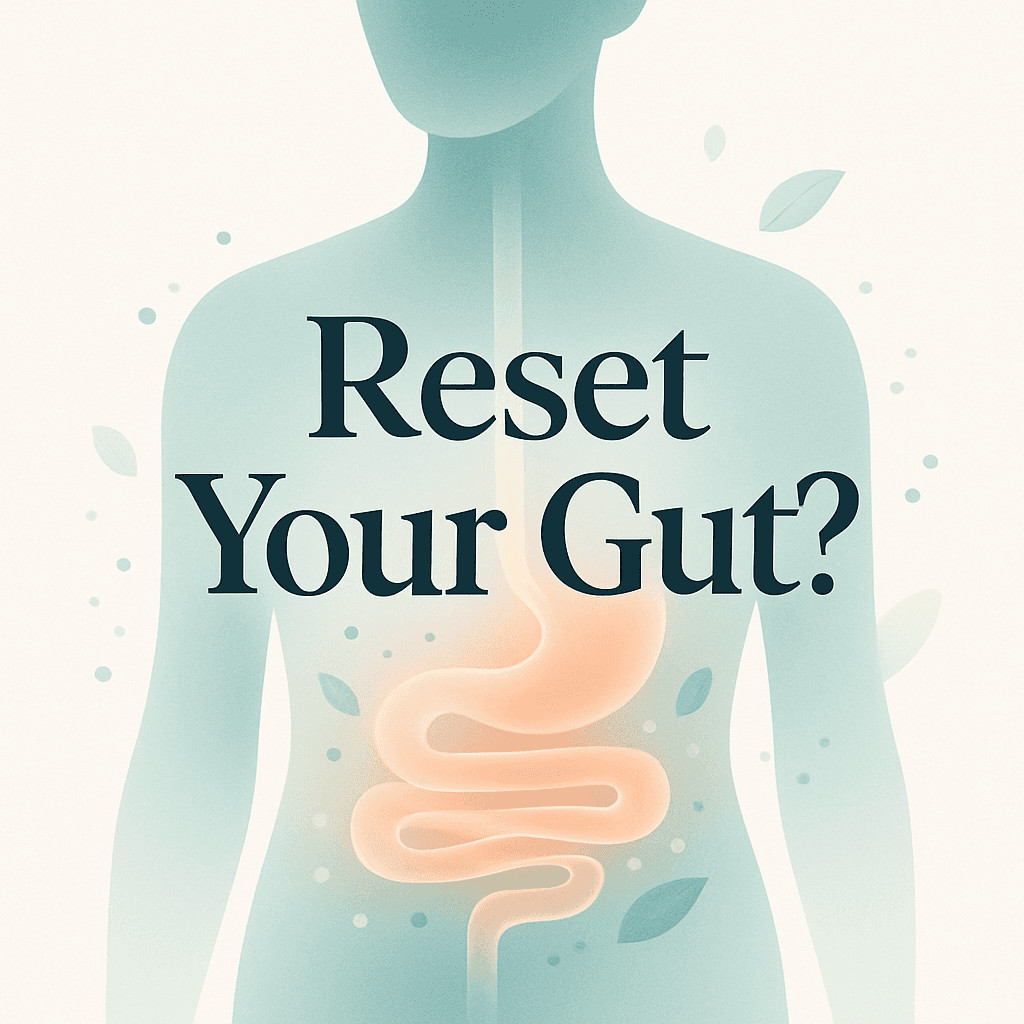
Resetting your gut isn’t about wiping your microbiome clean like a factory reset. It means calming irritation and inflammation, improving digestion and regularity, supporting a diverse and resilient microbiome, identifying food triggers without extreme restrictions, and building predictable routines that help your gut function better.
Your gut is sensitive to disruptions in routine. Common factors that can make your gut feel off include antibiotics, stomach bugs, chronic stress, poor sleep, alcohol consumption, ultra-processed foods with low fiber, dehydration, sudden diet changes, and constipation cycles. These can temporarily disturb your digestive system without indicating a serious condition.
While your microbiome can shift within days due to diet or medications, short-term changes from cleanses or restrictive diets often don’t lead to lasting improvement. Extreme cleanses may lower beneficial fiber intake, disrupt electrolytes, increase anxiety around eating, and cause rebound bloating. Long-term gut health responds best to steady, consistent habits rather than dramatic resets.
Start by establishing regular meal times (2-3 consistent meals daily), taking short walks after meals to aid digestion, and prioritizing quality sleep. Ensure adequate hydration aiming for pale yellow urine throughout the day and consider electrolytes if constipated or recovering from illness. Use a calm gut menu for 3-7 days focusing on gentle carbs (rice, oats), easy proteins (eggs, fish), cooked veggies (carrots, spinach), low-risk fruits (bananas, berries), moderate healthy fats (olive oil), while temporarily reducing irritants like alcohol and spicy foods.
No. A realistic gut reset involves temporarily reducing—not necessarily banning—common irritants such as alcohol, very spicy meals, deep-fried foods, large raw salads or cruciferous vegetables if they cause bloating, sugar alcohols like sorbitol or xylitol, and carbonated drinks. The goal is to give your gut a break without falling into extreme restrictions that are hard to maintain.
Hydration is crucial for preventing constipation and supporting digestion. Many people underestimate their water needs; aim for pale yellow urine most of the day as an indicator of good hydration. If you’re constipated, have had loose stools, excessive sweating, or are recovering from a stomach bug, supplementing with electrolytes for a few days can help balance fluids and improve fiber’s effectiveness in promoting regular bowel movements.