Physical Address
304 North Cardinal St.
Dorchester Center, MA 02124
Physical Address
304 North Cardinal St.
Dorchester Center, MA 02124

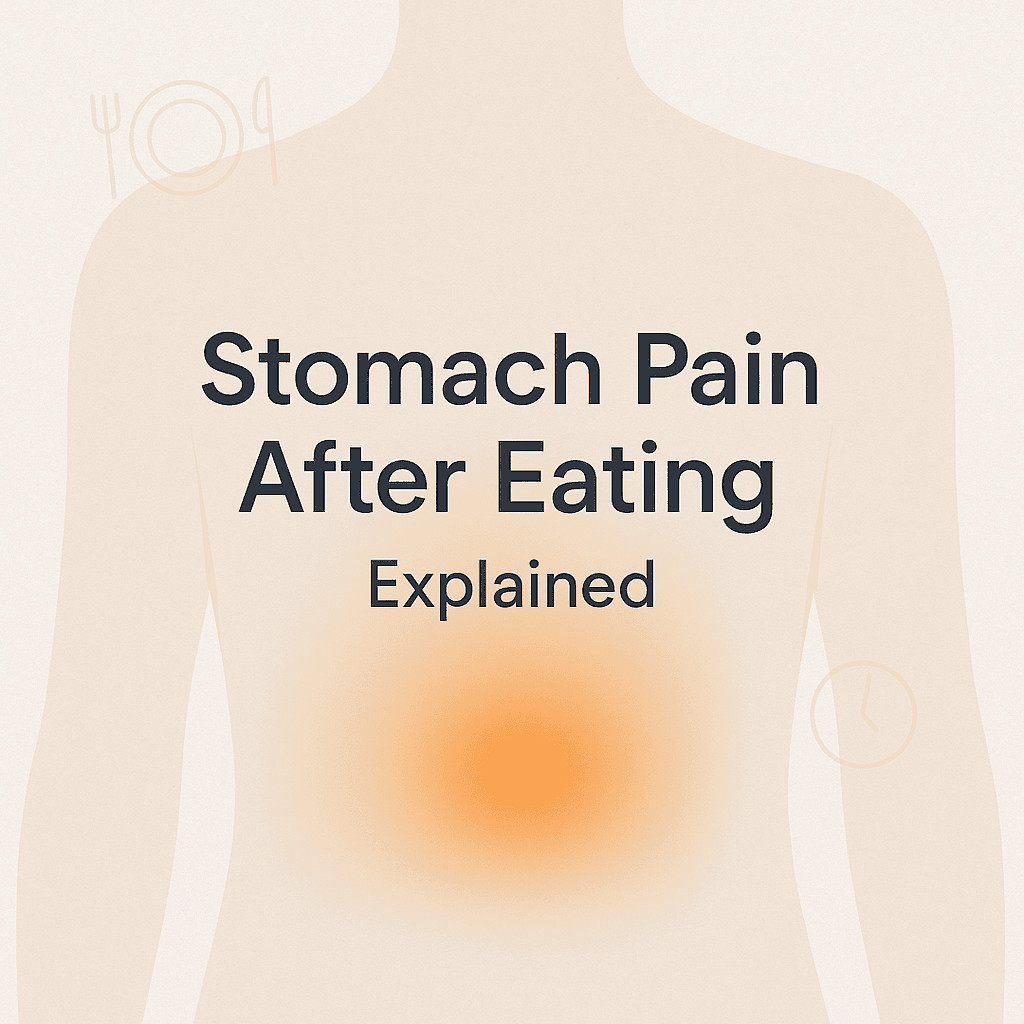
Sometimes it’s harmless and short-lived, like eating too fast or having a heavy, greasy meal. Other times, it’s your gut’s way of telling you something isn’t working well, like acid reflux, a food intolerance, constipation, gallbladder issues, or even an ulcer.
The good news is this: the details matter a lot. Where the pain is, how long it lasts, what foods trigger it, and whether you have other symptoms can usually narrow things down quickly.
Let’s break it all down in a simple, practical way.
After you eat, your digestive system shifts into “work mode”:
If any part of that process is irritated, inflamed, blocked, overly sensitive, or struggling to digest certain foods, you can feel pain, cramping, burning, pressure, or bloating soon after meals.
Location is one of the most helpful clues.
This is the area between your ribs, centered. Common causes include:
This can point toward:
Possible causes:
Often linked to:
This can be digestive, but if it’s sharp and worsening, appendicitis needs to be considered, especially with fever or vomiting.
This is the classic “my stomach feels off after meals” problem. You may feel:
Common triggers:
What helps:
If it’s frequent, persistent, or wakes you up at night, don’t just label it as “indigestion” and move on. It may overlap with GERD, gastritis, or an ulcer.
Pain can feel like burning behind the breastbone or upper stomach, often worse:
Other clues:
What helps:
Gastritis is inflammation or irritation of the stomach lining. Pain is usually upper central and can feel like burning or gnawing.
Common causes:
Clues it might be gastritis:
Important note: if gastritis symptoms are frequent, testing for H. pylori is often worth discussing with your doctor.
Ulcers are sores in the lining of the stomach or upper small intestine.
Pain patterns can vary, but common experiences include:
Common causes:
Red flags with ulcers:
Those need urgent medical evaluation.
If your pain tends to show up after rich, fatty meals and sits in the upper right abdomen (sometimes radiating to the right shoulder or back), think gallbladder.
Typical gallbladder pain (“biliary colic”) often:
Gallstones are common and treatable, but complications can be serious. If you have fever, yellowing of the skin/eyes, or severe persistent pain, seek urgent care.
Food intolerance is different from a true food allergy. It usually causes gut symptoms, not hives or throat swelling.
Common patterns:
Frequent culprits:
What helps:
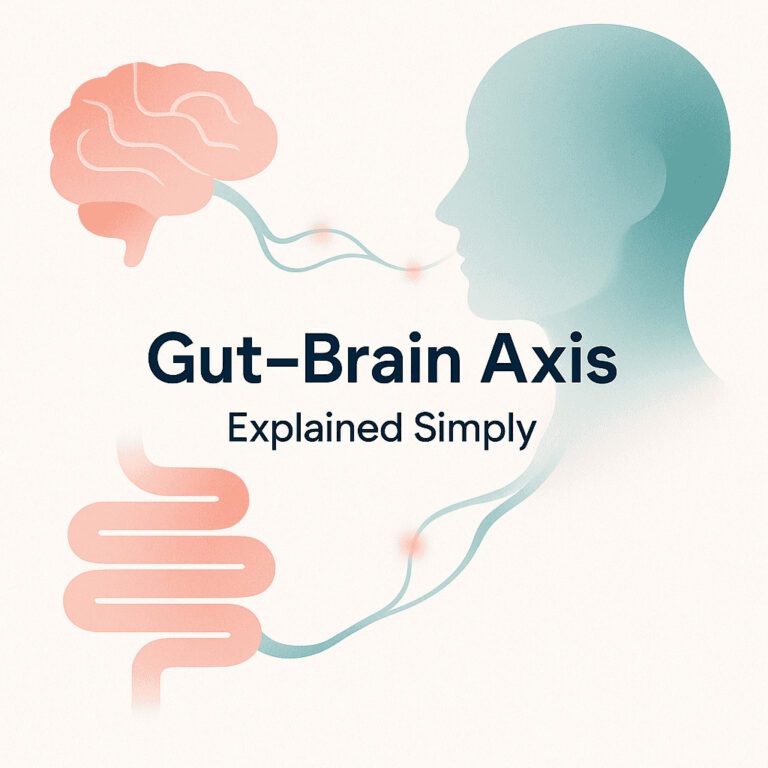
IBS is common, real, and often misunderstood. It’s a gut brain interaction problem where the intestines become more sensitive and motility becomes irregular.
After eating, the “gastrocolic reflex” can be stronger in IBS, triggering pain, urgency, or cramping.
Clues:
IBS can feel intense, but it shouldn’t cause red flag signs like blood in stool, persistent fever, or unexplained weight loss.
If stool is moving slowly, meals can trigger cramping as your gut tries to push things along.
Clues:
What helps:
If pain after eating comes with:
Then a viral or bacterial gastroenteritis may be the cause. Usually it improves in a couple of days, but dehydration risk is real. Severe pain, blood in stool, or symptoms lasting more than a few days should be assessed.
These are not the most common explanations, but they matter:
If symptoms are persistent, progressive, or severe, it’s worth getting checked rather than guessing.
Pain within minutes of eating
Pain 30 to 90 minutes after eating
Pain several hours after eating
Pain that happens after almost every meal
If you’re not having red flag symptoms (we’ll cover those next), these steps are often a good place to start for 7 to 14 days.
Go smaller portions, less fat, less spice, fewer acidic foods. This reduces workload on the stomach and gallbladder.
Aim for:
If you’re unsure, start by reducing:
Pick one likely trigger and test it cleanly:
To support regular bowel movements, consider the following:
If you’re frequently using NSAIDs (like ibuprofen), that can irritate the stomach lining. Ask a clinician about safer options for you.
Doctors may recommend tests depending on your symptoms, like H. pylori testing, blood work, stool tests, ultrasound for gallbladder, or an endoscopy in certain cases.
This isn’t a diagnosis, but it’s a useful direction.
At SolidHealthinfo, we talk a lot about gut health because it shapes how your digestion behaves day to day.
Two people can eat the same meal and have totally different outcomes. That often comes down to things like:
That’s why the best approach is usually a mix of smart symptom tracking, gentle food adjustments, and medical evaluation when needed.
Stomach pain after eating is common, but it’s not something you have to just “live with.”
Start by noticing your pattern: location, timing, specific trigger foods, and what the pain feels like. For many people, a short period of simpler meals, slower eating, constipation support, and a targeted intolerance trial can make a big difference.
And if you’re seeing red flags like severe pain, bleeding, fever, vomiting, jaundice, or unexplained weight loss, get medical care promptly. That’s where early evaluation really matters.
If you want, share your pain location, timing (how soon after eating), and top trigger foods, and I can help you narrow down the most likely causes to discuss with your doctor.
Stomach pain after eating can be caused by various factors such as indigestion, acid reflux (GERD), gastritis, peptic ulcers, gallbladder issues, food intolerances, constipation, or even more serious conditions like appendicitis. The digestive system’s response to food intake—including acid production, enzyme release, and intestinal motility—can sometimes lead to discomfort if any part is irritated or inflamed.
The location of stomach pain is a crucial clue for diagnosis. Pain in the upper middle abdomen often relates to acid reflux or ulcers; upper right abdomen pain may indicate gallbladder or liver issues; upper left abdomen pain can be due to gastritis or pancreatic irritation; pain around the belly button or lower abdomen might be from gas, constipation, IBS, or food intolerance; and sharp pain low on the right side could suggest appendicitis.
Indigestion typically presents as feeling full quickly, heaviness or discomfort in the upper abdomen, mild nausea, and burping. Common triggers include large meals, fatty or spicy foods, eating too fast, stress or anxiety, and consumption of alcohol, coffee, or carbonated drinks. Managing it involves smaller meals, eating slowly with thorough chewing, avoiding late heavy dinners, and limiting greasy or spicy foods temporarily.
Acid reflux usually causes a burning sensation behind the breastbone or upper stomach that worsens after large meals, lying down soon after eating, or consuming trigger foods like coffee, chocolate, peppermint, tomatoes, citrus fruits, alcohol, and fried foods. Additional signs include sour taste in the mouth, regurgitation of food or acid, chronic cough or throat clearing, and hoarseness. Lifestyle changes like not lying down for 2-3 hours post-meal and elevating the head during sleep can help manage symptoms.
Gastritis often causes burning or gnawing upper central abdominal pain soon after eating and may improve temporarily with bland foods but worsen with coffee, alcohol, and spicy foods. Peptic ulcers cause burning pain that may come and go and relate to meals either worsening immediately after eating or a few hours later. Red flags include black tarry stools, vomiting blood or material resembling coffee grounds, unexplained weight loss, severe worsening pain—all requiring urgent medical evaluation.
Gallbladder issues typically cause pain in the upper right abdomen starting 30 to 90 minutes after consuming rich fatty meals. The pain may radiate to the right shoulder or back. This type of discomfort is often referred to as biliary colic. If you experience these symptoms frequently after fatty foods intake, it’s advisable to consult a healthcare provider for evaluation.