Physical Address
304 North Cardinal St.
Dorchester Center, MA 02124
Physical Address
304 North Cardinal St.
Dorchester Center, MA 02124

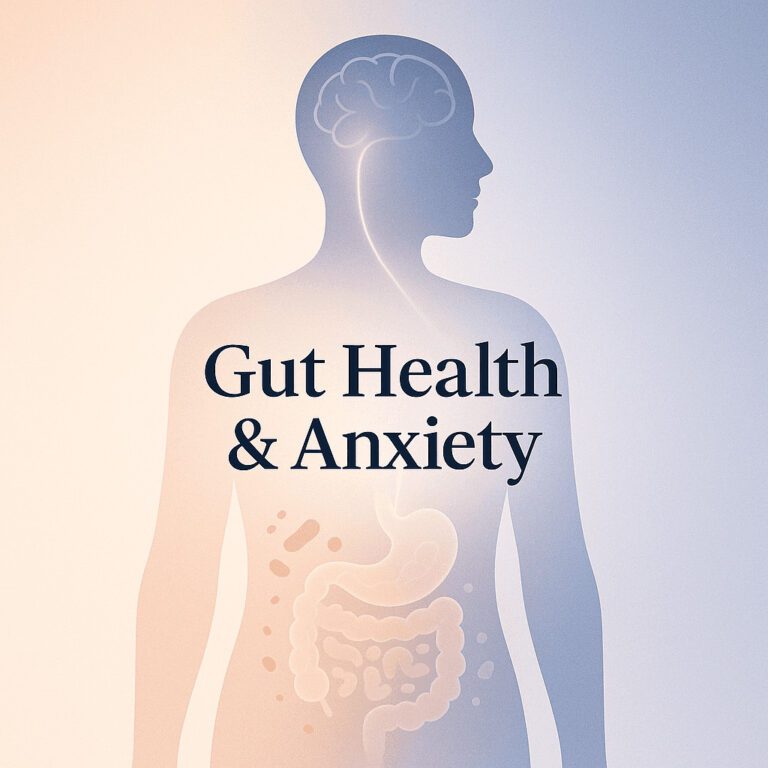
When people say “gut health,” they usually mean something pretty simple.
Can I digest food without feeling gross after? Can I go to the bathroom regularly without straining or sprinting? Do I feel mostly comfortable in my stomach day to day?
That’s gut health in plain language. Digestion, comfort, and a calm, steady rhythm.
But there’s another layer to it that’s honestly the bigger story. Your microbiome. Sometimes people call it “biome health,” which sounds like a sci-fi thing, but it’s just the community of bacteria (and other tiny organisms) living in your intestines. Ideally, it’s a balanced ecosystem with lots of different helpful microbes doing their jobs.
And why should you care, practically speaking?
Because gut health is tied to a lot of the stuff people complain about every week:
I’m not saying your gut is the only cause of all that. But when digestion is struggling and your microbiome is underfed or out of balance, those issues can get louder.
Also, quick expectation setting. Food is the foundation. Supplements can be useful, sure, but they do not replace a gut-friendly diet. If the daily diet is mostly low fiber and ultra processed, the best probiotic on earth is basically trying to garden in concrete.
For those looking for more detailed information on how to improve their gut health through dietary changes and other lifestyle adjustments, resources like Solid Health Info can provide valuable insights.
One more quick note, not alarmist. If you have persistent GI symptoms, severe pain, unexplained weight loss, blood in stool, or symptoms that keep escalating, it’s worth talking to a clinician. This article is for everyday gut support, not self-diagnosing.
A gut friendly diet is not a cleanse. It’s not living on steamed vegetables and sadness.
It’s mostly three levers, and once you understand them, the whole topic gets less confusing.
Fiber is the main fuel source for a lot of beneficial gut microbes. They ferment certain fibers and produce compounds (like short chain fatty acids) that support your gut lining and overall balance.
And yes, fiber also helps with regularity. But the bigger win is that it feeds the ecosystem.
Fermented foods like yogurt, kefir, kimchi, sauerkraut, and miso can introduce live cultures. Not all fermented foods have live microbes (more on that later), but when they do, they’re basically a daily nudge toward more microbial diversity.
Polyphenols are plant compounds found in berries, cocoa, olives, green tea, and lots of colorful fruits and vegetables. You don’t need to memorize the chemistry. Just know this.
Polyphenol rich foods tend to support a more diverse microbiome. Your gut bugs like them, and some of the “good” groups tend to thrive when polyphenols show up regularly.
You want both. Probiotics can help introduce helpful strains. Prebiotics help them actually stick around and do something useful.
Different plants feed different microbes. So the “best gut diet” is usually the one with a lot of rotating plant foods over time.
Not one magic food. Not one perfect smoothie.
Just variety. Week after week.
You don’t have to be perfect, but these are common reasons people feel stuck:
The food angle here is simple. If most meals are packaged and low fiber, the microbiome gets underfed.
If you’re starting from scratch, go gently.
A simple daily goal:
Increase gradually. Especially fiber and fermented foods. Otherwise you do the classic thing where you go from 10g fiber a day to 35g overnight and then blame “healthy food” for the chaos.
Before the list. The goal is consistency over perfection. Pick a few, repeat them, then rotate over time so your gut gets exposed to different fibers and cultures.
Also, tolerance is real. If fermented foods or high fiber foods are new to you, start small. A tablespoon of kimchi is still a win. Half a cup of beans is still a win. You can scale up.
Alright. Here are the top 10.
Why it helps: Yogurt with live cultures can provide probiotic strains (often Lactobacillus and friends). For some people it supports digestion and overall gut comfort, especially when it replaces a more sugary snack.
Best forms to buy:
Simple ways to eat it:
Watch out: Flavored yogurts can be sugar bombs. Also, some people just do not tolerate dairy well, even if it’s “healthy.” If yogurt consistently makes you feel worse, don’t force it.
Why it helps: Kefir tends to contain a wider variety of live cultures than many yogurts. It’s also an easy daily habit because you can drink it in 10 seconds, which is honestly half the battle.
Best forms to buy:
Simple ways to use it:
Watch out: If you’re prone to bloating, start with a small amount. Like a few ounces. Fermented foods can hit fast when you’re not used to them.
Why it helps: Sauerkraut is fermented cabbage, so you get a combo of fiber plus potentially live microbes. It adds diversity in a way plain cabbage doesn’t.
Best forms to buy:
Simple ways to eat it:
Watch out: Sodium. If you’re watching salt, keep portions smaller or rinse lightly. Also, if you buy the shelf stable kind, you’ll still get cabbage benefits, but you may not get much probiotic benefit.
Why it helps: Kimchi is fermented vegetables, usually napa cabbage and radish, plus spices. Compared to sauerkraut, it brings different microbes and different plant compounds. More variety, basically.
Best forms to buy:
Simple ways to eat it:
Watch out: Spice and sodium. If you’re sensitive, start with a tablespoon. You don’t need a bowl of it on day one.
Why it helps: Fermented soy foods can support gut microbial variety. Miso is also a sneaky tool for eating better because it makes simple food taste good without needing heavy sauces.
How to use miso:
Tempeh serving idea:
Watch out: Heat can reduce live cultures in miso, and miso is salty. Still worth using, just don’t treat it like a low sodium food.
Why it helps: Oats contain beta glucan, a fiber that acts like a prebiotic for many people and supports regularity. Overnight oats can also increase resistant starch a bit, which gut microbes love.
Simple ways to eat them:
Add on strategy: Pair oats with berries and nuts. That gives you fiber plus polyphenols plus healthy fats, and it tends to be easier on blood sugar too.
Watch out: Increase fiber gradually. Also choose minimally processed oats when possible (rolled oats, steel cut oats). The instant packets often come with added sugar and weird extras.
Why they help: Legumes are packed with prebiotic fibers and resistant starch. They feed beneficial microbes and they keep you full, which can naturally reduce snacking on ultra processed stuff.
Simple ways to eat them:
Reduce gas and bloating tips:
Watch out: If you have a very sensitive gut, you may need a slower ramp up and more attention to preparation methods. Don’t write off beans forever just because you overdid it once.
Why they help: Garlic and onions contain fructans, which are a type of prebiotic fiber that can feed beneficial microbes.
They’re also the base of a lot of delicious food, which makes them an easy habit. You’re not “trying to be healthy.” You’re just cooking.
Simple ways to eat them:
Gentler options:
Watch out: Alliums can trigger symptoms for some people with sensitive digestion. This is one of those personalization foods. Adjust portions, don’t force raw garlic if it ruins your day.
Why they help: Berries combine fiber with polyphenols, which is basically the gut health dream team. They tend to support microbial diversity and are an easy swap for sugary desserts.
Simple ways to eat them:
Watch out: Dried berries often come with added sugar. Also, if you’re very sensitive to fructose, keep portions reasonable and see what your gut does.
Why it helps: Resistant starch acts like prebiotic fuel. It resists digestion in the small intestine and reaches the large intestine where microbes can ferment it. Many people notice better regularity when resistant starch shows up consistently.
Simple ways to eat it:
Practical tip: Cook, cool, then reheat. That pattern can preserve some resistant starch. You don’t have to eat everything cold forever, thankfully.
Watch out: Ramp up slowly if you bloat easily. Resistant starch is helpful, but your gut needs time to adapt. Portion size matters here too.
If you try to eat all 10 foods every day, you will burn out. Or you will accidentally turn your life into a full time digestive experiment.
Instead, use a plug and play structure.
Each week, aim for:
Resistant starch can be one of your fiber staples, or just a bonus you rotate in.
Breakfast template
Lunch template
Dinner template
And if you want the lowest effort snack option. Kefir + frozen berries blended in 60 seconds. Done.
A gentle ramp works better than a heroic one.
Also, fiber needs support:
You don’t need a spreadsheet. Just notice:
If something clearly makes you feel worse every time, adjust. Gut health is not about suffering through “healthy” foods.
Probiotic foods are the daily foundation. They’re also slower, in a good way. They come with nutrients, and they push you toward better overall eating.
Supplements are a tool. Sometimes helpful. Sometimes unnecessary.
People often consider probiotics when:
Not all probiotics are the same. A few things that matter more than the front label hype:
No medical claims here. Just the basic distinction.
You’ll also see people searching for products like Megasporebiotic probiotic. If you’re considering something like that, it’s smart to evaluate fit with a qualified professional, especially if you have ongoing symptoms. And again, diet first. Supplements work best when you’re already feeding the ecosystem.
One more expectation check. Probiotics are not instant. Sometimes people feel better with consistent prebiotic fiber and fermented foods than with a new pill every month.
Most people do not need to memorize bacterial species to have a healthy gut. In real life, that usually just turns into anxiety and expensive supplements.
Better goal: feed a diverse ecosystem consistently.
That said, here are a few commonly discussed beneficial groups, as examples:
How food supports them, in a simple mapping:
The big idea is still this. Diversity comes from variety over time, not one superfood you force yourself to eat forever.
If you want to keep this ridiculously simple, think in categories. Fermented foods (yogurt, kefir, sauerkraut, kimchi, miso). Fiber staples (oats, legumes, garlic and onions). Polyphenols (berries). Resistant starch (slightly green bananas, cooked and cooled potatoes or rice). That combination is basically a gut friendly diet in real life terms.
Try a 7 day starter challenge:
Keep portions small at first, especially if you’re coming from a low fiber diet. Then build.
Consistency beats intensity here. And personalization matters. If symptoms worsen or persist, get medical advice instead of trying to out stubborn your gut.
Clear takeaway. Build your plate to feed good bacteria regularly, and do it in a way you can actually stick to.
Gut health refers to how well your digestive system functions, including comfortable digestion, regular bathroom habits, and a calm stomach. It’s important because a healthy gut microbiome—a balanced community of beneficial bacteria—supports digestion, boosts energy, helps prevent frequent illnesses, and even influences mood.
The gut microbiome is the community of bacteria and other tiny organisms living in your intestines. A balanced microbiome supports digestion, nutrient absorption, immune function, and can impact issues like bloating, energy levels, food sensitivities, and mood stability.
A gut-friendly diet focuses on three main levers: fiber-rich foods that feed good bacteria; fermented foods like yogurt and kimchi that add helpful microbes; and polyphenol-rich foods such as berries and green tea that support microbial diversity. Variety in plant-based foods over time is key for a healthy microbiome.
Probiotics are live beneficial microbes you consume through foods like yogurt, kefir, or kimchi. Prebiotics are fibers found in foods like oats, beans, garlic, and onions that feed the microbes already living in your gut. Both are essential: probiotics introduce helpful strains while prebiotics help them thrive.
Common disruptors include diets high in ultra-processed foods low in fiber and polyphenols, excessive alcohol intake which harms the gut lining and microbiome, chronic stress, and poor sleep—all of which can negatively affect digestion and microbial balance.
Begin gently by adding one fiber-rich food (like oats or berries) and one fermented food (like yogurt or sauerkraut) daily. Increase these gradually to avoid digestive upset. Consistency over time with varied plant foods supports a balanced microbiome without overwhelming your system.